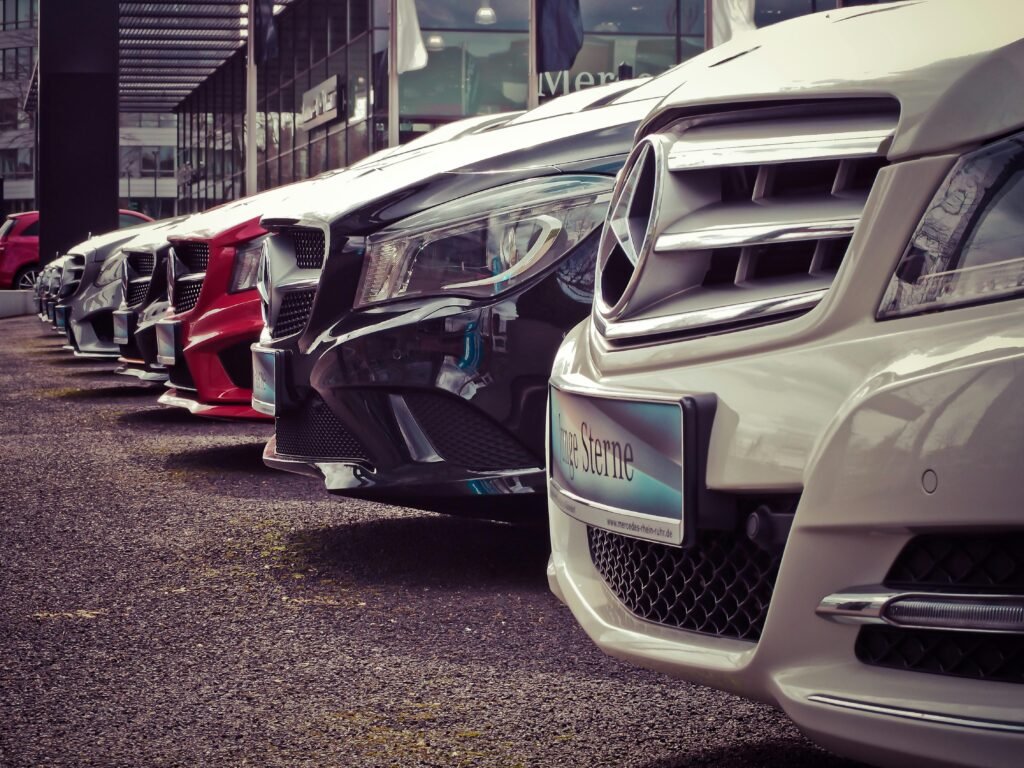
 Why Renting a Car in Iceland is a Must
 Why Renting a Car in Iceland is a Must
Freedom to Explore at Your Own Pace
Renting a car in Iceland is the ultimate way to embrace the spirit of adventure. Unlike guided tours or public transport, having your own vehicle means you’re in complete control of your itinerary. Want to spend an extra hour marveling at a waterfall or take a detour to a hidden gem? No problem. This flexibility is especially valuable for solo travelers, digital nomads, and young couples who crave spontaneity and freedom. Plus, it’s perfect for those who love to photograph landscapes or simply soak in the breathtaking views at their own rhythm.
Access to Remote and Lesser-Known Destinations
Iceland’s true magic often lies off the beaten path. With a rental car, you can escape the crowds and discover hidden waterfalls, secluded hot springs, and untouched landscapes that are inaccessible by public transport. For adventurers and ecotourists, this is a game-changer. Imagine stumbling upon a quiet black sand beach or a geothermal area that feels like it’s yours alone. These experiences are what make Iceland unforgettable, and a car is your ticket to finding them.
Cost-Effective for Groups or Families
Traveling with family or friends? Renting a car can be surprisingly budget-friendly. Splitting the cost of a rental and fuel among a group often works out cheaper than purchasing multiple bus or tour tickets. Plus, you’ll save on food costs by carrying snacks and picnic supplies, especially handy for families with children. It’s also a practical way to manage luggage, making it easier to explore without the hassle of hauling bags around. For budget travelers, this is a smart way to stretch your money while maximizing your experience.
Choosing the Right Rental Car
Renting a car in Iceland is one of the best ways to explore its breathtaking landscapes at your own pace. But with so many options, how do you pick the right one? Let’s break it down to make your decision easier and your journey smoother.
Deciding Between 2WD and 4WD
When choosing a rental car, the first decision is whether to go for a 2WD (two-wheel drive) or a 4WD (four-wheel drive). Here’s what you need to know:
- 2WD cars are perfect for summer trips and well-maintained roads. They’re budget-friendly and ideal for the Ring Road or popular tourist spots.
- 4WD vehicles are essential for winter travel or venturing into the highlands. They handle snow, ice, and rough terrains better, ensuring safety and flexibility.
If you’re planning to stick to main routes and travel in summer, a 2WD will do. But for off-the-beaten-path adventures or winter exploration, invest in a 4WD.
Considering Seasonal Needs (Summer vs. Winter)
Iceland’s weather is unpredictable, and your car choice should reflect the season:
- Summer (May to September): Roads are mostly clear, and a 2WD is sufficient. If you’re driving in the highlands, a 4WD is a must.
- Winter (October to April): Snow, ice, and harsh conditions make a 4WD the safer choice. Always check if your rental includes winter tires.
Pro tip: Book early, especially for winter, as 4WD vehicles are in high demand.
Budget-Friendly Options
Traveling on a budget? Here’s how to save without compromising comfort:
- Opt for a smaller car if you’re traveling light. They’re cheaper and more fuel-efficient.
- Compare prices from different rental companies to find the best deal. Look for discounts or packages.
- Book in advance to lock in lower rates.
Remember, the cheapest option isn’t always the best. Balance cost with safety and comfort.
Insurance Tips
Insurance is a crucial part of renting a car in Iceland. Here’s what to keep in mind:
- Basic insurance is usually included, but it often comes with a high deductible (excess). Consider adding gravel protection or sand and ash insurance, as Icelandic roads can be rough.
- Check your credit card or travel insurance—some policies include car rental coverage, which can save you money.
- Always read the fine print to understand what’s covered and what’s not.
Being prepared with the right insurance can save you from unexpected costs and stress.
Understanding Iceland’s Road Conditions
Navigating Gravel Roads and F-Roads
Iceland’s landscape is stunning but challenging, especially when it comes to its roads. Gravel roads are common, particularly in rural areas, and require extra caution. Drive slowly to avoid skidding, and keep a safe distance from other vehicles to minimize the risk of flying stones. F-roads, which lead into the highlands, are even more demanding. These are unpaved, often steep, and sometimes require river crossings. Only vehicles with 4×4 capabilities should attempt to drive on F-roads. Always check road conditions on Road.is before setting out.
Weather Challenges and Driving Precautions
Iceland’s weather can change in an instant, even in summer. Strong winds, rain, and sudden fog are common, and winter brings snow and ice. Always check the forecast before driving, and be prepared for any scenario. Here are a few tips:
- Keep your headlights on at all times for visibility.
- Drive slowly on slippery or icy roads—black ice is particularly treacherous.
- Be cautious when opening car doors in strong winds to avoid damage.
Remember, patience and flexibility are key when driving in Iceland’s unpredictable weather.
Speed Limits and Road Etiquette
Speed limits in Iceland are strictly enforced, and fines can be hefty. Here’s what you need to know:
- Urban areas: 50 km/h (31 mph)
- Gravel roads: 80 km/h (50 mph)
- Paved roads: 90 km/h (56 mph)
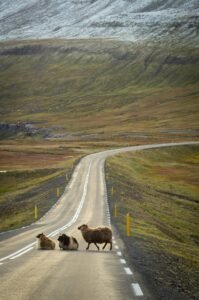
Respect local drivers and avoid speeding—it’s not worth the risk. Icelanders are also big on road etiquette. Use designated pull-over spots to let faster vehicles pass, and always wave as a thank-you when others do the same for you. Finally, never stop in the middle of the road to take photos—this is both dangerous and inconsiderate.
Budget-Saving Tips for Car Rentals
Book in Advance for Better Deals
One of the easiest ways to save money on car rentals is to book early. Rental companies often offer lower rates for those who plan ahead, especially during peak travel seasons. By securing your rental weeks or even months in advance, you’ll not only lock in a better price but also have a wider selection of vehicles to choose from. Additionally, keep an eye out for flash sales or promotional discounts—signing up for newsletters from rental companies can give you a heads-up on these deals.
Avoid Hidden Fees and Extra Charges
Hidden fees can quickly turn a budget-friendly rental into an expensive headache. To avoid surprises, read the rental agreement carefully and ask about any unclear charges. Here are some common fees to watch out for:
- Airport surcharges: Renting from an airport location often comes with higher fees. Consider picking up your car from a nearby off-airport location.
- Additional driver fees: Some companies charge extra for adding another driver. If traveling with a partner or friend, check if this fee applies and whether it’s worth it.
- Insurance costs: While insurance is essential, you might already be covered through your credit card or personal auto policy. Verify this before paying for additional coverage.
Fuel-Saving Strategies
Fuel costs can add up, especially on long road trips, but there are ways to minimize this expense. Start by choosing a fuel-efficient vehicle—compact cars or hybrids are great options for saving on gas. Additionally, plan your route to avoid excessive detours or traffic congestion, as these can lead to unnecessary fuel consumption. Here’s a quick tip: if the rental company offers a “full-to-full” fuel policy, always return the car with a full tank to avoid paying inflated refueling charges.
Essential Documents and Requirements
Valid Driver’s License and Age Restrictions
Before renting a car in Iceland, you’ll need a valid driver’s license that’s been held for at least one year. Most rental companies require drivers to be at least 20 years old, though some may set the minimum age at 23 or 25 for certain vehicle categories. If you’re under 25, be prepared to pay a young driver fee, which can add to your rental costs. Always check the specific age policies of your chosen rental company to avoid surprises.
Credit Card Policies and Deposits
Renting a car in Iceland almost always requires a credit card in the primary driver’s name. Debit cards are rarely accepted. The rental company will place a hold on your card as a security deposit, which can range from ISK 200,000 to ISK 500,000 (approximately $1,500 to $3,800) depending on the vehicle type. This hold is released after you return the car, provided there’s no damage or additional charges. Make sure your credit card has enough available limit to cover this deposit.
International Driving Permits (If Needed)
If your driver’s license is not in Roman script (e.g., Cyrillic, Arabic, or Chinese), you’ll need an International Driving Permit (IDP) to rent a car in Iceland. Even if your license is in English, some rental companies may still require an IDP for non-EU/EEA licenses. It’s a good idea to check with your rental company in advance. Obtaining an IDP is usually straightforward and can be done through your local automobile association before your trip.
Planning Your Iceland Road Trip
Must-Visit Routes and Stops
Iceland is a land of breathtaking landscapes, and planning your route is key to making the most of your trip. The Ring Road (Route 1) is a must for any first-time visitor, encircling the country and connecting iconic spots like the Golden Circle, Jökulsárlón Glacier Lagoon, and Lake Mývatn. For those seeking adventure, the Westfjords and Snæfellsnes Peninsula offer rugged beauty and fewer crowds. Don’t miss hidden gems like Seljalandsfoss waterfall or the black sand beaches of Vik. Pro tip: Check road conditions and weather forecasts daily—Iceland’s weather can be unpredictable!
Packing Essentials for the Journey
Packing smart can make or break your Icelandic road trip. Here’s what you’ll need:
- Layered clothing: Weather changes quickly—base layers, waterproof jackets, and warm sweaters are a must.
- Sturdy footwear: Hiking boots are essential for exploring Iceland’s rugged terrain.
- Reusable water bottle: Iceland’s tap water is some of the purest in the world—save money and stay eco-friendly.
- Power bank and adapters: Keep your devices charged for navigation and capturing memories.
- Snacks: Stock up on groceries to save on meals during long drives.
Staying Connected with Maps and GPS
While Iceland’s scenery might make you want to disconnect, staying connected is crucial for navigation and safety. Download offline maps via apps like Google Maps or Maps.me before hitting the road—cell service can be spotty in remote areas. A reliable GPS device or smartphone mount for your car is also a smart investment. If you’re renting a car, ensure it comes with a GPS system or consider adding one. Finally, keep a physical map as a backup—old-school navigation can be a lifesaver if technology fails.
Safety and Emergency Tips
What to Do in Case of Breakdowns
Breaking down while exploring Iceland’s remote landscapes can be stressful, but staying calm and prepared is key. Always keep your rental car’s emergency kit handy, which should include a reflective vest, flashlight, and warning triangle. If your car breaks down, pull over to a safe spot, turn on your hazard lights, and set up the warning triangle at least 50 meters behind your vehicle. Call your rental company immediately to report the issue—most provide 24/7 roadside assistance. If you’re in a remote area with no cell service, wait for a passing vehicle to flag down for help.
Emergency Numbers and Roadside Assistance
In Iceland, the emergency number is 112, which connects you to police, fire, or ambulance services. Save this number in your phone before your trip. Most rental companies also include roadside assistance in their packages, so keep their contact information easily accessible. If you’re unsure about your coverage, clarify this with your rental provider before hitting the road. For non-urgent issues, such as minor car troubles, contact the rental company directly for guidance.
Wildlife and Weather Safety Precautions
Iceland’s weather can change rapidly, so always check the forecast before heading out. Dress in layers and carry waterproof clothing to stay dry and warm. Beware of sudden storms, especially in winter, and avoid driving in severe conditions unless absolutely necessary. When it comes to wildlife, respect the natural habitat. Keep a safe distance from animals like sheep, horses, or Arctic foxes—they’re wild and unpredictable. If you’re hiking, stay on marked trails to minimize environmental impact and avoid potential hazards.
Final Thoughts
Exploring Iceland’s stunning landscapes is an unforgettable experience, but staying safe should always be your top priority. By preparing for emergencies, respecting the environment, and being mindful of weather conditions, you can ensure a smooth and enjoyable journey. Remember, adventure is about embracing the unexpected while staying ready for whatever comes your way. Safe travels!
FAQ
- What should I do if I get stuck in snow?
- Stay in your car, keep warm, and call 112 or your rental company for assistance. Never attempt to walk for help in severe weather.
- Are there dangerous animals in Iceland?
- No, Iceland doesn’t have dangerous wildlife, but keep a respectful distance from wild animals to avoid startling them.
- Can I drive in Iceland’s winter conditions?
- Yes, but only if you’re experienced and prepared. Always check road conditions (road.is) and weather forecasts before driving.

About Grace Castle
Grace Castle, 29, is a passionate traveler and digital nomad who turned her love for exploring the world into a career. With years of experience traveling across different countries, she has mastered the art of smart travel planning, working remotely while discovering new destinations.
An expert in budget travel, local culture, and remote work, Grace shares valuable tips for those looking to travel more while spending less. Her mission is to help fellow travelers explore the world with ease, safety, and authentic experiences.
When she’s not writing about her adventures, Grace can be found discovering cozy cafés, learning new languages, or planning her next trip.