 Introduction to Japanese Festivals
 Introduction to Japanese Festivals
Japanese festivals, or matsuri, are a vibrant tapestry of tradition, culture, and community spirit. What makes them unique is their seamless blend of ancient rituals and modern celebrations. From spectacular fireworks lighting up the night sky to elaborate parades featuring ornate floats and traditional costumes, these festivals offer a sensory feast that’s hard to match. Each event is deeply rooted in local history, often tied to seasons, deities, or historical events, making every festival a one-of-a-kind experience.
Why 2025 Is the Perfect Year to Visit
If you’ve been dreaming of attending a Japanese festival, 2025 is your golden opportunity. Here’s why:
- Post-Olympic Buzz: After the Tokyo 2020 Olympics, Japan has further polished its tourism infrastructure, making it easier and more affordable for travelers to explore its hidden gems.
- Commemorative Events: Many festivals in 2025 will feature special themes or larger-than-usual celebrations to mark significant anniversaries or milestones in Japanese history.
- Travel Flexibility: With more airlines offering budget-friendly routes and Japan’s growing focus on sustainable tourism, 2025 presents a chance to explore without breaking the bank.
Whether you’re a budget traveler seeking cultural immersion, a digital nomad looking for inspiring backdrops, or a family in search of enriching experiences, Japanese festivals in 2025 promise something for everyone. So pack your bags and get ready to dive into a world where tradition meets celebration in the most unforgettable way.
Top Festivals to Experience in 2025
Gion Matsuri in Kyoto: History and Highlights
One of Japan’s most iconic festivals, Gion Matsuri, takes place every July in Kyoto. With a history spanning over a thousand years, this festival was originally held to appease the gods during a plague. Today, it’s a vibrant celebration of Kyoto’s rich culture and traditions. The highlight is the Yamaboko Junko parade, where massive, elaborately decorated floats are pulled through the streets. Budget travelers can enjoy the festival for free by securing a spot along the parade route early in the morning. For a more immersive experience, consider renting a yukata (summer kimono) to blend in with the locals.
Nebuta Matsuri in Aomori: Spectacular Floats and Dances
Held in early August, Nebuta Matsuri in Aomori is a feast for the senses. The festival features enormous, illuminated floats shaped like mythical creatures and warriors, crafted with meticulous detail. Each evening, the floats are paraded through the streets accompanied by energetic Haneto dancers in colorful costumes. If you’re traveling on a budget, arrive early to secure a free viewing spot or join the dance for a small participation fee. For digital nomads, Aomori offers affordable accommodations and reliable internet, making it an excellent base to work while experiencing the festival.
Tanabata Matsuri in Sendai: Romantic Star Festival
Celebrated in early August, Tanabata Matsuri in Sendai is a romantic festival inspired by a Chinese legend about star-crossed lovers. The city is adorned with thousands of colorful paper decorations, and visitors can write their wishes on tanzaku (small strips of paper) to hang on bamboo branches. For young couples and backpackers, this festival offers a perfect blend of tradition and romance. Entry is free, and the streets come alive with food stalls, making it a budget-friendly way to enjoy Japanese culture. Don’t miss the stunning fireworks display on the final night!
Budget-Friendly Tips for Festival Travel
Affordable Accommodations Near Festival Sites
Finding a place to stay close to festival sites doesn’t have to drain your wallet. Consider guesthouses, hostels, or capsule hotels, which often offer great value for money. These options are not only budget-friendly but also provide a chance to meet fellow travelers. If you’re planning ahead, look for early bird discounts or last-minute deals on booking platforms. Another tip is to explore accommodations in neighboring towns or suburbs—they’re often cheaper and just a short train or bus ride away from the action.
- Guesthouses and hostels
- Early bird discounts
- Neighboring town stays
Local Street Food to Try Without Breaking the Bank
Japanese festivals are a paradise for food lovers, and the best part is, you don’t need a gourmet budget to enjoy them. Street food stalls, or yatai, are a treasure trove of affordable and delicious options. From takoyaki (octopus balls) to yakisoba (fried noodles), these festival favorites are both filling and easy on the pocket. Don’t shy away from trying regional specialties—they’re often priced reasonably and give you a true taste of local culture. Pro tip: Carry cash, as many street vendors don’t accept cards.
- Takoyaki and yakisoba
- Regional specialties
- Carry cash for ease
Free or Low-Cost Festival Activities
Festivals in Japan are packed with activities that won’t cost you a dime. From parades and traditional performances to fireworks displays, there’s plenty to enjoy without spending. Many festivals also feature free workshops or cultural demonstrations, like tea ceremonies or calligraphy, where you can immerse yourself in the local traditions. Check the festival schedule in advance to plan your day around these free events. If there’s a small fee for certain activities, it’s usually minimal and well worth the experience.
- Parades and performances
- Free workshops
- Minimal fees for special activities
Planning Your Festival Itinerary
Best Times to Arrive for Prime Viewing
To make the most of your festival experience, arrive early. Many traditional Japanese festivals attract large crowds, and securing a good spot can make all the difference. For major events like the Gion Matsuri in Kyoto or the Nebuta Matsuri in Aomori, aim to arrive at least one to two hours before the main procession or performance begins. This not only ensures a great view but also allows you to soak in the atmosphere and explore nearby food stalls and activities.
If you’re traveling with family or prefer a calmer experience, consider attending on weekdays or during less crowded hours, such as early mornings or late evenings. Many festivals offer multiple days of festivities, so planning your visit accordingly can help you avoid the busiest times.
Combining Festivals with Other Travel Plans
Japan’s festivals are often tied to specific regions, so why not make them the centerpiece of your travel itinerary? For example, if you’re planning to visit Tokyo, check if the Sanja Matsuri in Asakusa coincides with your trip. This way, you can enjoy both the festival and the city’s iconic landmarks.
For digital nomads or freelancers, consider working remotely from cities hosting festivals. Many cities like Kyoto and Osaka offer excellent co-working spaces and high-speed internet, allowing you to balance work and leisure. Combine your workday with an evening festival visit for a unique cultural immersion.
For budget travelers, timing your trip to include multiple festivals can save on transportation costs. Use Japan’s efficient rail network to hop between cities and experience different celebrations without breaking the bank.
Transportation Tips for Getting Around
Navigating Japan during festival season is made easier with a bit of preparation. Here are some actionable tips:
- Use the Japan Rail Pass: This offers unlimited travel on most JR trains, making it ideal for festival hopping. Purchase it before your trip for savings.
- Book accommodation near festival sites: This reduces travel time and allows you to return easily if you’re traveling with children or carrying festival purchases.
- Download transportation apps: Apps like Hyperdia or Google Maps provide real-time train schedules and help you plan your routes efficiently.
- Consider local buses and trams: In smaller cities, these are often the most convenient way to reach festival locations.
For solo travelers or adventurers, renting a bicycle can be a fun and flexible way to explore festival areas, especially in cities like Kyoto, known for their bike-friendly infrastructure.
Traveling with Family or Solo
Family-Friendly Festival Activities
Traveling with family to traditional Japanese festivals is a fantastic way to create lasting memories. Many festivals offer kid-friendly activities, such as mini parades, craft workshops, and food stalls with treats for all ages. For example, the Gion Matsuri in Kyoto features family zones with games and interactive cultural experiences. Plan ahead by:
- Checking festival schedules for family-oriented events.
- Bringing a lightweight stroller or baby carrier for younger children.
- Packing snacks and water to keep everyone energized.
Pro tip: Arrive early to secure a comfortable spot for viewing parades or performances.
Safety Tips for Solo Travelers
Solo travel can be incredibly rewarding, especially when exploring Japan’s vibrant festivals. To ensure a safe and enjoyable experience:
- Always share your itinerary with someone back home.
- Carry a portable charger for your phone and keep emergency contacts handy.
- Stay in well-lit, populated areas, especially at night.
Japan is known for its low crime rate, but it’s still wise to be cautious. Consider joining organized tours or festival meetups to connect with other travelers.
How to Meet Locals and Other Travelers
Festivals are social hubs, making them perfect for meeting new people. Here’s how to strike up conversations:
- Attend language exchange events or cultural workshops often held during festivals.
- Visit local izakayas (Japanese pubs) or food stalls, where friendly banter is common.
- Use apps like Meetup or Couchsurfing to find festival-related gatherings.
“The best way to experience a festival is through the eyes of a local. Don’t be shy—most people are happy to share their culture!”
Cultural Etiquette and Tips
Dos and Don’ts at Japanese Festivals
Japanese festivals, or matsuri, are vibrant celebrations of culture and tradition. To fully enjoy these events while respecting local customs, keep these tips in mind:
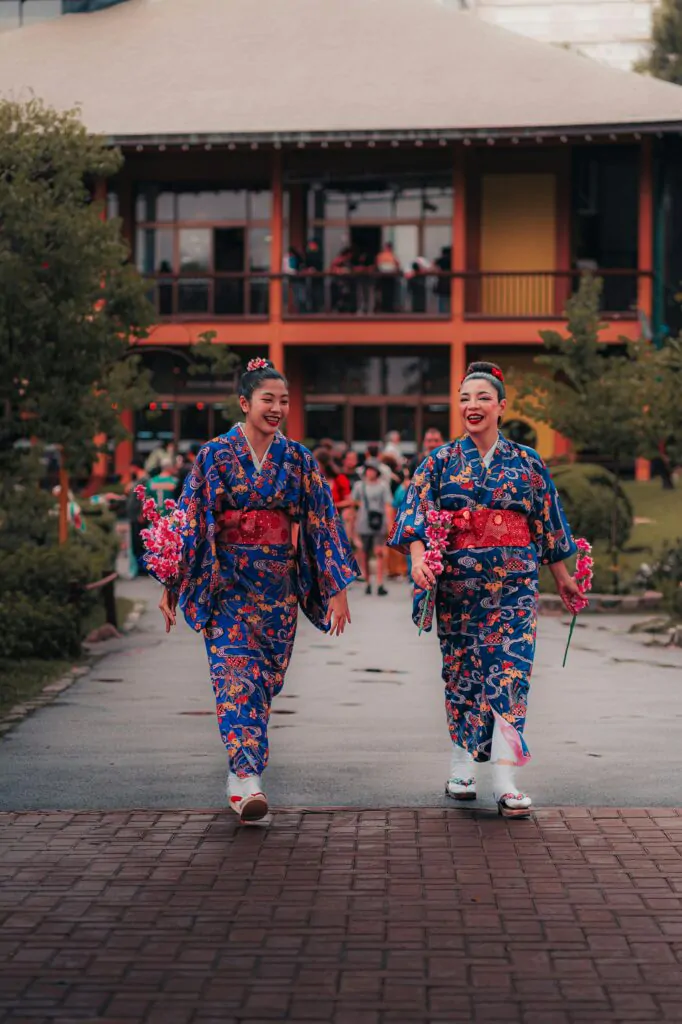
- Do dress appropriately: While casual attire is fine, avoid overly revealing clothing. If you’re attending a summer festival, consider wearing a yukata (light kimono) for an authentic experience.
- Don’t litter: Japanese festivals are known for their cleanliness. Always dispose of trash in designated bins or take it with you.
- Do follow the crowd: Observe how locals behave and follow their lead, especially during rituals or performances.
- Don’t interrupt ceremonies: If you’re unsure about a tradition, it’s best to watch quietly and ask questions later.
How to Respect Local Traditions
Respecting local traditions is key to enjoying Japanese festivals. Here’s how you can show your appreciation:
- Bow when greeting: A slight bow is a polite way to acknowledge others, especially when meeting festival organizers or locals.
- Remove your shoes: If you’re entering a temple or a traditional home during a festival, always take off your shoes.
- Be mindful of photography: Some rituals or performances may prohibit photography. Always ask for permission before taking pictures.
- Participate respectfully: If invited to join a dance or activity, do so with enthusiasm but avoid overstepping boundaries.
Learning Basic Japanese Phrases
Knowing a few basic Japanese phrases can enhance your festival experience and help you connect with locals. Here are some essential phrases to learn:
- Konnichiwa (こんにちは): Hello (used during the day).
- Arigatou (ありがとう): Thank you.
- Sumimasen (すみません): Excuse me or sorry.
- Oishii (おいしい): Delicious (perfect for complimenting festival food).
- Ikura desu ka (いくらですか): How much is it? (useful for shopping at festival stalls).
Even a simple effort to speak Japanese will be appreciated by locals and can make your experience more memorable.
Conclusion and Final Tips
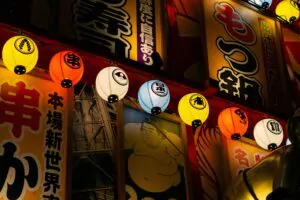
Traditional Japanese festivals, or matsuri, are more than just events—they are unforgettable experiences that immerse you in Japan’s rich culture, history, and community spirit. From the dazzling lanterns of the Gion Matsuri to the vibrant floats of the Takayama Festival, these celebrations offer a unique glimpse into the heart of Japan. Whether you’re a budget traveler, a digital nomad, or a family seeking adventure, these festivals are worth every moment of planning.
Why These Festivals Are Unforgettable
These festivals are not just about entertainment; they are a vibrant tapestry of tradition, artistry, and emotion. Imagine being surrounded by the rhythmic beat of taiko drums, the delicate craftsmanship of illuminated floats, and the warmth of locals sharing their cultural pride. Each festival tells a story, and being part of it is like stepping into a living history book. For cultural tourists and adventurers</b alike, these moments create memories that last a lifetime.
How to Capture the Best Memories
- Arrive early: Popular festivals can get crowded, so arrive early to secure a good spot and enjoy the atmosphere without the rush.
- Pack light but smart: Bring essentials like a reusable water bottle, comfortable shoes, and a portable charger for your devices.
- Respect the culture: Be mindful of local customs, such as removing shoes where required or asking permission before taking photos of people.
- Capture candid moments: While the main events are spectacular, don’t forget to capture the small, authentic details—like a child’s smile or a vendor’s craft.
Start Planning Now
Why wait? 2025 is the perfect year to experience these festivals, and planning ahead ensures you get the best deals on flights, accommodation, and activities. For budget travelers, booking early can save you money, while digital nomads can take advantage of Japan’s excellent remote work infrastructure. Families and solo travelers</b alike will find Japan’s safety and hospitality welcoming. Start researching itineraries, set reminders for festival dates, and create a travel fund—your adventure awaits!
FAQs
- When is the best time to visit Japan for festivals?
- The festival season peaks in summer and autumn, particularly July, August, and October. However, Japan hosts festivals year-round, so you can plan around your schedule.
- Are these festivals family-friendly?
- Absolutely! Many festivals offer activities for all ages, from traditional games to parades and performances. Just be mindful of crowds and plan accordingly.
- How can I save money while attending festivals?
- Book flights and accommodations early, use public transportation, and enjoy street food from local vendors for an affordable and authentic experience.
So, what are you waiting for? Traditional Japanese festivals are calling your name. Start planning your trip today and get ready to create memories that will stay with you forever. Mata ne—see you soon!

About Grace Castle
Grace Castle, 29, is a passionate traveler and digital nomad who turned her love for exploring the world into a career. With years of experience traveling across different countries, she has mastered the art of smart travel planning, working remotely while discovering new destinations.
An expert in budget travel, local culture, and remote work, Grace shares valuable tips for those looking to travel more while spending less. Her mission is to help fellow travelers explore the world with ease, safety, and authentic experiences.
When she’s not writing about her adventures, Grace can be found discovering cozy cafés, learning new languages, or planning her next trip.