 Introduction to Berber Villages
 Introduction to Berber Villages
What Makes Berber Villages Unique?
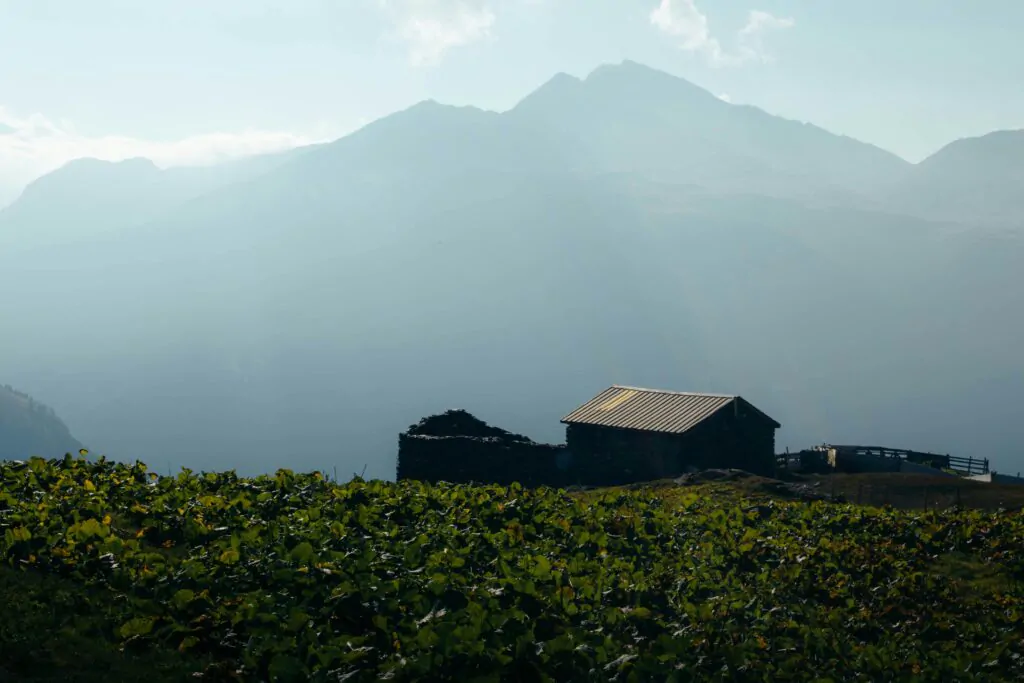
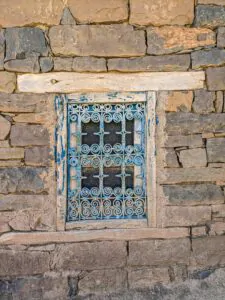
Nestled in the heart of the Atlas Mountains, Berber villages are a testament to centuries-old traditions, resilience, and a way of life that has remained largely untouched by modernity. Berber culture, one of North Africa’s oldest, is deeply rooted in these villages, offering visitors a rare glimpse into a world where time seems to stand still. The villages are characterized by their distinct architecture—often built from mud and stone to blend seamlessly with the rugged landscape—and their warm, welcoming communities.
What truly sets Berber villages apart is their authenticity. Unlike more commercialized destinations, these villages offer a chance to experience genuine hospitality, savor traditional meals like tagine and couscous, and participate in age-old customs such as storytelling and music. For travelers seeking to connect with local culture, Berber villages are a treasure trove of unforgettable experiences.
Why the Atlas Mountains Are a Must-Visit
The Atlas Mountains, stretching across Morocco, are a paradise for adventurers, nature lovers, and cultural tourists alike. Here’s why they should be on your travel list:
- Breathtaking Scenery: From lush valleys to towering peaks, the Atlas Mountains offer some of the most stunning landscapes in North Africa.
- Affordable Travel: For budget travelers, the Atlas Mountains provide incredible value. Accommodation, food, and activities are often much more affordable than in major cities.
- Rich Culture: The Berber villages scattered throughout the mountains are a living museum of traditions, crafts, and history.
- Adventure Opportunities: Whether you’re into hiking, rock climbing, or simply exploring off-the-beaten-path trails, the Atlas Mountains cater to all levels of adventure.
For digital nomads, the Atlas Mountains also offer a peaceful escape with reliable internet in many areas, making it possible to work remotely while surrounded by nature’s beauty. Solo travelers will find the villages safe and hospitable, while families can enjoy the calm, family-friendly environment.
Top Berber Villages to Explore
Ait Benhaddou: The UNESCO World Heritage Site
Nestled along the ancient caravan route between the Sahara and Marrakech, Ait Benhaddou is a breathtaking fortified village that feels like stepping into a living history book. Recognized as a UNESCO World Heritage Site, its earthen clay architecture and labyrinthine alleys have served as the backdrop for countless films and TV shows, including Game of Thrones and Gladiator. For budget travelers, staying in nearby guesthouses or riads is an affordable way to soak in the magic of this iconic destination. Don’t miss the sunrise views from the top of the kasbah—it’s a moment you’ll cherish forever.
Imlil: Gateway to Mount Toubkal
If you’re an adventurer or ecotourist, Imlil is your perfect basecamp. This charming Berber village sits at the foot of Mount Toubkal, North Africa’s highest peak, making it a haven for hikers and nature lovers. The village itself is a serene escape, with traditional stone houses and terraced fields. For digital nomads, Imlil offers a peaceful retreat with decent internet connectivity, allowing you to work remotely while surrounded by stunning mountain vistas. Pro tip: Hire a local guide for a day hike—it’s affordable and supports the community.
Tafraoute: A Hidden Gem in the Anti-Atlas
For those seeking off-the-beaten-path experiences, Tafraoute is a hidden gem tucked away in the Anti-Atlas Mountains. Known for its dramatic pink granite landscapes and almond groves, this village is a paradise for photographers and cultural tourists. The cost of living here is remarkably low, making it ideal for budget travelers and digital nomads alike. Families will appreciate the calm atmosphere and the chance to explore nearby rock formations like the famous Painted Rocks. Whether you’re here for a day or a week, Tafraoute promises an unforgettable escape from the ordinary.
Budget-Friendly Tips for Visiting
Affordable Accommodations and Homestays
Finding a place to stay in the Atlas Mountains doesn’t have to break the bank. Consider traditional Berber homestays, where you can immerse yourself in local culture while keeping costs low. These accommodations often include hearty meals and a warm welcome. Alternatively, budget-friendly guesthouses and small hotels in villages like Imlil or Ait Ben Haddou offer basic amenities at reasonable prices. Booking platforms and local travel agencies can help you snag great deals, especially during the off-season.
Saving on Transportation and Food
Transportation in the Atlas Mountains can be affordable if you plan wisely. Shared taxis (grand taxis) are a cost-effective way to travel between towns, though they may require some patience. For shorter distances, walking or renting a bike can be both economical and rewarding. When it comes to food, skip the touristy restaurants and opt for local eateries or street food. Tagines, couscous, and fresh bread are delicious, filling, and budget-friendly. Shopping at local markets for snacks and essentials can also help you save.
Best Time to Visit for Budget Travelers
Timing your trip can make a big difference to your budget. The off-season (late fall and early spring) is ideal for budget travelers, as accommodation and tour prices drop significantly. The weather during these months is still pleasant for hiking and exploring. Avoid the summer peak season when prices soar and trails are crowded. Winter can also be a great time to visit if you’re prepared for colder weather, with the added bonus of seeing the mountains covered in snow.
Additional Money-Saving Tips
- Travel in groups: Splitting costs for guides, transportation, and accommodations can significantly reduce expenses.
- Bargain respectfully: Haggling is common in local markets and for certain services, so don’t hesitate to negotiate politely.
- Pack smart: Bring essentials like reusable water bottles and snacks to avoid unnecessary purchases.
Cultural Immersion in Berber Villages
Experience Traditional Berber Hospitality and Meals
One of the most heartwarming aspects of visiting Berber villages is the unparalleled hospitality of the locals. Berber families often welcome visitors with open arms, inviting them into their homes for a traditional meal. These meals are a feast for the senses, featuring dishes like tagine, couscous, and freshly baked bread. Sharing a meal is not just about food—it’s a way to connect and learn about Berber culture firsthand. Pro tip: If you’re on a budget, these home-cooked meals are often more affordable and authentic than dining in tourist restaurants.
Learn About Berber Crafts and History
Berber villages are a treasure trove of traditional crafts and rich history. Many villages are known for their skilled artisans who create beautiful pottery, woven rugs, and intricate jewelry. Visiting local workshops or markets is a great way to support the community while learning about these age-old techniques. Don’t hesitate to ask questions—artisans are usually happy to share stories about their craft and its cultural significance. For history buffs, some villages even have small museums or guided tours that delve into the Berber way of life and their enduring traditions.
Attend Local Festivals and Events
Timing your visit to coincide with a local festival can be a highlight of your trip. Berber festivals are vibrant celebrations of music, dance, and tradition, offering a unique glimpse into their culture. Events like the Imilchil Marriage Festival or Timitar Music Festival are perfect for experiencing the lively spirit of the community. Even smaller, impromptu gatherings can be a lot of fun. Check with locals or your accommodation for tips on upcoming events—these experiences are often free or low-cost and provide an unforgettable way to immerse yourself in Berber life.
Adventure Activities in the Atlas Mountains
Hiking Trails for All Levels
The Atlas Mountains are a hiker’s paradise, offering trails that cater to all skill levels, from beginners to seasoned adventurers. For those just starting out, the Imlil Valley provides gentle paths with stunning views of terraced fields and snow-capped peaks. More experienced hikers can tackle the challenging ascent to Mount Toubkal, North Africa’s highest peak. Whether you’re a solo traveler or a family, there’s a trail for you. Don’t forget to pack plenty of water, wear sturdy shoes, and check weather conditions before heading out.
Exploring Waterfalls and Oases
One of the most refreshing adventures in the Atlas Mountains is discovering its hidden waterfalls and lush oases. The Ouzoud Waterfalls are a must-see, with their cascading waters surrounded by olive groves and playful monkeys. For a quieter experience, seek out lesser-known spots like the Paradise Valley, where you can hike through palm-lined gorges and cool off in natural pools. These destinations are perfect for young couples or adventurers looking for a unique, Instagram-worthy escape.
Guided Tours vs. Independent Exploration
Deciding between a guided tour or independent exploration depends on your travel style and budget. Guided tours are ideal for first-time visitors or those who prefer structured itineraries. Local guides offer valuable insights into Berber culture and ensure safety on challenging trails. On the other hand, independent exploration allows for flexibility and is perfect for budget-conscious travelers or digital nomads who want to set their own pace. If you’re traveling solo, joining a small group tour can also be a great way to meet like-minded adventurers.
- Guided Tours: Pros include expert knowledge, safety, and structured itineraries. Cons can be higher costs and less flexibility.
- Independent Exploration: Pros include flexibility, cost savings, and the freedom to explore at your own pace. Cons may include navigation challenges and missing local insights.
Whichever you choose, the Atlas Mountains promise unforgettable adventures for every type of traveler.
Practical Tips for Travelers
How to Get to and Around the Atlas Mountains
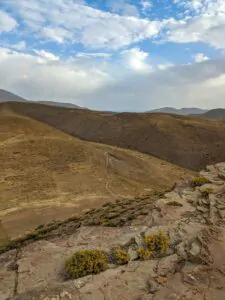
Reaching the Atlas Mountains is easier than you might think. If you’re flying in, Marrakech Menara Airport is the closest major hub. From there, you can hire a private driver, take a shared taxi (grand taxi), or arrange a transfer through your accommodation. For budget travelers, public buses and shared vans are affordable options, though they may take longer. Once in the mountains, 4WD vehicles are ideal for navigating rugged terrain. If you’re up for adventure, consider renting a car, but ensure it’s suitable for mountain roads. For shorter distances, local guides or mule services can be arranged, especially if you’re trekking.
Safety Tips for Solo Travelers and Families
Safety is crucial, whether you’re traveling alone or with family. Always inform someone about your itinerary, especially if you’re hiking or exploring remote areas. Stick to well-marked trails and consider hiring a local guide for unfamiliar routes. For solo travelers, avoid walking alone at night in isolated areas. Families should ensure accommodations are child-friendly and inquire about nearby medical facilities. Carry a basic first-aid kit and enough water, as temperatures can fluctuate in the mountains. Lastly, respect local customs to foster positive interactions with Berber communities.
What to Pack for a Berber Village Visit
Packing smart ensures a comfortable and enjoyable trip. Here’s a quick checklist:
- Layered clothing: Temperatures can vary dramatically; pack lightweight layers for daytime and warm clothes for chilly evenings.
- Sturdy hiking shoes: Essential for navigating rocky paths and trails.
- Reusable water bottle: Stay hydrated and reduce plastic waste.
- Sun protection: High-altitude sun can be intense—bring sunscreen, sunglasses, and a hat.
- Basic toiletries: Many villages have limited access to supplies, so pack essentials like soap, toothpaste, and hand sanitizer.
- Small backpack: Perfect for carrying daily essentials during hikes or village visits.
If you’re a digital nomad, don’t forget your power bank and portable Wi-Fi device, as internet access can be spotty in remote areas.
Combining Work and Travel for Digital Nomads
For digital nomads, the Atlas Mountains offer a unique blend of work and adventure. Imagine typing away on your laptop with breathtaking mountain views as your backdrop. Here’s how you can make it happen.
Finding Remote Work-Friendly Accommodations
When searching for a place to stay, look for guesthouses or riads that cater to remote workers. Many traditional Berber villages now offer accommodations with dedicated workspaces or quiet corners perfect for productivity. Some even provide ergonomic chairs and desks to make your workday more comfortable. Pro tip: Reach out to hosts in advance to confirm they can meet your work needs.
Internet Connectivity in Berber Villages
While the Atlas Mountains are remote, many villages now have reliable internet thanks to improved infrastructure. However, speeds can vary, so it’s wise to:
- Check reviews for mentions of Wi-Fi quality.
- Bring a portable hotspot as a backup.
- Download essential files and tools before your trip.
If you’re planning to stay longer, consider investing in a local SIM card for better connectivity.
Balancing Work and Exploration in the Mountains
One of the joys of being a digital nomad is the freedom to explore. Here’s how to strike the perfect balance:
- Set a schedule: Dedicate mornings to work and afternoons to hiking or cultural tours.
- Take advantage of weekends: Use your days off to venture deeper into the mountains or visit nearby markets.
- Stay flexible: Embrace the slower pace of village life and allow yourself to adapt to the rhythm of the mountains.
FAQ
- Is it safe to work remotely in the Atlas Mountains?
- Yes, the Atlas Mountains are generally safe for travelers. However, always take standard precautions, like securing your belongings and informing someone of your plans.
- Can I find coworking spaces in Berber villages?
- While coworking spaces are rare, many accommodations are remote work-friendly and offer quiet spaces to work.
- What’s the best time of year to visit as a digital nomad?
- Spring (March to May) and autumn (September to November) offer pleasant weather and fewer crowds, making it ideal for both work and exploration.
Combining work and travel in the Atlas Mountains is not just possible—it’s an unforgettable experience. With a little planning, you can enjoy the best of both worlds: productivity and adventure.

About Grace Castle
Grace Castle, 29, is a passionate traveler and digital nomad who turned her love for exploring the world into a career. With years of experience traveling across different countries, she has mastered the art of smart travel planning, working remotely while discovering new destinations.
An expert in budget travel, local culture, and remote work, Grace shares valuable tips for those looking to travel more while spending less. Her mission is to help fellow travelers explore the world with ease, safety, and authentic experiences.
When she’s not writing about her adventures, Grace can be found discovering cozy cafés, learning new languages, or planning her next trip.