 Why Patagonia is Perfect for Budget Travelers
 Why Patagonia is Perfect for Budget Travelers
Affordable Natural Wonders and Free Activities
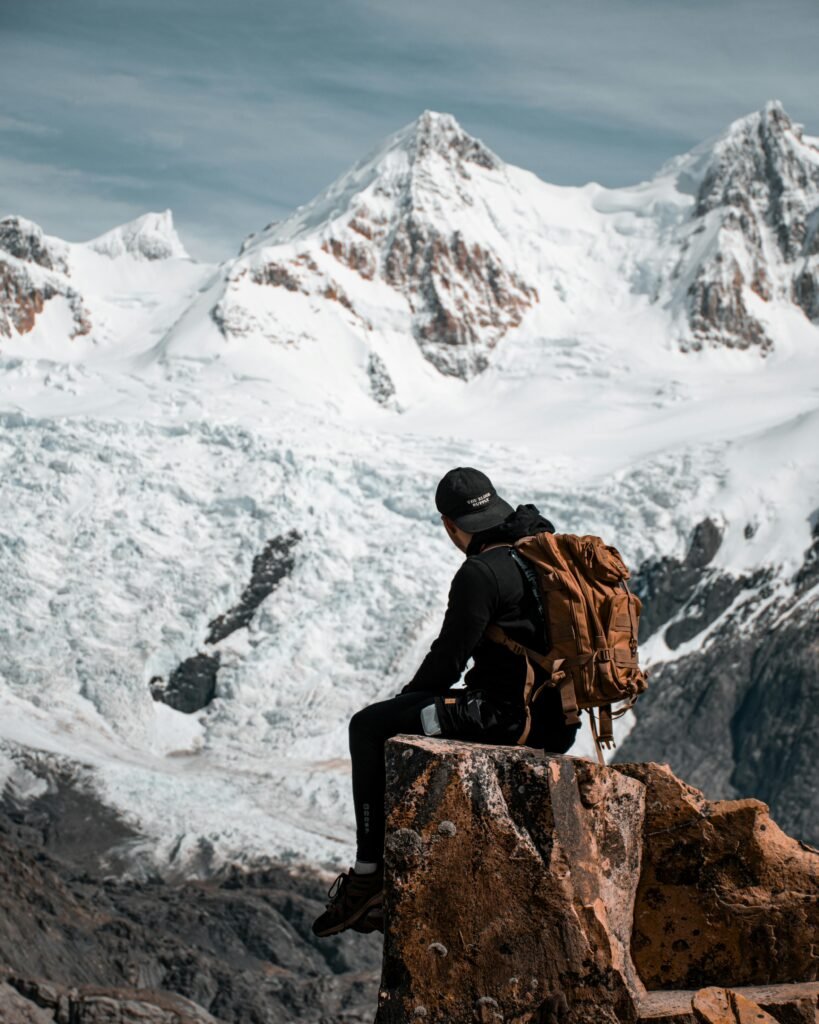
Patagonia is a treasure trove of stunning natural landscapes that won’t cost you a fortune to explore. From the majestic peaks of Torres del Paine to the serene beauty of Los Glaciares National Park, many of these wonders are accessible with minimal fees. Hiking trails, such as the famous Fitz Roy trek, are completely free and offer unforgettable experiences. Additionally, activities like birdwatching, stargazing, and exploring local markets are perfect for budget-conscious travelers seeking authentic adventures.
Low-Cost Transportation Options
Getting around Patagonia doesn’t have to break the bank. Public buses are a reliable and affordable way to travel between cities and national parks. For longer distances, consider shared rides or carpooling with fellow travelers. Many towns are also walkable, allowing you to save money while soaking in the local charm. If you’re feeling adventurous, hitchhiking is a common and safe practice in this region, though always exercise caution.
Budget-Friendly Accommodations
Patagonia offers a variety of affordable lodging options to suit every traveler’s needs. Hostels and guesthouses are widely available, providing comfortable stays at a fraction of the cost of hotels. For those who love the outdoors, camping is an excellent option, with many designated campsites offering basic amenities. Platforms like Airbnb also feature budget-friendly rentals, often with stunning views of the surrounding landscapes. By choosing these accommodations, you can stretch your budget further while enjoying the region’s natural beauty.
Top Budget-Friendly Destinations in Patagonia
El Chaltén: Hiking Paradise with Free Trails
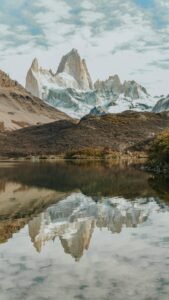
Nestled in the heart of Argentina’s Los Glaciares National Park, El Chaltén is a dream come true for budget-conscious adventurers. Known as the “Hiking Capital of Argentina,” this small village offers a plethora of free trails that lead to breathtaking vistas of Mount Fitz Roy and Cerro Torre. No need to spend a fortune on guided tours—the trails are well-marked and accessible for all skill levels. Plus, the town itself has affordable hostels, campsites, and eateries, making it a perfect spot for backpackers and solo travelers.
Pro tip: Visit during the shoulder seasons (spring or autumn) to avoid crowds and enjoy milder weather.
Puerto Natales: Gateway to Torres del Paine on a Budget
The charming town of Puerto Natales in Chilean Patagonia is the ideal base for exploring the iconic Torres del Paine National Park without breaking the bank. While the park itself has an entrance fee, you can save costs by staying in budget-friendly accommodations in Puerto Natales and traveling to the park on day trips. The town offers a range of affordable guesthouses, cozy cafés, and supermarkets where you can stock up on snacks for your adventures.
Don’t miss: The free Museo Histórico Municipal, which provides fascinating insights into the region’s history and culture.
Bariloche: Affordable Lakeside Charm
For those seeking a mix of nature and urban convenience, San Carlos de Bariloche is a must-visit. Located in Argentina’s Lake District, Bariloche is famous for its stunning alpine scenery, crystal-clear lakes, and chocolate shops. While it’s known as a skiing destination, it’s equally appealing for budget travelers in the off-season. Affordable hostels, free walking trails, and public transportation make it easy to explore without overspending. Plus, the local markets offer delicious and budget-friendly meals.
Must-do: Take the free Circuito Chico bus route to enjoy panoramic views of Nahuel Huapi Lake and surrounding mountains.
Money-Saving Tips for Patagonia
Travel During the Shoulder Season for Lower Prices
Patagonia’s peak season (December to February) is stunning but comes with a hefty price tag. Opt for the shoulder season, which falls between late September to early November and March to April. During these months, you’ll enjoy milder weather, fewer crowds, and significantly lower prices on accommodations and tours. Flights are often cheaper, too, making it the perfect time to explore Patagonia without breaking the bank.
Cook Your Own Meals to Save on Food Costs
While Patagonia’s restaurants serve delicious meals, dining out daily can add up quickly. Self-catering is a fantastic way to save money. Many hostels, guesthouses, and even budget hotels offer shared kitchens. Stock up on local ingredients from markets or supermarkets—think fresh bread, cheeses, and regional produce. Cooking your meals not only cuts costs but also lets you enjoy a more immersive experience with local flavors.
Use Local Buses and Shared Transportation
Patagonia’s vast landscapes can make transportation a challenge, but hiring private tours or renting a car can be expensive. Public buses are a budget-friendly and reliable option, connecting major towns and national parks. For longer distances, consider shared vans or services like colectivos, which are cost-effective and often used by locals. These options not only save money but also offer a chance to meet fellow travelers and share stories along the way.
Affordable Activities and Experiences
Free Hiking Trails and National Park Tips
Patagonia is a hiker’s paradise, and the best part? Many of its trails are completely free! Torres del Paine National Park in Chile and Los Glaciares National Park in Argentina offer breathtaking landscapes without requiring a guide. For budget-conscious travelers, consider visiting during the shoulder seasons (spring or fall) when entrance fees are lower, and crowds are thinner. Pro tip: Pack your own snacks and water to avoid overpriced options inside the parks.
- Explore the Laguna de los Tres trail in El Chaltén for stunning views of Mount Fitz Roy.
- Walk the Mirador Las Torres route in Torres del Paine for iconic granite towers.
- Check for free ranger-led tours or educational programs in the parks.
Budget-Friendly Wildlife Watching Spots
Patagonia is teeming with wildlife, and you don’t need to splurge on expensive tours to see it. Head to Punta Tombo in Argentina, home to the largest Magellanic penguin colony in the world. Entry fees are minimal, and you can spend hours observing these charming creatures. For marine life, visit Puerto Madryn, where you can spot whales, sea lions, and dolphins from the shore. Bring binoculars for a closer look without the cost of a boat tour.
- Visit Valdés Peninsula for orcas and southern right whales.
- Explore Ushuaia’s Beagle Channel for seabirds and sea lions.
- Look for local birdwatching groups for free or low-cost guided experiences.
Cultural Experiences That Won’t Break the Bank
Immerse yourself in Patagonia’s rich culture without spending a fortune. In Bariloche, visit the Museo de la Patagonia to learn about the region’s history and indigenous heritage—it’s free on certain days. In Chile, explore the Museo Regional de Magallanes in Punta Arenas for a glimpse into the area’s colonial past. Don’t miss local markets like Feria Artesanal de El Calafate, where you can browse handmade crafts and chat with artisans.
- Attend free cultural festivals or events in smaller towns.
- Join a mate tea tasting session to experience a local tradition.
- Visit community-run museums for authentic insights and affordable entry fees.
Where to Stay on a Budget

Hostels and Guesthouses with Great Value
Patagonia is a haven for budget travelers, offering a variety of affordable hostels and guesthouses that don’t compromise on comfort. In popular spots like El Calafate, Puerto Natales, and Bariloche, you’ll find cozy hostels with shared dorms or private rooms, often equipped with communal kitchens, free Wi-Fi, and social spaces. Guesthouses, or hospedajes, are another excellent option, providing a more local and intimate experience. Look for places with positive reviews on platforms like Hostelworld or Booking.com, and don’t hesitate to book directly with the property for potential discounts.
Camping Options for Adventurers
For those who love the great outdoors, camping is a budget-friendly and immersive way to experience Patagonia’s stunning landscapes. Many national parks, such as Torres del Paine and Los Glaciares, offer well-maintained campsites with basic amenities like toilets and showers. If you’re traveling light, consider renting gear locally or joining a guided trek that includes camping equipment. For a more off-the-grid experience, wild camping is allowed in certain areas—just be sure to follow Leave No Trace principles and check local regulations beforehand.
Tips for Booking Affordable Stays
- Book in advance: Popular destinations fill up quickly, especially during peak seasons (December to February). Secure your spot early to avoid higher prices.
- Travel off-season: Visiting during shoulder seasons (March to May or September to November) can save you money and offer a quieter experience.
- Use comparison tools: Websites like Kayak, Skyscanner, and Google Hotels can help you find the best deals across multiple platforms.
- Consider loyalty programs: If you frequently use platforms like Airbnb or Booking.com, sign up for their loyalty programs to earn discounts or perks.
- Negotiate directly: For smaller guesthouses or family-run accommodations, reaching out directly can sometimes lead to better rates, especially for longer stays.
How to Get Around Patagonia Cheaply
Local Bus Systems and Shared Rides
Patagonia’s local bus systems are a budget traveler’s best friend. Companies like Bus Sur and Buses Fernández offer extensive routes connecting major towns and national parks. Tickets are affordable, and schedules are reliable, making it easy to plan your journey. For even more savings, consider shared rides or colectivos, which are minivans or taxis that operate on fixed routes. These are often cheaper than private taxis and a great way to meet locals and fellow travelers.
Hitchhiking Tips for the Adventurous
If you’re feeling adventurous, hitchhiking is a popular and cost-effective way to get around Patagonia. The region is known for its friendly locals and low crime rates, making it relatively safe for solo travelers. Tips for success:
- Stand in visible, safe spots, like gas stations or bus stops.
- Carry a sign with your destination written in Spanish.
- Travel light and be prepared for long waits—patience is key!
While hitchhiking can be a rewarding experience, always trust your instincts and prioritize safety.
Renting a Car with a Group to Split Costs
For ultimate flexibility, renting a car is a fantastic option, especially if you’re traveling with a group. Splitting the cost of a rental and fuel can make it surprisingly affordable. Pro tip: Book in advance during peak seasons (December to February) to secure the best rates. Opt for a sturdy vehicle, as some Patagonian roads can be rough. With your own wheels, you’ll have the freedom to explore hidden gems and remote areas at your own pace.
Planning Your Budget Trip to Patagonia
Embarking on a budget-friendly adventure to Patagonia doesn’t mean skimping on the experience. With careful planning and a few insider tips, you can explore this breathtaking region without breaking the bank. Here’s how to make the most of your journey while keeping costs in check.
Essential Packing Tips to Save Money
Packing smart is the first step to saving money in Patagonia. The unpredictable weather means you’ll need to be prepared for all seasons, even in one day! Here’s what to focus on:
- Layered Clothing: Bring lightweight, breathable layers that can be easily added or removed. A waterproof jacket is a must.
- Reusable Water Bottle: Patagonia’s tap water is generally safe to drink, so skip bottled water and save money while reducing plastic waste.
- Portable Snacks: Pack energy bars, nuts, or dried fruit to avoid overpriced snacks at tourist spots.
- Versatile Gear: Invest in multi-purpose items like a scarf that doubles as a blanket or a backpack with a rain cover.
How to Create a Realistic Budget
Creating a budget for Patagonia requires a balance between your dream experiences and your wallet. Here’s a simple framework:
- Accommodation: Opt for hostels, guesthouses, or camping to save significantly. Websites like Hostelworld and Airbnb offer great options.
- Transportation: Public buses are affordable and reliable. Consider renting a car with friends to split costs for more remote areas.
- Activities: Prioritize free or low-cost activities like hiking in national parks or exploring local markets.
- Food: Cook your meals or eat at local eateries instead of touristy restaurants. Buying groceries at supermarkets can also cut costs.
Resources for Finding Deals and Discounts
With a bit of research, you can uncover incredible deals for your Patagonia trip. Here are some trusted resources:
- Flight Aggregators: Use platforms like Skyscanner or Google Flights to compare prices and set alerts for discounts.
- Travel Blogs and Forums: Websites like Nomadic Matt and Reddit Travel often share money-saving tips and exclusive deals.
- Local Discounts: Check for student, senior, or group discounts on activities and transportation. Some parks offer free entry on specific days.


FAQ: Planning a Budget Trip to Patagonia
- When is the best time to visit Patagonia on a budget?
- The shoulder seasons (October-November and March-April) offer fewer crowds and lower prices while still providing pleasant weather.
- Is it safe to camp in Patagonia?
- Yes, camping is safe and widely practiced. Just ensure you follow local guidelines and camp in designated areas.
- How can I save on transportation within Patagonia?
- Public buses are the most economical option. For remote areas, consider renting a car with others to share costs.
- Are there budget-friendly accommodations in Patagonia?
- Yes, hostels, guesthouses, and camping sites are abundant and affordable. Booking in advance can secure better rates.
With these tips and resources, your Patagonia adventure can be as affordable as it is unforgettable. Happy travels!

About Grace Castle
Grace Castle, 29, is a passionate traveler and digital nomad who turned her love for exploring the world into a career. With years of experience traveling across different countries, she has mastered the art of smart travel planning, working remotely while discovering new destinations.
An expert in budget travel, local culture, and remote work, Grace shares valuable tips for those looking to travel more while spending less. Her mission is to help fellow travelers explore the world with ease, safety, and authentic experiences.
When she’s not writing about her adventures, Grace can be found discovering cozy cafés, learning new languages, or planning her next trip.