 Why Hike to Hidden Alpine Villages?
 Why Hike to Hidden Alpine Villages?
Unique Authenticity and Untouched Beauty
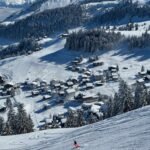
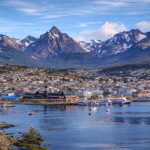
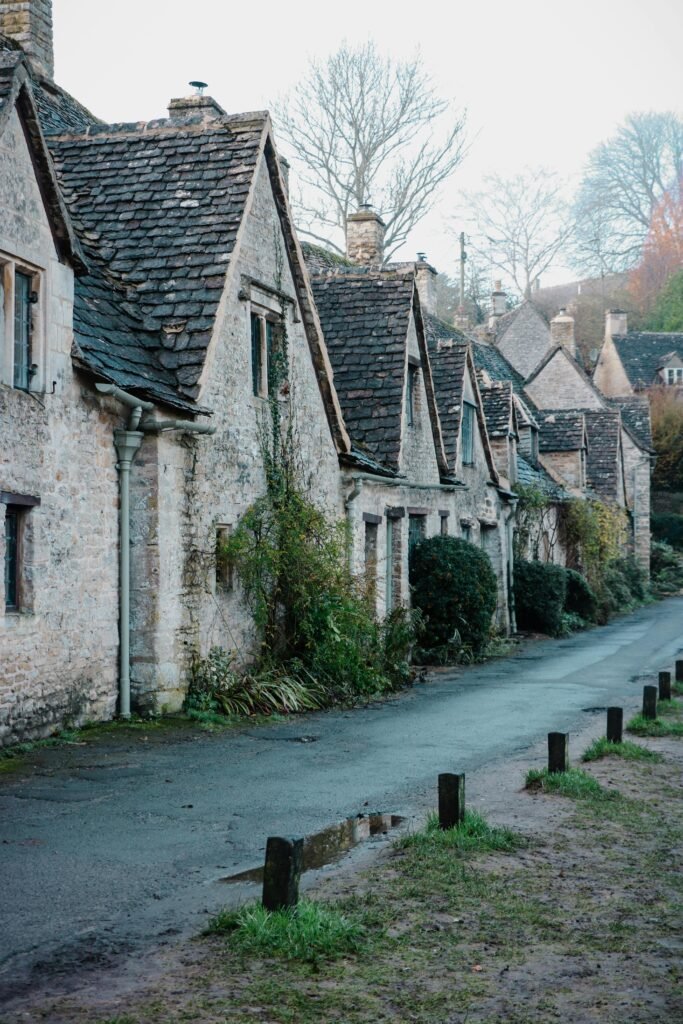
When you hike to secret mountain villages in the Alps, you step into a world that feels timeless and unspoiled. These villages are often tucked away from mainstream tourism, preserving their authentic charm and cultural heritage. Imagine cobblestone streets, traditional wooden chalets, and breathtaking views of snow-capped peaks. It’s the perfect escape for those who crave a genuine connection with nature and history.
Budget-Friendly, Off-the-Beaten-Path Escapes
Traveling to these hidden alpine villages is not only rewarding but also affordable. Since they’re less commercialized, you’ll find lower accommodation prices, cheaper local meals, and fewer tourist traps. For budget travelers, digital nomads, or backpackers, these destinations offer incredible value without compromising on experience. Plus, the journey itself—hiking through pristine trails—is free and unforgettable.
Immersive Nature and Cultural Experiences
Hiking to these villages allows you to fully immerse yourself in both the natural and cultural wonders of the Alps. You’ll traverse lush meadows, dense forests, and crystal-clear streams, all while soaking in the tranquility of the mountains. Once you arrive, you’ll have the chance to meet locals, taste traditional cuisine, and learn about centuries-old traditions. It’s a holistic experience that combines adventure, culture, and relaxation.
- Authentic experiences: Engage with local customs and traditions.
- Affordable travel: Save on accommodation, food, and activities.
- Natural beauty: Explore untouched landscapes and scenic trails.
- Cultural immersion: Connect with locals and their way of life.
Top 5 Secret Alpine Villages to Hike To
Alpe di Siusi, Italy: Meadows and Dolomite Vistas
Nestled in the heart of the Dolomites, Alpe di Siusi is Europe’s largest high-altitude alpine meadow. This picturesque village is a hiker’s paradise, offering trails that wind through lush meadows, dense forests, and past towering limestone peaks. The views of the Dolomites are nothing short of breathtaking, making it an ideal spot for photographers and nature lovers. Pro tip: Visit during sunrise or sunset for the most magical light over the landscape. Budget travelers will appreciate the affordable mountain huts and guesthouses dotted around the area.
Gimmelwald, Switzerland: Car-Free Charm and Waterfalls
Perched on a cliffside in the Bernese Oberland, Gimmelwald is a car-free village that feels like stepping back in time. Its charm lies in its simplicity—wooden chalets, blooming wildflowers, and the sound of waterfalls cascading down the mountainside. Hiking trails here range from easy strolls to challenging climbs, with options for all fitness levels. For budget-conscious travelers, the village offers affordable accommodations with stunning views. Don’t miss the nearby Trümmelbach Falls, a series of glacier-fed waterfalls carved into the mountain.
Leutasch, Austria: Fairytale Valleys and Ridge Trails
In the Austrian Tyrol, Leutasch is a hidden gem surrounded by fairytale-like landscapes. The Leutasch Valley is a haven for hikers, with trails that take you through lush green meadows, alongside crystal-clear streams, and up to panoramic ridge trails. The village itself is quaint and peaceful, making it perfect for couples or solo travelers seeking serenity. Budget-friendly guesthouses and local eateries serving hearty Austrian cuisine add to its appeal. For an unforgettable experience, hike the Leutasch Gorge Trail and marvel at its wooden footbridges and waterfalls.
Ristolas, France: Remote Queyras Paradise
Tucked away in the Queyras Regional Park, Ristolas is a remote alpine village that feels like a secret paradise. Known for its unspoiled nature and tranquil atmosphere, it’s a dream destination for ecotourists and adventurers. The hiking trails here lead to high-altitude lakes, wildflower-filled meadows, and panoramic mountain views. Ristolas is also one of the most affordable destinations in the French Alps, with charming gîtes and campgrounds for budget travelers. Pro tip: Pack a picnic and hike to Lac Foréant for a serene lunch by the water.
Binn, Switzerland: Hidden Gem with Crystal-Clear Rivers
Located in the Valais region, Binn is a lesser-known alpine village surrounded by rugged mountains and crisscrossed by crystal-clear rivers. The Binntal Valley is a hiker’s delight, offering trails that pass through blooming meadows, ancient larch forests, and past sparkling mineral springs. Binn is also known for its unique geology, with opportunities for rock hounding and exploring hidden caves. Budget travelers will find cozy guesthouses and local inns that won’t break the bank. For a truly off-the-beaten-path experience, hike to the remote Faldum Valley, where you’ll have the trail mostly to yourself.
Best Hiking Trails to Reach These Villages
Difficulty Levels and Estimated Trek Times
Whether you’re a seasoned hiker or a beginner, there’s a trail for everyone. Here’s a quick breakdown:
- Easy Trails: Perfect for families or first-time hikers. These routes are well-marked and take 2-3 hours to complete. Example: The trail to Village A is mostly flat with gentle slopes.
- Moderate Trails: Ideal for those with some hiking experience. Expect 4-6 hours of trekking with occasional steep sections. The path to Village B offers stunning views but requires a bit of stamina.
- Challenging Trails: For adventurers seeking a thrill. These can take 7+ hours and involve rugged terrain. The hike to Village C is rewarding but demands preparation and endurance.
Trail Highlights: Wildlife, Viewpoints, and Flora
Each trail is a journey through nature’s wonders. Here’s what to look out for:
- Wildlife: Keep an eye out for marmots, ibex, and even the occasional golden eagle. Early mornings are the best time for sightings.
- Viewpoints: Don’t forget your camera! The trail to Village D offers panoramic views of the Alps, especially at sunrise.
- Flora: Alpine meadows burst with wildflowers in summer. Look for edelweiss, gentians, and alpine roses along the way.
Navigation Tips: Maps, Offline Apps, and Markings
Getting lost is no fun, so here’s how to stay on track:
- Maps: Always carry a physical map as a backup. Local tourist offices often provide detailed hiking maps for free or at a low cost.
- Offline Apps: Apps like Maps.me or AllTrails are lifesavers when you’re off the grid. Download the trail maps before you start.
- Markings: Trails are well-marked with colored signs and painted rocks. Look for yellow diamonds for moderate trails and red-and-white stripes for challenging ones.
Remember, preparation is key. Pack enough water, snacks, and layers for changing weather. Happy hiking!
Budget Tips for Hiking the Alps
Affordable Refuges and Guesthouses
One of the best ways to save money while hiking the Alps is by staying in mountain refuges or guesthouses. These accommodations are often more affordable than hotels and offer a unique experience. Many refuges provide basic amenities like beds, blankets, and meals, making them perfect for budget travelers. For example, the Swiss Alpine Club and Italian Alpine Club run several budget-friendly refuges throughout the region. Booking in advance is key, especially during peak seasons, as these spots fill up quickly.
Packing Light to Save on Gear Costs
Packing light isn’t just convenient—it can also save you money. Many airlines charge extra for heavy luggage, and hiring gear on-site can be pricey. Focus on multi-functional items like a lightweight jacket that doubles as a raincoat or trekking poles that can be disassembled for easy transport. Renting equipment like crampons or ice axes at your destination can also be more cost-effective than buying them if you’re not a frequent hiker. Remember, the less you carry, the more you’ll enjoy the journey!
Local Eateries vs. Self-Catering Options
When it comes to food, you have two great budget-friendly options: local eateries and self-catering. Many Alpine villages have cozy, family-run restaurants where you can enjoy hearty meals at reasonable prices. Alternatively, consider self-catering by shopping at local grocery stores or markets. Many refuges and guesthouses have shared kitchens where you can prepare your own meals. Here’s a quick comparison:
- Local Eateries: Great for trying regional dishes and meeting locals.
- Self-Catering: Perfect for saving money and sticking to your dietary preferences.
Whichever option you choose, be sure to try some local specialties like cheese fondue in Switzerland or speck (cured ham) in Austria—they’re worth the splurge!
Essential Gear for Alpine Village Hikes
Must-Have Clothing for Changing Mountain Weather
When hiking to secret Alpine villages, the weather can shift dramatically in minutes. Layering is your best friend. Start with a moisture-wicking base layer to keep sweat at bay, add an insulating mid-layer like a fleece or down jacket, and top it off with a waterproof and windproof outer shell. Don’t forget:
- Quick-dry hiking pants or leggings
- A warm hat and gloves (even in summer!)
- Sturdy, waterproof hiking boots with good ankle support
- Extra socks to keep your feet dry and blister-free
Lightweight Backpacking Essentials
Packing light is key, but don’t skimp on the essentials. A comfortable, lightweight backpack with padded straps is a must. Here’s what to include:
- A reusable water bottle or hydration bladder (stay hydrated!)
- High-energy snacks like nuts, dried fruit, or energy bars
- A compact map or GPS devicecell service can be spotty)
- A lightweight, packable rain cover for your backpack
Safety Items: First Aid and Emergency Contacts
Safety should always come first, especially in remote mountain areas. Pack a basic first aid kit with bandages, antiseptic wipes, pain relievers, and any personal medications. Other safety essentials include:
- A whistle to signal for help if needed
- A headlamp or flashlight with extra batteries
- A portable phone charger or power bank
- Emergency contact information, including local mountain rescue numbers
Remember, preparation is the key to a safe and enjoyable hike. With the right gear, you’ll be ready to tackle any challenge the Alps throw your way!
Combining Work and Adventure (For Digital Nomads)
Villages with Reliable Wi-Fi for Remote Work
For digital nomads, finding a balance between work and adventure is essential. The Alps are home to several secret mountain villages that offer reliable Wi-Fi, making them perfect for remote work. Villages like Gimmelwald in Switzerland and Alagna Valsesia in Italy provide not only stunning views but also the infrastructure needed to stay connected. These villages often have local cafes or co-working spaces where you can set up your laptop and work efficiently.
Cozy Mountain Huts with Workspaces
Imagine working from a cozy mountain hut, surrounded by breathtaking alpine scenery. Many mountain huts in the Alps now cater to digital nomads by offering dedicatedpaces with high-speed internet. Huts like Berghaus Aescher in Switzerland and Rifugio Lagazuoi in Italy are perfect examples. These huts provide a unique blend of comfort and productivity, allowing you to work during the day and enjoy the tranquility of the mountains in the evening.
Balancing Hikes and Productivity
One of the biggest challenges for digital nomads in the Alps is balancing work with the urge to explore. Here are some practical tips to help you stay productive while enjoying the adventure:
- Plan your day: Start your day early with a hike, then dedicate the afternoon to work. This way, you can enjoy the best of both worlds.
- Use portable gear: Invest in lightweight, portable work gear like a compact laptop and a portable Wi-Fi hotspot to stay connected on the go.
- Set boundaries: Allocate specific times for work and adventure to ensure you stay productive without missing out on the experience.
By choosing the right villages and huts, and planning your days effectively, you can seamlessly combine work and adventure in the Alps. Whether you’re a seasoned digital nomad or just starting out, these tips will help you make the most of your time in these secret mountain villages.
Solo & Family-Friendly Hiking Tips
Safe Trails for Solo Travelers
Exploring the Alps solo can be a deeply rewarding experience, but safety should always come first. Choose well-marked trails that are frequently traveled, such as those leading to popular secret mountain villages. Always inform someone of your itinerary and expected return time. Carry a map, a fully charged phone and a basic first-aid kit. If you’re unsure about a route, consider hiring a local guide for added security and insider knowledge.
Kid-Friendly Routes and Village Stays
Traveling with kids? Opt for gentle, well-maintained trails that are suitable for little legs. Many secret mountain villages in the Alps offer family-friendly accommodations, such as cozy chalets or guesthouses with play areas. Look for routes with shorter distances and plenty of rest stops. Villages like these often have local activities, such as cheese-making workshops or storytelling sessions, to keep children entertained while immersing them in the culture.
Group Hiking Benefits and Local Guides
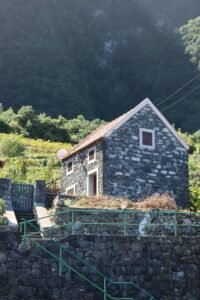
Hiking in a group not only enhances safety but also makes the experience more enjoyable. Local guides can provide fascinating insights into the history, flora, and fauna of the region, enriching your journey. They also know the best spots for breathtaking views and hidden gems. For budget travelers, splitting the cost of a guide among a group can make this option more affordable. Plus, group hikes often lead to new friendships and shared memories.
FAQs
- Are there any trails suitable for beginners?
- Yes, many trails in the Alps are beginner-friendly, especially those leading to secret mountain villages. Look for routes labeled as “easy” or “family-friendly.”
- What should I pack for a family hike?
- Essentials include snacks, water, sunscreen, hats, and extra layers for changing weather. Don’t forget a small first-aid kit and a map or GPS device.
- Is it safe to hike alone in the Alps?
- Yes, as long as you stick to well-marked trails, inform someone of your plans, and carry the necessary safety gear. Consider hiring a guide for added security.
Whether you’re a solo adventurer, a family with kids, or part of a group, the Alps offer something for everyone. With these tips, you’ll be well-prepared to explore the hidden mountain villages and create unforgettable memories. Happy hiking!

About Grace Castle
Grace Castle, 29, is a passionate traveler and digital nomad who turned her love for exploring the world into a career. With years of experience traveling across different countries, she has mastered the art of smart travel planning, working remotely while discovering new destinations.
An expert in budget travel, local culture, and remote work, Grace shares valuable tips for those looking to travel more while spending less. Her mission is to help fellow travelers explore the world with ease, safety, and authentic experiences.
When she’s not writing about her adventures, Grace can be found discovering cozy cafés, learning new languages, or planning her next trip.