 Introduction to Canada’s Lakes
 Introduction to Canada’s Lakes
Why Canada is a Paradise for Lake Lovers
Canada is home to over two million lakes, making it a dream destination for anyone who loves serene waters, breathtaking landscapes, and outdoor adventures. From the crystal-clear waters of Lake Louise to the vast expanses of Great Bear Lake, each body of water offers a unique experience. Whether you’re looking to kayak, swim, or simply soak in the views, Canada’s lakes provide endless opportunities to connect with nature. What’s more, many of these lakes are accessible without the need for expensive tours, allowing you to explore at your own pace and on your own terms.
Benefits of Exploring Lakes Without a Tour
Opting to explore Canada’s lakes without a guided tour comes with a host of advantages, especially for budget-conscious travelers and adventurers. Here’s why:
- Cost-Effective: Skipping guided tours saves you money, which can be redirected towards accommodations, food, or other experiences.
- Flexibility: You can plan your itinerary based on your interests and pace, whether you’re a solo traveler, a couple, or a family.
- Authentic Experience: Exploring independently allows you to discover hidden gems and lesser-known spots that aren’t on the typical tourist trail.
- Freedom: You’re not tied to a schedule, giving you the freedom to linger by the lakeside or move on when you’re ready.
Whether you’re a digital nomad looking for a peaceful workspace by the water or a backpacker seeking adventure, Canada’s lakes are an accessible and rewarding destination.
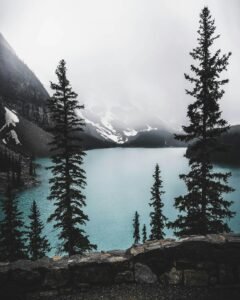
Moraine Lake, Alberta
How to Get There Independently
Reaching Moraine Lake without a tour is straightforward and budget-friendly. Located in Banff National Park, the lake is about a 14-kilometer drive from the village of Lake Louise. If you’re driving, take the Trans-Canada Highway (Highway 1) and follow the signs toward Lake Louise. From there, continue along Moraine Lake Road, a scenic 11-kilometer stretch that leads directly to the lake. Parking is limited, so arrive early to secure a spot—ideally before 8 AM during peak season (June to September).
For those without a car, consider public transportation. The Roam Transit Route 10 connects Banff to Lake Louise, and during summer, a shuttle service runs from Lake Louise to Moraine Lake. Tickets are affordable, and it’s a convenient option for budget travelers and solo adventurers alike.
Best Times to Visit
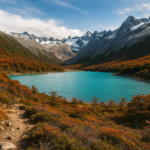
Moraine Lake is a year-round destination, but its turquoise waters are most striking from mid-June to September. This is when the glacier melt fills the lake, creating its iconic sapphire hue. However, this is also the busiest time, so plan accordingly. For a quieter experience, visit in late June or early September, when the crowds thin out but the weather remains pleasant.
Winter visits are magical but less accessible, as the road to Moraine Lake is closed from October to May. If you’re an adventurer, you can still reach the lake via cross-country skiing or snowshoeing, but be prepared for cold temperatures and limited facilities.
Activities to Enjoy
Moraine Lake offers activities for every type of traveler:
- Hiking: The Rockpile Trail is a short, easy hike with panoramic views of the lake. For a more challenging trek, try the Larch Valley Trail, especially stunning in fall when the larch trees turn golden.
- Canoeing: Rent a canoe and paddle across the lake for a unique perspective. It’s a splurge but worth it for the unforgettable experience.
- Photography: Sunrise is the best time to capture the lake’s beauty, as the light transforms the water and surrounding peaks.
- Relaxing: Pack a picnic and enjoy the serene atmosphere. There are plenty of spots along the shoreline to sit and take in the view.
For families, the area is safe and welcoming, with plenty of space for kids to explore. Digital nomads can bring their laptops and work while soaking in the breathtaking scenery—just note that Wi-Fi is limited, so plan ahead with mobile data or offline work.
Emerald Lake, British Columbia
How to Reach This Hidden Gem
Emerald Lake, nestled in Yoho National Park, is a breathtaking destination that feels like stepping into a postcard. To reach this Canadian treasure, you can fly into Calgary International Airport, which is about a two-hour drive away. Renting a car is the most convenient option, giving you the freedom to explore the surrounding areas at your own pace. If you prefer public transport, Greyhound buses and shuttles operate routes to nearby towns like Field and Golden—though keep in mind that you’ll need to arrange local transportation to the lake.
For adventurers or families on a budget, carpooling services like Poparide or rideshare groups can be a cost-effective and eco-friendly way to travel. Plus, they’re a great way to meet fellow travelers. Once you arrive, parking is available at the lake, and the short walk to the shoreline is well worth it.
Budget-Friendly Accommodations Nearby
While Emerald Lake Lodge offers luxurious stays, there are plenty of affordable options for budget travelers. Here are some wallet-friendly picks:
- HI Cathedral Mountain Lodge: Located in Field, this hostel-style accommodation offers dormitory rooms and private cabins. It’s perfect for solo travelers, couples, and families alike.
- Kicking Horse Campground: Just a short drive from Emerald Lake, this campground is ideal for adventurers who love sleeping under the stars. Tent sites are budget-friendly, and amenities include fire pits and picnic tables.
- Golden Eco-Adventure Ranch: A bit further away, this ranch offers affordable cabins and a unique experience with activities like horseback riding and kayaking. It’s a great choice for families and digital nomads looking for a mix of work and play.
For those willing to splurge a little, consider booking a room at Emerald Lake Lodge during the off-season or mid-week, when prices are often lower. You’ll still get that cozy lakeside experience without breaking the bank.
Tips for Saving on Your Trip
Traveling to Emerald Lake doesn’t have to be expensive. Here are a few tips to help you stick to your budget:
- Pack your own snacks and meals. While there are dining options nearby, bringing your own food can save you a significant amount of money.
- Take advantage of free activities like hiking the Emerald Lake Loop Trail or simply relaxing by the water. The scenery is the real star here!
- Visit during the shoulder seasons (spring or fall) to avoid crowds and enjoy lower accommodation rates.
Lake Louise, Alberta
Self-Guided Hiking Trails and Viewpoints
Lake Louise is a hiker’s paradise, offering trails for every skill level. For beginners, the Lakeshore Trail is a flat, scenic walk along the turquoise waters, perfect for soaking in the views without too much effort. For a more challenging adventure, the Plain of Six Glaciers Trail rewards hikers with stunning glacier views and a cozy tea house halfway. If you’re looking for panoramic vistas, the Big Beehive Trail is a must—its viewpoint overlooks the entire lake and surrounding mountains.
Pro Tip: Start early to enjoy the trails in solitude and beat the midday crowds. Pack snacks and water, as amenities on the trails are limited.
How to Avoid Crowds on a Budget
Lake Louise is undeniably popular, but there are ways to enjoy its beauty without the crowds or breaking the bank. Visit during shoulder seasons (late spring or early fall) when the weather is pleasant, and the number of visitors drops significantly. Weekdays are also quieter than weekends, making them ideal for a peaceful experience.
To save money, consider these tips:
- Arrive early or stay late: Parking is free before 7 AM and after 7 PM, and you’ll avoid shuttle fees.
- Use public transportation: Parks Canada’s shuttle system is affordable and eco-friendly, with departures from Banff and Lake Louise.
- Pack your own meals: Dining options near the lake can be pricey, so bring a picnic to enjoy at one of the quieter spots along the shore.
Local Insight: For a quieter alternative to the main lake, head to Moraine Lake early in the morning. While it’s also popular, its smaller size and stunning blue waters make it worth the effort.
Peyto Lake, Alberta
Easy Access Points for Solo Travelers
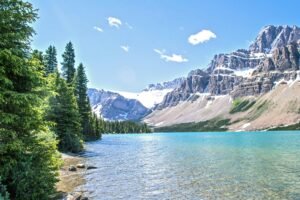
Peyto Lake, located in Banff National Park, is a breathtaking destination that’s surprisingly accessible even for solo travelers. The most convenient way to reach the lake is by car. If you’re driving, head to the Bow Summit along the Icefields Parkway, a scenic route that offers stunning views even before you arrive. There’s a free parking lot available, making it budget-friendly for travelers.
Once parked, you’ll find a well-maintained trail that leads to the viewpoint. The hike is short and manageable, taking about 15-20 minutes each way, and is suitable for all fitness levels. For solo travelers, the trail is safe and well-marked, but it’s always a good idea to let someone know your plans and carry essentials like water and sunscreen.
Photography Tips for Capturing Its Turquoise Beauty
Peyto Lake’s vibrant turquoise waters are a photographer’s dream. To make the most of your visit, consider these practical tips:
- Timing is key: Visit during early morning or late afternoon for the best lighting. The midday sun can cause harsh shadows and overexpose the lake’s color.
- Use a polarizing filter: This helps reduce glare and enhances the lake’s vivid hue, making your photos pop.
- Bring a tripod: For steady shots, especially if you’re experimenting with long exposures or capturing the surrounding landscape.
- Explore different angles: While the main viewpoint is iconic, consider hiking slightly off-trail (safely!) for unique perspectives. Look for spots with interesting foreground elements like rocks or wildflowers.
Remember, patience is your best ally. Wait for the perfect moment when the light hits the water just right, and you’ll capture an unforgettable image.
Lake O’Hara, British Columbia
How to Secure a Spot Without a Guided Tour
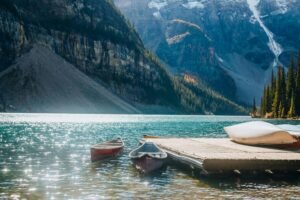
Lake O’Hara is a hidden gem in Yoho National Park, and its popularity means access is limited to protect its pristine beauty. Reservations are essential, and securing a spot without a guided tour requires planning. The Parks Canada reservation system opens in early April, and spots fill up within minutes. Here’s how to increase your chances:
- Set a reminder: Mark the reservation opening date on your calendar and be ready to book as soon as the system goes live.
- Be flexible: Weekdays and shoulder seasons (late spring or early fall) are less competitive.
- Check for cancellations: Last-minute spots sometimes open up due to cancellations.
If you miss the reservation, don’t despair. A limited number of standby seats on the shuttle bus are available on a first-come, first-served basis. Arrive early at the Lake O’Hara parking lot to snag one.
Scenic Hikes Around Lake O’Hara
Once you’re there, the real magic begins. Lake O’Hara is a hiker’s paradise, with trails for all skill levels. Here are some must-do hikes:
- Lake O’Hara Shoreline Trail: An easy, family-friendly walk offering stunning views of the turquoise lake.
- Opabin Plateau: A moderate hike with jaw-dropping alpine vistas and serene lakes.
- Wiwaxy Gap: A challenging climb for adventurers, rewarding you with panoramic views of the surrounding peaks.
Pack layers, as weather can change quickly in the mountains, and bring plenty of water and snacks. Pro tip: Start early to avoid crowds and enjoy the trails in peace.
Remote Camping Tips
For those who want to immerse themselves in the wilderness, camping at Lake O’Hara is an unforgettable experience. The Lake O’Hara Campground is the only option, and it’s as remote as it gets. Here’s how to make the most of it:
- Pack light but smart: You’ll need to carry all your gear, so prioritize essentials like a sturdy tent, warm sleeping bag, and lightweight cooking equipment.
- Follow Leave No Trace principles: Pack out all trash, respect wildlife, and stay on designated trails.
- Be prepared for weather: Nights can be chilly, even in summer, so bring warm clothing and a reliable rain jacket.
Camping here is a privilege, so treat the environment with care. The solitude and starry nights are worth every effort.
Practical Tips for Independent Lake Exploration
Budget-Friendly Transportation Options
Exploring Canada’s stunning lakes doesn’t have to break the bank. Here are some wallet-friendly ways to get around:
- Public Transit: Many lakes near urban areas are accessible by buses or trains. Check local schedules for affordable options.
- Carpooling: Platforms like Poparide or local Facebook groups can connect you with drivers heading to your destination.
- Biking: For nearby lakes, consider renting a bike or bringing your own for a scenic and eco-friendly ride.
- Hitchhiking: While not for everyone, hitchhiking is a common practice in rural areas. Always prioritize safety and trust your instincts.
Essential Gear and Safety Advice
Being prepared ensures a smooth and enjoyable lake adventure. Here’s what you’ll need:
- Layered Clothing: Weather can change quickly, so pack layers to stay warm and dry.
- Waterproof Gear: A rain jacket and dry bag are must-haves for unpredictable conditions.
- Navigation Tools: Bring a map, compass, or GPS device, especially if you’re venturing into remote areas.
- First Aid Kit: Always carry basic supplies for minor injuries or emergencies.
- Hydration and Snacks: Pack plenty of water and energy-boosting snacks for long hikes or paddles.
Pro Tip: Let someone know your itinerary and expected return time, especially if you’re exploring alone.
How to Respect Nature and Leave No Trace
Canada’s lakes are treasures worth preserving. Follow these principles to minimize your impact:
- Pack It In, Pack It Out: Take all trash with you, including biodegradable items like fruit peels.
- Stay on Trails: Avoid trampling vegetation or disturbing wildlife by sticking to designated paths.
- Camp Responsibly: Use established campsites and keep fires small or use a camp stove.
- Respect Wildlife: Observe animals from a distance and never feed them.
- Leave What You Find: Avoid picking plants or taking natural souvenirs.
By following these tips, you’ll not only enjoy your adventure but also help protect these beautiful landscapes for future generations.
FAQ
- What’s the best time to visit Canadian lakes?
- Summer (June to August) offers warm weather and ideal conditions for swimming and hiking. Fall (September to October) is perfect for colorful foliage and fewer crowds.
- Are there any free camping spots near lakes?
- Yes, many lakes have crown land or backcountry camping options. Always check local regulations and obtain necessary permits.
- How can I stay safe while swimming in lakes?
- Always swim in designated areas, avoid swimming alone, and be cautious of cold water temperatures, even in summer.
With these practical tips, you’re ready to embark on an unforgettable lake adventure in Canada. Happy exploring!

About Grace Castle
Grace Castle, 29, is a passionate traveler and digital nomad who turned her love for exploring the world into a career. With years of experience traveling across different countries, she has mastered the art of smart travel planning, working remotely while discovering new destinations.
An expert in budget travel, local culture, and remote work, Grace shares valuable tips for those looking to travel more while spending less. Her mission is to help fellow travelers explore the world with ease, safety, and authentic experiences.
When she’s not writing about her adventures, Grace can be found discovering cozy cafés, learning new languages, or planning her next trip.