
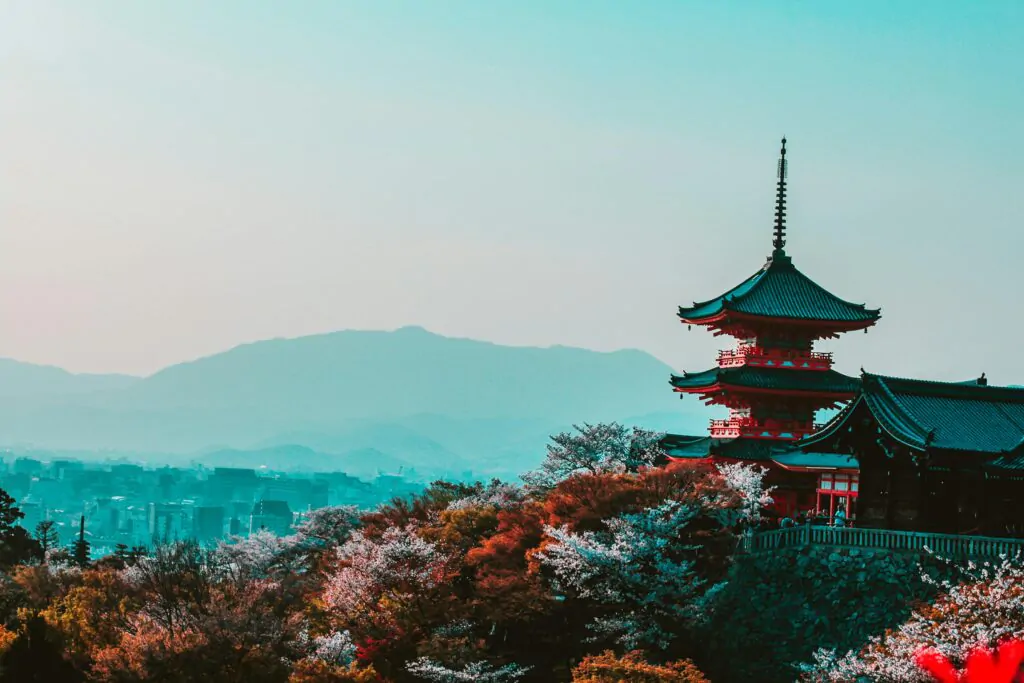
Introduction to Japanese Etiquette
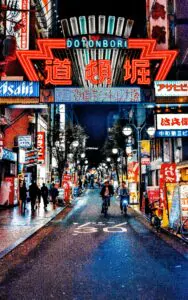
Why Understanding Etiquette is Crucial for Travelers
When visiting Japan, understanding local etiquette isn’t just a nice-to-have—it’s essential. Japanese culture places a high value on respect, harmony, and mindfulness, and these principles are deeply woven into everyday interactions. For travelers, knowing the basics of Japanese etiquette can make your trip smoother, more enjoyable, and more respectful to the locals. Whether you’re navigating public transportation, dining at a restaurant, or visiting a temple, a little cultural awareness goes a long way in avoiding misunderstandings and showing appreciation for the host culture.
How Japanese Culture Values Respect and Harmony
In Japan, respect and harmony are the cornerstones of social interactions. This is reflected in everything from the way people greet each other to how they handle public spaces. For example, bowing is a common gesture of respect, and maintaining cleanliness in shared areas is seen as a way to contribute to societal harmony. Here are a few key ways this cultural emphasis manifests:
- Politeness: Japanese people often use honorific language and gestures to show respect, even in casual settings.
- Quietness: Loud conversations or disruptive behavior in public spaces are generally frowned upon.
- Consideration: Actions like removing shoes before entering a home or avoiding eating while walking are small but meaningful ways to show respect for others.
By embracing these values, you’ll not only blend in more easily but also gain a deeper appreciation for the beauty of Japanese culture.
Greetings and Bowing
When visiting Japan, understanding the nuances of greetings and bowing is essential. These practices are deeply rooted in Japanese culture and reflect respect, politeness, and social harmony. Whether you’re a budget traveler, a digital nomad, or a family exploring Japan, mastering these basics will help you connect more meaningfully with locals and enhance your experience.
The Art of Bowing: When and How to Do It
Bowing, or ojigi, is a cornerstone of Japanese etiquette. It’s not just a simple gesture—it’s a way to express gratitude, apologize, or show respect. Here’s a quick guide to bowing like a pro:
- Casual bow (15 degrees): Perfect for everyday interactions, such as greeting a shopkeeper or saying thank you. Keep your hands at your sides or in front of you.
- Formal bow (30 degrees): Used in more formal settings, like meeting someone for the first time or in a business context. This bow lasts slightly longer and requires a more respectful posture.
- Deep bow (45 degrees): Reserved for sincere apologies or situations requiring the highest level of respect. Keep your back straight and your hands on your thighs.
Remember, eye contact is minimal during a bow, as it’s considered polite to lower your gaze slightly.
Common Japanese Greetings and Their Meanings
Greetings in Japan are simple yet meaningful. Here are some of the most common ones you’ll encounter:
| Greeting | Meaning | When to Use |
|---|---|---|
| Konnichiwa | Hello / Good afternoon | Used from mid-morning to early evening. A versatile greeting for most situations. |
| Ohayou gozaimasu | Good morning | Use this in the morning until around 10 or 11 AM. Add “gozaimasu” for formality. |
| Konbanwa | Good evening | Appropriate when meeting someone after sunset. |
| Arigatou | Thank you | Use casually to express gratitude. Add “gozaimasu” for politeness. |
| Sumimasen | Excuse me / Sorry | Use to get someone’s attention or to apologize. A versatile phrase for travelers. |
Pro tip: When in doubt, a smile and a slight bow paired with one of these greetings will go a long way in showing respect and friendliness.
Dining Etiquette
Proper Use of Chopsticks and Table Manners
When dining in Japan, mastering the art of chopsticks is essential. Never stick chopsticks upright into a bowl of rice, as this resembles a funeral ritual and is considered highly disrespectful. Instead, rest them on the provided chopstick holder or the edge of your plate. Additionally, avoid passing food directly from one pair of chopsticks to another, as this is reminiscent of a funeral custom.
Other table manners to keep in mind:
- Say “itadakimasu” before starting your meal, which expresses gratitude for the food.
- Finish your plate to show appreciation for the meal.
- Slurping noodles is not only acceptable but also a sign that you’re enjoying the dish.
Tipping Culture (or Lack Thereof) in Japan
One of the most refreshing aspects of dining in Japan is the absence of tipping culture. Unlike many Western countries, tipping is not expected and can even be seen as awkward or rude. The price you see on the menu is the price you pay, and service is already included in the cost. This makes budgeting for meals straightforward and stress-free, especially for budget travelers.
If you’re dining at a high-end restaurant or receiving exceptional service, a simple “arigatou gozaimasu” (thank you) is more than enough to express your gratitude. Remember, the Japanese take pride in their hospitality, and tipping is not part of their tradition.
Public Behavior and Transportation
Quietness and Cleanliness in Public Spaces
Japan is renowned for its emphasis on quietness and cleanliness, and as a visitor, it’s important to respect these cultural norms. Whether you’re exploring bustling cities or serene temples, you’ll notice that public spaces are meticulously maintained. Avoid littering, as trash bins are rare, and consider carrying a small bag for your waste. Speaking softly, especially in quiet zones like parks, temples, and residential areas, shows respect for the local culture. This mindfulness extends to public restrooms, which are spotless—always leave them as you found them.
Etiquette on Trains, Buses, and Subways
Japan’s public transportation system is a marvel of efficiency, but it comes with its own set of unwritten rules that ensure a smooth experience for everyone.
- Silence is golden: Keep conversations to a minimum and avoid phone calls. Most passengers use headphones to listen to music or watch videos, ensuring the environment remains peaceful.
- Queue politely: When waiting for trains or buses, form orderly lines and wait for others to exit before boarding. This is especially important during peak hours.
- Priority seating: Seats marked for elderly, disabled, or pregnant passengers should be left available unless absolutely necessary. If you’re seated in a regular spot and notice someone in need, offering your seat is a kind gesture.
- Mind personal space: Trains can get crowded, so keep your belongings close and avoid taking up extra space with bags or backpacks. On long-distance trains, storing luggage in designated areas is recommended.
- No eating or drinking: While it’s acceptable to have a quick snack on long-distance trains, eating or drinking on local trains, buses, and subways is generally frowned upon.
By following these simple guidelines, you’ll blend in seamlessly and contribute to the harmony that makes Japan’s public transportation system one of the best in the world. Whether you’re a budget traveler, a digital nomad, or a family on vacation, these tips will help you navigate Japan’s transit network with ease.
Visiting Temples and Shrines
Rituals for Entering and Praying at Sacred Sites
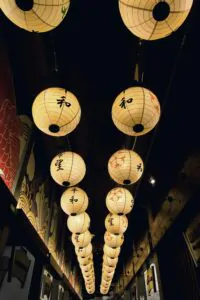
When visiting temples and shrines in Japan, it’s essential to understand the basic rituals to show respect. Here’s a simple guide to help you navigate these sacred spaces:
- Purification at the Temizuya: Before entering, you’ll often find a water basin called a temizuya. Use the ladle to wash your left hand, then your right hand, rinse your mouth (avoid drinking the water), and finally, hold the ladle vertically to let the remaining water cleanse the handle.
- Approaching the Main Hall: Walk calmly and quietly. Avoid the center of the path, as it’s reserved for the deities.
- Making an Offering: At shrines, toss a coin (5-yen coins are considered lucky) into the offering box. Bow twice, clap your hands twice, pray silently, and finish with one final bow.
- Praying at Temples: Instead of clapping, simply bow, fold your hands, and offer a silent prayer. Light incense if available, and let the smoke wash over you for purification.
Proper Attire and Behavior in Religious Spaces
While Japan is generally relaxed about dress codes, temples and shrines require a bit more consideration. Here’s how to ensure you’re dressed and behaving appropriately:
- Dress Modestly: Avoid revealing clothing. Cover your shoulders and knees. When in doubt, think conservative.
- Remove Your Shoes: Some temples require you to take off your shoes before entering. Look for signs or shoe racks, and wear socks to make this process more comfortable.
- Mind Your Behavior: Speak softly, avoid loud laughter, and turn off your phone or set it to silent mode. Photography is often allowed, but check for signs prohibiting it in certain areas.
- Respect Sacred Objects: Do not touch or lean on statues, altars, or other religious items. Some areas may be off-limits to visitors.
Tips for Budget-Conscious Travelers
Visiting temples and shrines can be an affordable way to immerse yourself in Japanese culture. Here are some money-saving tips:
- Free or Low-Cost Entry: Many temples and shrines are free to enter, while others charge a small fee (usually between 300-1000 yen). Prioritize free sites or purchase combination tickets if available.
- Bring Your Own Omamori: Instead of buying new charms or amulets, reuse an old one or make a small donation instead.
- Visit During Off-Peak Hours: Early mornings or late afternoons are less crowded, giving you a more peaceful and meaningful experience.
For Digital Nomads and Solo Travelers
If you’re working remotely or traveling alone, temples and shrines can offer a serene escape from busy cities. Consider bringing a notebook or laptop to journal or work in the tranquil surroundings. Many sites have nearby cafés with reliable Wi-Fi for post-visit productivity.
Onsen and Bathhouse Etiquette
Steps for Using an Onsen or Public Bath
Visiting an onsen or public bath in Japan is a must-try experience, but it comes with its own set of rules. Here’s a step-by-step guide to help you navigate it like a pro:
- Before Entering: Remove your shoes at the entrance. Most places provide lockers or baskets for your belongings.
- Shower First: Thoroughly wash and rinse your body at the shower stations before entering the bath. This is non-negotiable and ensures the water stays clean for everyone.
- No Swimwear: Enter the bath completely nude. It may feel unusual at first, but it’s the cultural norm.
- Be Respectful: Keep your towel out of the water. Many people place it on their heads or on the side of the bath.
- Relax: Soak and enjoy! Once you’re done, rinse off again before leaving the bathing area.
Tattoo Policies
Tattoos in Japan have historical associations with organized crime, so many onsens and public baths have strict no-tattoo policies. However, attitudes are slowly changing, and some places are more lenient, especially in tourist-heavy areas. Here’s what you can do:
- Check Ahead: Research beforehand to find tattoo-friendly onsens. Websites and apps often list these spots.
- Cover Up: Use waterproof bandages or patches to conceal small tattoos if the policy is unclear.
- Private Onsen: If you’re uncomfortable navigating these policies, consider booking a private onsen experience.
Cultural Considerations
Understanding the cultural context of onsen etiquette will make your experience more enjoyable and respectful:
- Gender Separation: Most onsens are gender-segregated, but some mixed-gender baths (called konyoku) still exist. Know what to expect before entering.
- Silence is Golden: Onsens are places of relaxation. Keep conversations hushed and avoid loud noises.
- Drink Water: Soaking in hot water can dehydrate you. Drink plenty of water before and after your bath.
“The onsen experience is about more than just bathing—it’s a chance to connect with Japanese culture and unwind in a way that’s deeply rooted in tradition.”
Whether you’re a first-time visitor or a seasoned traveler, embracing these practices will make your onsen visit a memorable and authentic part of your Japan adventure.
Shopping and Tipping
Handling Money and Transactions Politely
When shopping in Japan, you’ll notice that cash is still widely used, especially in smaller shops, traditional markets, and rural areas. While credit cards are becoming more accepted in cities, it’s a good idea to carry yen with you. Here are some tips for handling money politely:
- Always place money on the tray provided at the counter—handing cash directly to the cashier is considered impolite.
- Receive change with both hands to show respect and gratitude.
- Be mindful of the “o-kaikei” signal—when the cashier points to the amount due, it’s your cue to pay.
Why Tipping is Not Customary in Japan
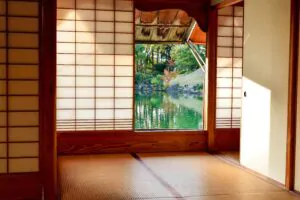
One of the most common questions travelers have is about tipping. In Japan, tipping is not expected or encouraged. In fact, it can sometimes cause confusion or embarrassment. Here’s why:
- Japanese culture values pride in one’s work—excellent service is standard and not tied to financial incentives.
- If you try to tip, it may be politely refused, as it can be seen as implying the person needs extra money.
- Instead of tipping, a simple “arigatou gozaimasu” (thank you) and a smile go a long way.
FAQ: Shopping and Tipping in Japan
Here are some quick answers to common questions:
- Can I use credit cards everywhere in Japan?
- No, especially in smaller shops or rural areas. Always carry some cash as a backup.
- What should I do if someone refuses my tip?
- Don’t insist. Respect their preference and express gratitude verbally instead.
- Are there any exceptions to the no-tipping rule?
- Some high-end ryokans (traditional inns) or private tours may include service fees, but tipping is never obligatory.

About Grace Castle
Grace Castle, 29, is a passionate traveler and digital nomad who turned her love for exploring the world into a career. With years of experience traveling across different countries, she has mastered the art of smart travel planning, working remotely while discovering new destinations.
An expert in budget travel, local culture, and remote work, Grace shares valuable tips for those looking to travel more while spending less. Her mission is to help fellow travelers explore the world with ease, safety, and authentic experiences.
When she’s not writing about her adventures, Grace can be found discovering cozy cafés, learning new languages, or planning her next trip.