Introduction to Traditional Dances in West Africa

Why Traditional Dances Are a Window into West African Culture
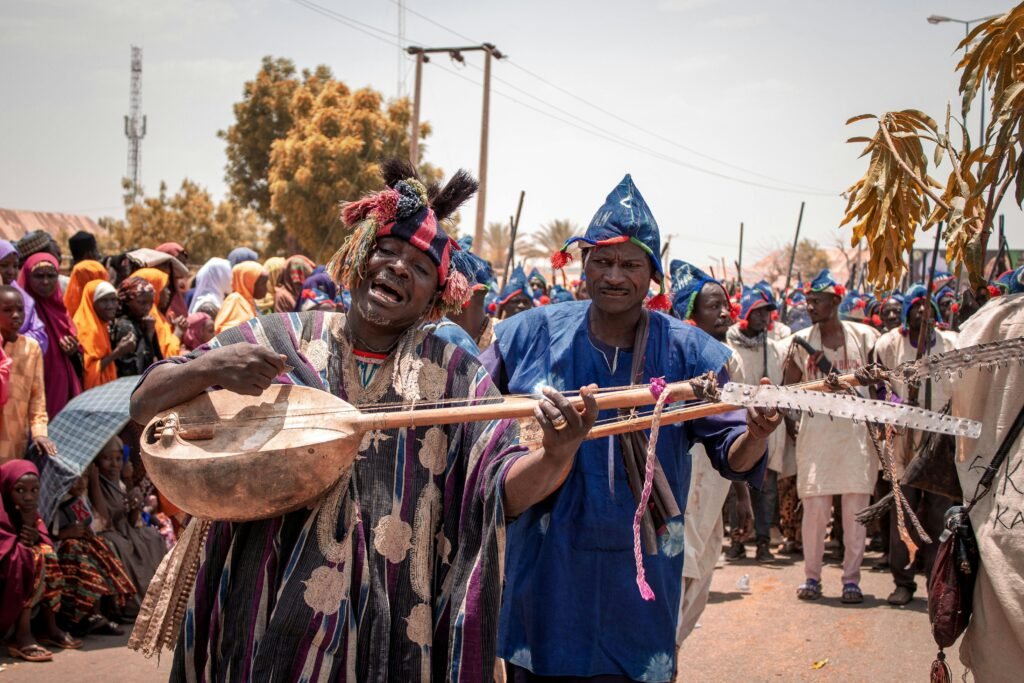
Traditional dances in West Africa are more than just movement—they are a vibrant expression of history, values, and identity. Each dance tells a story, whether it’s about harvest celebrations, spiritual rituals, or community milestones. For travelers, participating in or observing these dances offers a unique opportunity to connect deeply with the local culture. It’s like stepping into a living museum, where every step, rhythm, and gesture carries meaning.
By engaging with traditional dances, you gain insights into the shared heritage and artistic traditions of West African communities. These dances often incorporate music, costumes, and rituals that have been passed down through generations. For budget travelers and cultural tourists, this is a priceless experience that doesn’t require much spending—just an open mind and a willingness to learn.
The Role of Dance in West African Communities
In West Africa, dance is a cornerstone of community life. It’s not just entertainment; it’s a way to strengthen social bonds, celebrate achievements, and mark important events. For instance, dances are often performed during weddings, funerals, and festivals, bringing people together in a shared experience.
Here are some key roles of dance in West African communities:
- Cultural Preservation: Dances keep ancestral traditions alive, ensuring they’re not lost to time.
- Social Cohesion: Dancing fosters unity and a sense of belonging within the community.
- Spiritual Connection: Many dances are tied to religious or spiritual practices, serving as a bridge between the physical and the divine.
- Storytelling: Through movement, dancers narrate historical events, myths, and moral lessons.
For digital nomads, solo travelers, and families, understanding this cultural significance can enrich your journey. Participating in local dance workshops or attending community performances can be a memorable and authentic way to experience West Africa. Plus, it’s an activity that’s often free or low-cost, making it perfect for budget-conscious adventurers.
Best Destinations to Learn Traditional Dances
Ghana: The Land of Adowa and Kpanlogo
Ghana is a treasure trove of traditional dances, offering travelers a chance to immerse themselves in its rich cultural heritage. The Adowa dance, often performed at weddings and funerals, is a graceful expression of storytelling through movement. For a more energetic experience, try the Kpanlogo, a lively dance that originated in Accra and reflects the youthful spirit of the Ga people. Best part? Many local cultural centers offer affordable classes, making it accessible for budget travelers and digital nomads alike. Don’t forget to visit the National Dance Company in Accra for an unforgettable performance!
Senegal: Sabar and Djembe Rhythms
Senegal is a paradise for dance enthusiasts, especially those drawn to rhythm and percussion. The Sabar dance, performed to the beats of the traditional drum of the same name, is a vibrant and communal experience often seen at celebrations. Meanwhile, the Djembe rhythm, though originally from Mali, has found a second home in Senegal, where workshops and classes are widely available. For solo travelers or young couples, joining a local dance circle in Dakar is a fantastic way to connect with the culture and locals. Plus, the cost of living in Senegal is relatively low, making it ideal for budget-conscious adventurers.
Nigeria: The Vibrant Afrobeats and Bata Dance
Nigeria is synonymous with energy and rhythm, and its traditional dances are no exception. The globally popular Afrobeats style has its roots in traditional Nigerian dances, and learning it here is a unique experience. For a deeper dive into Yoruba culture, try the Bata dance, often performed alongside the sacred Bata drum. Lagos, with its bustling dance studios and cultural events, is the perfect place to start your journey. Families traveling with children will also find plenty of opportunities to enjoy these dances at festivals and workshops designed for all ages.
How to Start Your Dance Journey
Finding Local Dance Classes and Workshops
Embarking on your dance journey in West Africa begins with finding the right class or workshop that fits your style and schedule. Start by asking locals for recommendations—vendors, hotel staff, or even fellow travelers often know the best spots. Community centers, cultural hubs, and local schools are great places to inquire about dance lessons. Alternatively, check online platforms or social media groups where dance instructors or studios post schedules and updates. Many cities also host drop-in classes, which are perfect for travelers with flexible itineraries.
If you’re on a budget, look for free or low-cost workshops offered during cultural festivals or events. These are often hosted by skilled dancers eager to share their heritage. For digital nomads or long-term travelers, some studios offer discounted packages for multiple sessions. Remember, the key is to stay open-minded and embrace the local culture—this is your chance to immerse yourself in an authentic experience!
What to Expect in a Typical Dance Session
Walking into your first West African dance class can feel exciting yet overwhelming, but don’t worry—everyone starts somewhere! Most sessions begin with a warm-up to get your body moving and ready for the rhythm-heavy movements. Expect a lot of percussive music, often played live with drums like the djembe or dunun, which adds to the vibrant atmosphere.
- Group Dynamics: Classes are typically group-oriented, fostering a sense of community. You’ll often be paired with others, encouraging collaboration and shared learning.
- Step-by-Step Instruction: Instructors break down each movement, making it accessible for beginners. Don’t stress if you don’t get it right away—practice is part of the fun!
- Cultural Context: Many teachers share the history and significance of the dance, giving you a deeper understanding of the art form.
Sessions usually end with a cool-down and sometimes a group performance or sharing circle. Wear comfortable, breathable clothing and bring water—West African dances are energetic and can be quite a workout. Above all, come with an open heart and a willingness to learn—it’s all about enjoying the journey!
Tips for Budget Travelers
Affordable Ways to Learn and Participate in Dance
Learning traditional dances in West Africa doesn’t have to break the bank. Here are some wallet-friendly ways to immerse yourself in the rhythm and culture:
- Local Dance Workshops: Many communities offer informal dance workshops at a fraction of the cost of formal classes. Ask around in markets or community centers for recommendations.
- Festivals and Cultural Events: Attend local festivals where traditional dances are performed. These events often include opportunities for visitors to join in and learn from the dancers themselves.
- Homestays: Staying with a local family can provide an authentic experience and often includes cultural activities like dance lessons as part of the stay.
- Bartering Skills: If you have a skill to offer—like teaching English or photography—consider exchanging your expertise for dance lessons.
Combining Dance with Other Cultural Activities
Maximize your experience by blending dance with other cultural activities. Here’s how to make the most of your time and money:
- Local Markets: After a morning dance class, explore nearby markets for handmade crafts and traditional attire. It’s a great way to connect with the culture and support local artisans.
- Cooking Classes: Pair your dance lessons with a cooking class to learn how to prepare traditional West African dishes. Many communities offer these as affordable packages.
- Historical Tours: Combine your dance experience with visits to historical sites or museums. This dual approach enriches your understanding of the cultural context behind the dances.
- Music Lessons: Many traditional dances are accompanied by unique musical instruments. Taking a short drumming or kora lesson can deepen your appreciation of the dance forms.
Money-Saving Tips for Cultural Immersion
Stretch your budget further while diving into West Africa’s dance culture with these practical tips:
- Travel Off-Season: Visiting during the off-peak season can significantly reduce costs for accommodations and activities, including dance lessons.
- Group Discounts: If you’re traveling with friends or a group, inquire about discounts for workshops or classes. Many instructors offer reduced rates for larger groups.
- Local Transportation: Use affordable public transport or shared rides to get to dance venues instead of opting for pricier private taxis.
- Street Performances: Watch street performers and engage with them. They often provide insights into the dance traditions and may even offer impromptu lessons at no cost.
Connecting with Local Communities
Building Relationships with Dancers and Instructors
One of the most rewarding aspects of learning traditional dances in West Africa is the opportunity to build genuine connections with local dancers and instructors. Start by attending community events or dance workshops, where you can meet people who share your passion. Be open, approachable, and show sincere interest in their craft. Many dancers are happy to share their knowledge with visitors who respect their culture.
Here are some practical tips to foster meaningful relationships:
- Ask questions about the history and significance of the dances.
- Express gratitude for their time and expertise.
- Offer to share your own skills or experiences in exchange.
Etiquette and Cultural Respect While Learning
When immersing yourself in a new culture, respect and humility are key. West African communities value their traditions deeply, and it’s important to approach learning with an open mind and heart. Here’s how to ensure you’re culturally respectful:
- Dress appropriately: Wear modest, comfortable clothing that aligns with local customs.
- Ask for permission: Always seek consent before taking photos or videos during performances or lessons.
- Be punctual and prepared: Show respect for your instructor’s time by arriving on time and ready to learn.
Remember, cultural exchange is a two-way street. While you’re learning their dances, take the time to share your own stories and experiences. This mutual respect can lead to lasting friendships and a deeper understanding of the culture.
Engaging with the Community
Beyond dance lessons, actively participate in local activities to strengthen your bond with the community. Attend festivals, markets, or communal gatherings where you can interact with locals and experience their way of life. Here’s how to make the most of these opportunities:
- Learn a few phrases in the local language to break the ice and show effort.
- Support local artisans by purchasing handmade crafts or souvenirs.
- Volunteer for community projects or initiatives, if possible.
By engaging authentically, you’ll not only enrich your travel experience but also leave a positive impact on the communities you visit.
Safety and Practical Considerations
Staying Safe as a Solo Traveler
Traveling solo to learn traditional dances in West Africa is an enriching experience, but safety should always be a priority. Start by researching your destination thoroughly. Opt for well-reviewed accommodations in safe neighborhoods, and always keep someone informed about your itinerary. When attending dance sessions, choose reputable studios or cultural centers, and consider joining group classes for added security.
Be mindful of your surroundings, especially when traveling at night. Avoid displaying valuables openly, and carry only what you need for the dance session. Trust your instincts—if something feels off, don’t hesitate to leave. Additionally, familiarize yourself with local emergency numbers and the location of the nearest embassy or consulate. Remember, staying safe allows you to fully enjoy your cultural immersion.
What to Wear and Bring to a Dance Session
West African dance is energetic and often involves vigorous movements, so wearing the right attire is essential. Opt for light, breathable clothing such as loose-fitting pants or skirts and a comfortable top. Many local dancers wear traditional outfits, but as a visitor, practical activewear is perfectly acceptable. Don’t forget a pair of light, flexible shoes or dance sandals, as barefoot dancing might not always be suitable.
Here’s a quick checklist of what to bring:
- A water bottle to stay hydrated
- A small towel to manage sweat
- Cash for class fees or tips
- Hand sanitizer or wipes
- A change of clothes for post-session comfort
Lastly, bring an open mind and a positive attitude. Dance sessions are often communal and welcoming, so embrace the experience and connect with local dancers!
Making the Most of Your Experience
Learning traditional dances in West Africa is more than just a travel activity—it’s a journey into the heart of a vibrant culture. To ensure this experience stays with you long after your trip ends, here’s how to make the most of it.
Capturing Memories Through Photos and Videos
Photos and videos are a fantastic way to preserve the magic of your dance journey. Ask for permission before filming or photographing, as some communities may have cultural restrictions. Focus on capturing the essence of the dance—the intricate footwork, the energy of the performers, and the joy in the atmosphere. A few tips:
- Record short clips: Highlight key moments without interrupting the flow of the dance.
- Include the surroundings: Capture the vibrant costumes, live drumming, and the community’s energy.
- Don’t forget selfies: Pose with your instructors or fellow dancers to create personal mementos.
Taking Your Dance Skills Back Home
One of the most rewarding aspects of this experience is bringing your new skills home. Whether you’re a solo traveler, a digital nomad, or a family on vacation, here’s how to keep the rhythm alive:
- Practice regularly: Dedicate time to rehearse the steps you’ve learned to keep them fresh in your memory.
- Share with others: Host a dance night or teach friends and family what you’ve learned. It’s a fun way to share your experience.
- Join local groups: Look for West African dance classes or cultural events in your area to continue your learning.
FAQ
Q: Can I use my phone to record dances?
A: Yes, but ensure your device has enough storage and battery. A portable charger can be a lifesaver.
Q: How do I respect local customs while taking photos?
A: Always ask for permission before filming. Some communities may request a small fee or prefer not to be photographed at all.
Q: What if I forget the steps after returning home?
A: Don’t worry! Review your videos or search online for tutorials to refresh your memory. Many steps are repetitive and become easier with practice.

About Grace Castle
Grace Castle, 29, is a passionate traveler and digital nomad who turned her love for exploring the world into a career. With years of experience traveling across different countries, she has mastered the art of smart travel planning, working remotely while discovering new destinations.
An expert in budget travel, local culture, and remote work, Grace shares valuable tips for those looking to travel more while spending less. Her mission is to help fellow travelers explore the world with ease, safety, and authentic experiences.
When she’s not writing about her adventures, Grace can be found discovering cozy cafés, learning new languages, or planning her next trip.