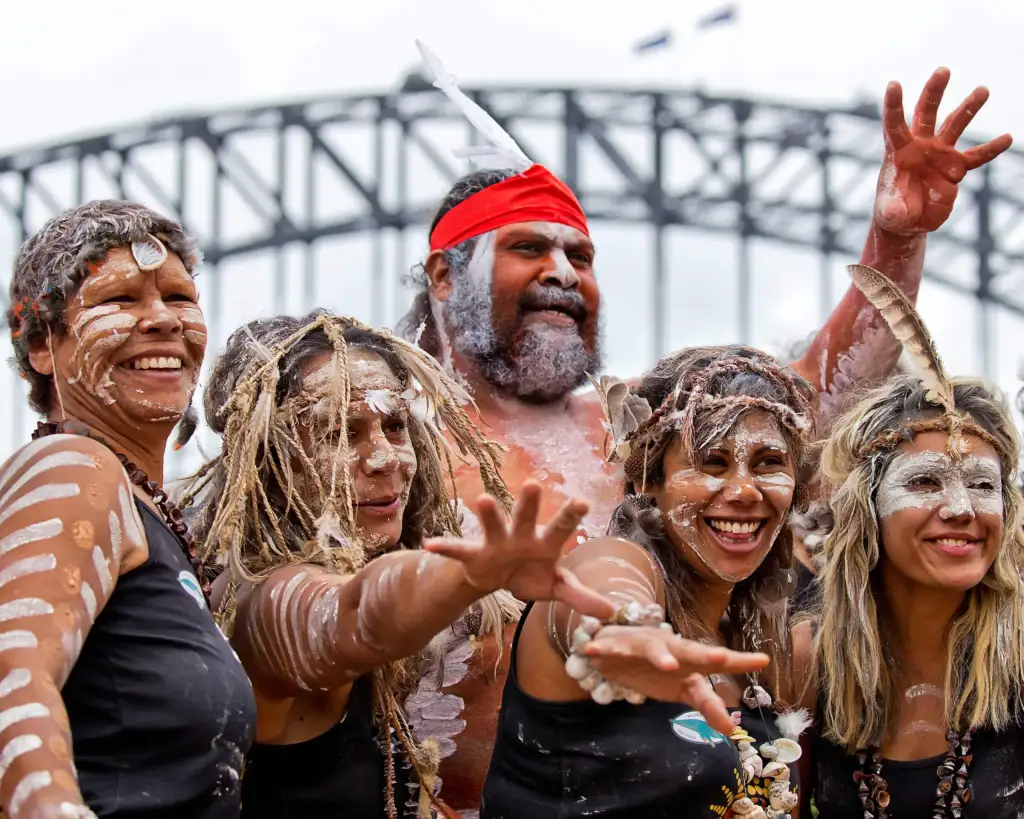
 Introduction to Indigenous Australian Storytelling
 Introduction to Indigenous Australian Storytelling
What is Storytelling in Indigenous Culture?
Storytelling in Indigenous Australian culture is far more than a means of entertainment. It’s a profound and ancient tradition that serves as the backbone of their cultural identity. Through stories, Indigenous Australians pass down knowledge, history, spiritual beliefs, and values from one generation to the next. These narratives often take the form of oral histories, songs, dances, and art, creating a rich tapestry of cultural expression.
At its core, storytelling is about connection—connecting people to the land, to each other, and to the spiritual realm. These stories are not just told; they are lived. They explain the creation of the world, the significance of sacred sites, and the behaviors of animals and plants. For Indigenous Australians, storytelling is a way of preserving their heritage and ensuring their culture remains vibrant.
Why Storytelling is Central to Their Way of Life
Storytelling is central to Indigenous Australian life because it is the primary way of transmitting knowledge and maintaining cultural continuity. Unlike written records, these stories are dynamic and adaptive, evolving with the community while staying rooted in tradition. They teach survival skills, environmental stewardship, and the importance of respect for the land and its inhabitants.
For budget travelers, digital nomads, or cultural tourists, understanding this aspect of Indigenous culture can add depth to your journey. It’s not just about hearing a story; it’s about experiencing a worldview that has thrived for tens of thousands of years. Whether you’re exploring the outback or visiting urban cultural centers, storytelling offers a unique lens through which to see Australia.
- Preservation of Knowledge: Stories are used to teach practical skills, history, and moral lessons.
- Connection to Land: Narratives explain the spiritual and physical significance of the environment.
- Cultural Continuity: Storytelling ensures traditions and values are passed down through generations.
So, as you plan your travels, consider seeking out opportunities to experience Indigenous storytelling firsthand. It’s a chance to connect with the oldest living culture on Earth and gain a richer understanding of the land you’re exploring.
The Role of Storytelling in Preserving History
For many Indigenous Australian communities, storytelling is far more than a means of entertainment—it’s a vital way to preserve history. For thousands of years, oral traditions have served as the primary vehicle for passing down knowledge, culture, and wisdom from one generation to the next. These stories are not just tales; they are living histories that connect the past, present, and future in a way that is both meaningful and enduring.
Oral Traditions as a Historical Record
Before written records existed, Indigenous Australians relied on storytelling to document their history. These oral traditions include myths, legends, songs, and rituals that encapsulate everything from ancestral journeys to the creation of the land. Dreamtime stories, for example, explain the origins of the world and the spiritual significance of natural landmarks. These narratives are not just historical accounts but also lessons about the environment, ethics, and community values.
The beauty of oral traditions lies in their flexibility and adaptability. While the core message remains intact, storytellers often add their own interpretations or adapt the story to the context of their audience. This ensures that the stories remain relevant and accessible across generations.
How Stories Connect Past, Present, and Future
Storytelling in Indigenous Australian culture is a dynamic process that bridges time. It’s not just about remembering the past—it’s about understanding how it shapes the present and influences the future. Each story carries lessons that are meant to guide individuals and communities in their daily lives. For instance, stories about ancestral laws teach respect for the land, while tales of resilience inspire hope and perseverance.
Moreover, these stories create a sense of continuity and identity. When young people listen to these tales, they feel connected to their ancestors and their cultural heritage. This connection fosters pride and a deeper understanding of their place in the world. As a traveler, listening to these stories can offer a unique and authentic insight into the rich history and culture of Indigenous Australia.
- Preservation of Knowledge: Stories are a repository of environmental, spiritual, and cultural wisdom.
- Cultural Continuity: They ensure traditions and values are passed down through generations.
- Community Bonding: Storytelling strengthens social ties and fosters a shared identity.
Whether you’re a cultural tourist, an adventurer, or simply someone curious about the world, taking the time to engage with Indigenous storytelling can transform your understanding of history and deepen your appreciation for this ancient and enduring culture.
Storytelling as a Spiritual Practice
The Dreamtime and Its Significance
At the heart of Indigenous Australian culture lies The Dreamtime, a sacred era that transcends time and space. It’s not just a collection of myths but a spiritual framework that explains the creation of the world, the land, and all living beings. For Indigenous Australians, The Dreamtime is a living connection to their ancestors, the land, and the spiritual realm. It’s a way to understand their place in the universe and to pass down wisdom through generations.
Imagine sitting around a campfire under a starry sky, listening to stories that have been told for thousands of years. These tales aren’t just entertainment—they’re a way to connect with the land and its spirits. For travelers, understanding The Dreamtime can deepen your appreciation of Australia’s natural beauty and cultural heritage.
Stories as a Way to Understand the Land and Its Spirits
Indigenous storytelling is deeply tied to the land. Every rock, river, and tree has a story, often linked to ancestral beings who shaped the landscape during The Dreamtime. These stories serve as a guide, teaching respect for the environment and the importance of living in harmony with nature.
- Land as a Teacher: Stories often explain natural phenomena, like how a mountain was formed or why a river flows in a certain direction. They’re not just explanations but lessons in stewardship and respect.
- Spiritual Connection: Many stories describe the presence of spirits in the land, reminding listeners that the earth is alive and sacred. This perspective can transform how you see the landscapes you visit.
- Cultural Preservation: Through storytelling, Indigenous communities keep their traditions alive, ensuring that their knowledge and values are passed on to future generations.
For travelers, engaging with these stories can be a profound experience. Whether you’re hiking through the Outback or exploring coastal regions, take a moment to listen to the land. You might just hear the whispers of ancient tales carried on the wind.
Experiencing Indigenous Storytelling as a Traveler
Where to Find Authentic Storytelling Experiences
Indigenous storytelling is a profound way to connect with Australia’s rich cultural heritage. To find authentic experiences, consider visiting cultural centers and Aboriginal-owned tourism operators. These are often located in regions with strong Indigenous ties, such as the Northern Territory, Queensland, and Western Australia. Look for events like corroborees (traditional gatherings) or guided tours led by Indigenous elders. Many national parks also offer storytelling sessions as part of their cultural programs.
For budget travelers, check out local community events or festivals, which often include storytelling performances at little to no cost. Digital nomads and freelancers can explore urban cultural hubs like Sydney’s Bangarra Dance Theatre or Melbourne’s Koorie Heritage Trust, which blend storytelling with contemporary art.
Tips for Respectful Participation
When engaging with Indigenous storytelling, it’s essential to approach the experience with respect and mindfulness. Here are some practical tips:
- Listen actively: Storytelling is a sacred tradition. Give your full attention and avoid interrupting.
- Ask permission: Always seek consent before taking photos or recording stories.
- Dress modestly: Some events may have cultural dress codes, so check in advance.
- Support local: Purchase art or crafts from Indigenous vendors to contribute to the community.
- Educate yourself: Learn about the local culture and history beforehand to deepen your understanding.
For families traveling with children, explain the importance of these traditions in a way they can understand. Solo travelers and adventurers can enhance their experience by engaging with storytellers and asking thoughtful questions.
Budget-Friendly Options for Storytelling Experiences
Experiencing Indigenous storytelling doesn’t have to break the bank. Here are some affordable options:
- Free community events: Many towns and cities host free cultural events, especially during NAIDOC Week.
- Public libraries: Some libraries offer storytelling sessions or cultural workshops.
- National parks: Entry fees are often low, and many include cultural programs as part of the experience.
- Online resources: Explore virtual storytelling sessions or documentaries for a cost-effective alternative.
The Impact of Storytelling on Modern Australia
How Indigenous Stories Influence Contemporary Culture
Indigenous storytelling is not just a relic of the past; it’s a vibrant force shaping modern Australia. From art and literature to film and music, these ancient narratives continue to inspire contemporary creators. Dreamtime stories, for example, have found their way into modern Australian cinema, offering audiences a glimpse into the spiritual and cultural richness of Indigenous traditions. Similarly, Indigenous art, often rooted in storytelling, has become a celebrated part of Australia’s cultural identity, adorning galleries and public spaces alike.
For travelers, engaging with these stories can deepen your understanding of Australia’s heritage. Whether it’s through attending a cultural festival, visiting an Indigenous art exhibition, or listening to a local elder share tales, these experiences offer a unique connection to the land and its people. It’s a way to see Australia through the eyes of its First Nations people, enriching your journey with layers of meaning and history.
The Importance of Preserving These Traditions
Preserving Indigenous storytelling is crucial for maintaining cultural diversity and fostering mutual respect. These stories are more than just entertainment; they are living records of history, law, and spirituality. They teach values, explain natural phenomena, and connect people to their ancestors and the land. For Indigenous communities, storytelling is a way to pass down knowledge and keep their culture alive for future generations.
As travelers, you can play a part in this preservation by supporting Indigenous-led initiatives. Here are a few ways to do so:
- Visit Indigenous cultural centers and museums.
- Participate in guided tours led by Indigenous guides.
- Purchase authentic Indigenous art and crafts directly from the artists.
- Attend storytelling events or workshops during your travels.
By engaging with and respecting these traditions, you’re not only enriching your own travel experience but also contributing to the survival of a culture that has thrived for tens of thousands of years.
Practical Tips for Budget Travelers
Affordable Ways to Experience Indigenous Storytelling
Immerse yourself in the rich oral traditions of Indigenous Australian culture without stretching your budget. Many communities offer free or low-cost storytelling events in public spaces like parks, cultural centers, or museums. Check local event calendars for gatherings during National Reconciliation Week or NAIDOC Week, which often feature free performances and workshops. Additionally, some Aboriginal-led tours include storytelling sessions as part of their itinerary, offering a deeper cultural connection at a reasonable cost.
Another budget-friendly option is to visit community art galleries or cultural hubs, where you can often hear stories shared by local elders or artists. These spaces usually have a small entry fee or donation system, making them accessible for travelers. Libraries and bookshops in regional areas sometimes host authors or storytellers, providing a chance to learn directly from Indigenous voices.
- Attend free community events or festivals
- Join affordable Aboriginal-led tours
- Visit cultural centers or art galleries
- Check library or bookstore schedules for storytelling sessions
Combining Cultural Experiences with Budget Travel
Blend cultural immersion with budget-conscious travel by choosing affordable accommodations near Indigenous cultural sites. Hostels, guesthouses, or campgrounds in regional areas often provide easy access to storytelling events or tours. Opt for public transportation or carpooling to reach these locations, saving money while supporting local communities.
To maximize your experience, consider volunteering with Indigenous organizations or participating in cultural exchange programs. These opportunities often include meals or accommodations in exchange for your time, allowing you to engage deeply with the culture without overspending. Many programs also offer workshops where you can learn traditional practices, such as art, dance, or language, alongside storytelling.
“Traveling on a budget doesn’t mean missing out on meaningful experiences. It’s about being resourceful and respectful, ensuring your journey enriches both you and the communities you visit.”
Finally, plan ahead by researching grants or scholarships for cultural tourism. Some organizations offer financial support for travelers interested in learning about Indigenous cultures. By combining these strategies, you can create a fulfilling and affordable travel experience that honors the importance of storytelling in Indigenous Australian culture.
Why Storytelling Matters for All Travelers
Storytelling is more than just a way to pass the time—it’s a gateway to understanding the heart and soul of a destination. For travelers exploring Australia, engaging with Indigenous storytelling offers a *profoundly enriching experience* that goes beyond the typical tourist checklist. It’s not just about hearing tales; it’s about connecting with the land, its history, and its people on a deeper level.
Enriches Your Understanding of Australia
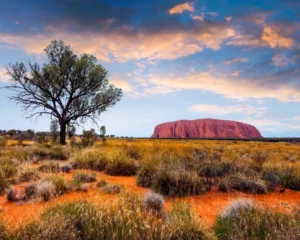
When you listen to Indigenous stories, you begin to see Australia through a different lens. These narratives—whether shared around a campfire, in a cultural center, or during a guided tour—reveal the spiritual and cultural significance of the land. From the Dreamtime stories that explain the creation of the world to the oral histories of ancestral journeys, these tales provide context to the landscapes you’re exploring. Suddenly, that towering rock formation or serene river isn’t just scenery—it’s a living piece of history.
- Learn the meaning behind iconic landmarks: Many natural wonders in Australia have deep cultural significance for Indigenous communities.
- Gain insights into local customs and traditions: Storytelling often includes lessons about kinship, respect, and survival.
- Connect with the land on a spiritual level: These stories invite you to see the environment as something sacred and interconnected.
Encourages Cultural Appreciation and Respect
Travel is an opportunity to broaden your horizons, and engaging with Indigenous storytelling fosters a genuine appreciation for Australia’s First Nations cultures. By taking the time to listen and learn, you show respect for traditions that have been passed down for tens of thousands of years. This cultural exchange isn’t just beneficial for travelers—it also helps support Indigenous communities by preserving and sharing their heritage.
Here’s how you can make storytelling part of your journey:
- Visit Indigenous cultural centers or join guided tours led by Indigenous guides.
- Attend festivals or events that celebrate Indigenous art, music, and storytelling.
- Read books or watch documentaries by Indigenous authors and filmmakers.
FAQ: Why is storytelling important for travelers?
- Why should I prioritize storytelling in my travels?
- Storytelling offers a unique way to connect with the culture and history of a place, making your travel experience more meaningful and memorable.
- How can I respectfully engage with Indigenous storytelling?
- Always approach with an open mind, listen attentively, and ask questions if permitted. Support Indigenous-led initiatives to ensure your participation benefits the community.
- Are there budget-friendly ways to experience storytelling in Australia?
- Absolutely! Many cultural centers offer affordable or free storytelling sessions, and public festivals often include Indigenous performances as part of their programming.
By embracing storytelling, you’re not just a traveler—you’re a learner, a listener, and a participant in the rich cultural tapestry of Australia. So, the next time you’re planning your adventure, consider making storytelling a central part of your itinerary. It might just be the most unforgettable experience of your journey.

About Grace Castle
Grace Castle, 29, is a passionate traveler and digital nomad who turned her love for exploring the world into a career. With years of experience traveling across different countries, she has mastered the art of smart travel planning, working remotely while discovering new destinations.
An expert in budget travel, local culture, and remote work, Grace shares valuable tips for those looking to travel more while spending less. Her mission is to help fellow travelers explore the world with ease, safety, and authentic experiences.
When she’s not writing about her adventures, Grace can be found discovering cozy cafés, learning new languages, or planning her next trip.