One of the most immediate benefits of traveling with a carry-on is the significant savings on baggage fees. Airlines often charge hefty amounts for checked luggage, and these fees can add up quickly, especially for budget-conscious travelers or families. By packing light and sticking to a carry-on, you can redirect those savings toward more meaningful experiences—like a local cooking class or an extra night in a cozy Airbnb. Think of it as putting your money where your memories are.
Move Faster and Avoid Lost Luggage
Traveling with just a carry-on means you can skip the baggage claim and head straight to your destination. No more waiting endlessly at the conveyor belt or worrying about your luggage getting lost in transit. This is especially valuable for digital nomads and freelancers who are always on the move and can’t afford delays. Plus, with your essentials right by your side, you’ll feel more in control and ready to tackle whatever comes your way, whether it’s a last-minute work call or an impromptu hike.
Reduce Stress and Stay Organized
There’s something incredibly liberating about traveling light. With a carry-on, you’ll naturally focus on the essentials, which helps reduce decision fatigue and keeps you organized. No more overpacking or lugging around items you’ll never use. This minimalist approach is particularly helpful for solo travelers and first-time adventurers who want to focus more on the journey than the logistics. It’s about simplifying your travel experience so you can fully immerse yourself in the adventure. Plus, less luggage means less stress when navigating airports, train stations, or busy city streets.
Essentials for a Perfect Carry-On Packing List
Clothing: Versatile and Lightweight Options
When packing a carry-on, versatility is your best friend. Choose clothing items that can be mixed and matched to create multiple outfits. Opt for lightweight fabrics like merino wool, polyester blends, or linen that are easy to layer and dry quickly. A capsule wardrobe with neutral colors ensures everything pairs seamlessly. Don’t forget essentials like:
A lightweight jacket or cardigan for layering
Comfortable walking shoes
One pair of versatile pants or jeans
2-3 tops that can be dressed up or down
A scarf or sarong for added warmth or style
Pro Tip: Roll your clothes instead of folding them to save space and reduce wrinkles!
Toiletries: TSA-Approved and Travel-Sized
Navigating TSA regulations doesn’t have to be stressful. Stick to travel-sized containers (100ml or less) and pack them in a clear, quart-sized bag for easy screening. Essentials include:
Toothbrush and mini toothpaste
Travel-sized shampoo and conditioner
Deodorant (solid or gel)
Moisturizer with SPF
Lip balm
If you’re staying at a hotel, consider skipping some items and using the provided toiletries to save space. For eco-conscious travelers, solid toiletries like shampoo bars are a great alternative!
Tech and Gadgets: Must-Haves for Digital Nomads
For those working on the go, your tech setup is non-negotiable. Here are the essentials to keep you connected and productive:
A lightweight laptop or tablet
A universal adapter for international travel
A portable power bank (ensure it’s TSA-approved)
Noise-canceling headphones
A compact travel router for better internet connectivity
Don’t forget to back up your files to the cloud or an external hard drive. If you’re a digital nomad, consider investing in a portable monitor for a more comfortable work setup on the road.
Packing Tips to Maximize Space
Rolling vs. Folding: Which is Better?
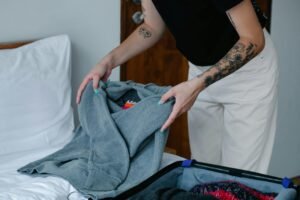
When it comes to maximizing space in your carry-on, the eternal debate between rolling and folding your clothes is a hot topic. Rolling is often the winner for bulkier items like sweaters, jeans, and casual wear because it minimizes wrinkles and allows for flexible placement in your bag. However, folding works better for structured items like blazers, dress shirts, or anything prone to creasing. A hybrid approach—rolling soft items and folding stiffer ones—can be the ultimate space-saving strategy. Experiment with both methods to see what suits your wardrobe and traveling style best.
Using Packing Cubes and Organizers
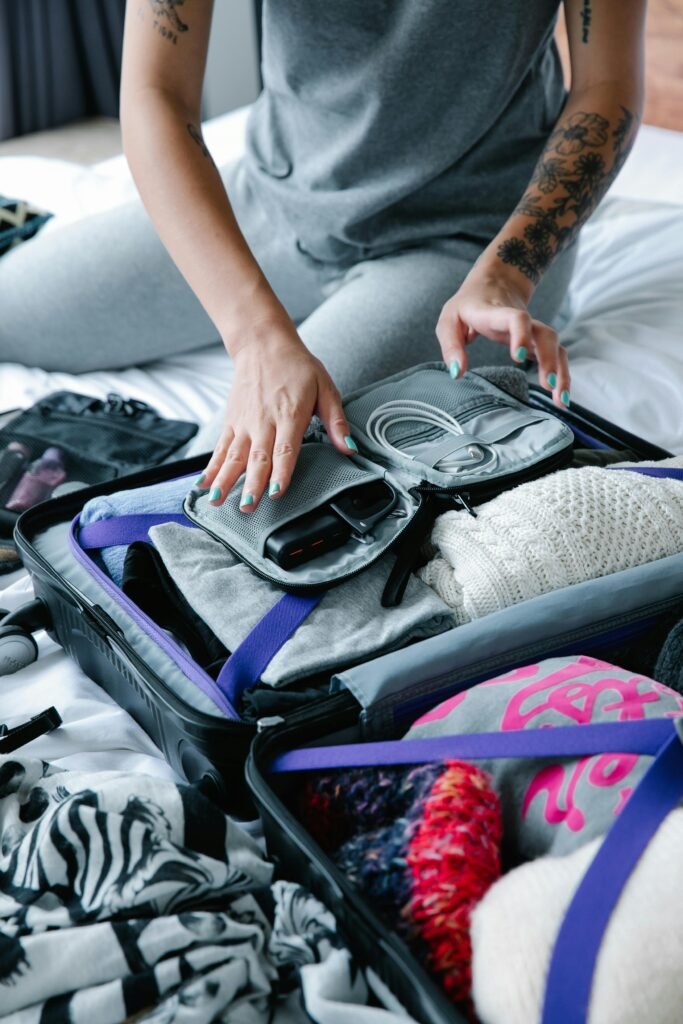
Packing cubes are a game-changer for staying organized and saving space. These lightweight, zippered pouches help compartmentalize your luggage, making it easier to find items quickly. Here’s how to make the most of them:
Sort by category: Use separate cubes for clothes, toiletries, electronics, and accessories.
Compress your clothes: Packing cubes with compression zippers can shrink the volume of your clothing by up to 50%.
Keep essentials accessible: Use a smaller cube for items you’ll need during transit, like a change of clothes or snacks.
For digital nomads or freelancers, consider adding a tech organizer to keep cables, adapters, and gadgets neatly stored and safe.
Prioritizing Essentials for Different Trip Types
What you pack depends heavily on the type of trip you’re taking. Here’s a quick guide to help you prioritize:
Trip Type
Essentials to Pack
Adventure/Ecotourism
Lightweight, moisture-wicking clothing, sturdy shoes, reusable water bottle, and compact first-aid kit.
Urban Exploration
Comfortable walking shoes, a day bag, adapters for electronics, and a city map or guidebook.
Family Travel
Snacks, entertainment for kids, extra clothing layers, and a small medical kit for emergencies.
Digital Nomad/Remote Work
Laptop, portable charger, noise-canceling headphones, and a travel-friendly notebook.
Remember, less is more when it comes to carry-on travel. Focus on versatile, multi-purpose items that can adapt to different situations.
Choosing the Right Carry-On Bag
Size and Weight Limits for Airlines
Before investing in a carry-on bag, it’s essential to check the size and weight restrictions of the airlines you frequently use. Most airlines allow carry-ons that measure 22 x 14 x 9 inches (56 x 36 x 23 cm), but budget carriers often have stricter limits. Weight limits typically range from 15 to 22 pounds (7 to 10 kg). Pro tip: Always verify these details on the airline’s website to avoid unexpected fees at the gate.
Features to Look For
When choosing a carry-on bag, prioritize features that align with your travel style. Here’s what to consider:
Durability: Opt for materials like ballistic nylon or polycarbonate for long-lasting use.
Compartments: Look for multiple pockets, shoe compartments, and tech storage to stay organized.
Ease of Use: Smooth-rolling wheels, ergonomic handles, and lightweight designs make navigating airports a breeze.
These features can make a significant difference, especially for frequent travelers or those with tight connections.
Best Carry-On Bags for Every Budget
Finding the perfect carry-on doesn’t have to break the bank. Here’s a quick breakdown:
Budget-Friendly: Brands like AmazonBasics and Samsonite offer reliable options under $100.
Mid-Range: TravelPro and Delsey provide excellent quality with added features in the $100–$200 range.
Premium: For those willing to splurge, Rimowa and TUMI offer luxury designs with top-tier durability and style.
Remember, the best carry-on is one that suits your needs and travel habits, regardless of price.
Staying Organized During Your Trip
Keeping Your Carry-On Clutter-Free
Traveling with a carry-on only means every inch of space counts. To keep your bag organized, use packing cubes or compression bags to separate items by category—clothes, toiletries, electronics, etc. This not only saves space but also makes it easier to find what you need without rummaging. Keep frequently used items like your passport, phone, or snacks in an easily accessible pocket or pouch. A clutter-free bag is a stress-free trip!
Tips for Repacking Quickly
Repacking can feel like a chore, but with a few smart strategies, it’s a breeze. Always pack items in the same order—this creates a routine and ensures nothing gets left behind. Roll your clothes instead of folding them to save space and reduce wrinkles. Use a designated spot for dirty laundry, like a separate packing cube or a reusable bag. And remember, less is more—only take out what you need during your trip to minimize the repacking effort.
Managing Laundry on the Go
Laundry doesn’t have to be a hassle when you’re traveling. Pack a small travel-sized detergent or soap bar to wash essentials in your hotel sink or a local laundromat. Quick-dry fabrics are your best friend—they’ll be ready to wear in no time. If you’re staying in one place for a while, consider using a laundry service to save time. For longer trips, plan a laundry day midway through to keep your wardrobe fresh and your carry-on light.
How to Handle Unexpected Situations
Dealing with Overpacking or Forgotten Items
Even the most seasoned travelers can overpack or forget essential items. The key is to stay calm and assess the situation. If you’ve overpacked, prioritize what you truly need by asking yourself, “Will I use this daily?” For forgotten items, check if you can purchase or borrow them at your destination. Many cities have affordable stores for basics like toiletries or accessories. Pro tip: Pack a small emergency kit with essentials like a universal adapter, basic medications, and a travel-sized laundry detergent to cover minor mishaps.
What to Do If Your Carry-On Is Too Full
If your carry-on is bursting at the seams, don’t panic—there are solutions. Start by wearing your bulkiest items, like a jacket or boots, during transit. Use compression bags or packing cubes to maximize space. If you’re still struggling, consider shipping non-essential items home or to your destination. Alternatively, re-evaluate your packing list and remove anything that’s not absolutely necessary. Remember, most destinations have affordable laundry services, so you don’t need to pack for every day of your trip.
Tips for Last-Minute Adjustments
Last-minute changes can be stressful, but they’re manageable with a little creativity. If you need to quickly reorganize your bag, use these strategies:
Roll your clothes to save space and reduce wrinkles.
Shift smaller items into pockets or personal bags to free up room.
Use a reusable tote as an extra carry-on if allowed by your airline.
Also, keep a lightweight foldable bag in your carry-on for emergencies. It’s a lifesaver if you pick up souvenirs or need to separate items during your trip. Stay flexible and remember that travel is about adaptability and making the most of the moment.
Bonus Tips for Specific Travelers
Packing light with just a carry-on doesn’t mean sacrificing comfort or efficiency—especially for travelers with unique needs. Whether you’re a digital nomad, a family on the go, or an adventurer chasing rugged landscapes, these expert tips will help you stay organized and prepared.
Digital Nomads: Packing for Work and Play
The ultimate challenge for remote workers? Balancing productivity essentials with the freedom to explore. Here’s how to pack smart:
Prioritize tech: A lightweight laptop, universal adapter, and portable charger are non-negotiables. If possible, opt for a foldable Bluetooth keyboard to save space.
Dual-purpose clothing: Pack versatile, wrinkle-resistant pieces that transition from co-working spaces to coffee shops or evening outings.
Secure your data: A slim, encrypted hard drive or cloud storage backup ensures your work stays safe even if your bag doesn’t.
Families: Simplifying Travel with Kids
Traveling with little ones doesn’t have to mean lugging a mountain of gear. A few clever swaps keep stress low and fun high:
Think layers, not bulk: Pack mix-and-match outfits for kids, focusing on lightweight layers. Roll clothes instead of folding for extra space.
Entertainment on the go: A small, multi-use toy (like building blocks) and digital downloads beat bulky games.
Adventurers: Gear for Outdoor and Active Trips
Adventure travel demands specialized gear, but even thrill-seekers can go carry-on only with these tactics:
Choose compact, high-performance gear: Ultralight jackets, quick-dry layers, and collapsible water bottles are lifesavers.
Multi-functional tools win: A Swiss Army knife or a headlamp with multiple settings reduces redundancy.
Wear your bulkiest items: Hiking boots, trekking poles, or a rain shell? Fly wearing them to maximize bag space.
FAQ: Carry-On Packing for Different Travel Styles
How can digital nomads handle multiple work devices in a carry-on?
If you must carry tablets or extra monitors, invest in a slim, padded tech organizer. In-flight Wi-Fi can also help you rely less on offline backups.
What’s the best way to pack baby formula or medications for a flight?
TSA allows reasonable quantities of liquids for infants/medical needs—just declare them during screening. Pre-measure formula in dispensers to avoid spills.
Can I fit camping equipment in a carry-on?
Yes! Opt for inflatable sleeping pads, travel-sized cookware, and microfiber towels. Many airlines allow a “personal item” (like a backpack) alongside your carry-on.
Pro Tip: No matter your travel style, keep one rule sacred: if you haven’t used it in the last three trips, you won’t need it this time either. Less clutter means more freedom.
About Grace Castle
Grace Castle, 29, is a passionate traveler and digital nomad who turned her love for exploring the world into a career. With years of experience traveling across different countries, she has mastered the art of smart travel planning, working remotely while discovering new destinations.
An expert in budget travel, local culture, and remote work, Grace shares valuable tips for those looking to travel more while spending less. Her mission is to help fellow travelers explore the world with ease, safety, and authentic experiences.
When she’s not writing about her adventures, Grace can be found discovering cozy cafés, learning new languages, or planning her next trip.
To provide the best experiences, we use technologies like cookies to store and/or access device information. Consenting to these technologies will allow us to process data such as browsing behavior or unique IDs on this site. Not consenting or withdrawing consent, may adversely affect certain features and functions.
Functional
Always active
The technical storage or access is strictly necessary for the legitimate purpose of enabling the use of a specific service explicitly requested by the subscriber or user, or for the sole purpose of carrying out the transmission of a communication over an electronic communications network.
Preferences
The technical storage or access is necessary for the legitimate purpose of storing preferences that are not requested by the subscriber or user.
Statistics
The technical storage or access that is used exclusively for statistical purposes.The technical storage or access that is used exclusively for anonymous statistical purposes. Without a subpoena, voluntary compliance on the part of your Internet Service Provider, or additional records from a third party, information stored or retrieved for this purpose alone cannot usually be used to identify you.
Marketing
The technical storage or access is required to create user profiles to send advertising, or to track the user on a website or across several websites for similar marketing purposes.