Introduction
Why Scandinavia is Worth Visiting
Scandinavia—comprising Norway, Sweden, and Denmark—offers a unique blend of stunning natural beauty, rich cultural heritage, and modern urban charm. From the Northern Lights dancing across the Arctic sky to the sleek design of Copenhagen’s streets, this region is a treasure trove of experiences. Whether you’re an adventurer craving fjord hikes, a cultural enthusiast exploring Viking history, or a digital nomad seeking cozy cafés with lightning-fast Wi-Fi, Scandinavia has something for everyone.
Common Misconceptions About Budget Travel in Scandinavia
Many travelers believe that Scandinavia is prohibitively expensive, but this isn’t entirely true. While it’s no secret that the region can be pricier than some destinations, there are plenty of ways to save money without sacrificing the experience. For instance:
- Accommodation: Opt for hostels, budget hotels, or even camping in summer to cut costs.
- Food: Cook your meals or enjoy affordable street food like Danish hot dogs or Swedish meatballs.
- Transport: Use public transportation, which is efficient and often cheaper than renting a car.
By planning wisely and taking advantage of local deals, you can enjoy Scandinavia’s wonders without breaking the bank.
Finding Affordable Flights
Booking Tips for Cheap Flights
Scoring affordable flights to Scandinavia doesn’t have to feel like a treasure hunt. Be flexible with your travel dates and destinations—sometimes flying into smaller airports or nearby cities can save you a bundle. Use flight comparison tools like Skyscanner, Google Flights, or Kayak to track prices across multiple airlines. Set up price alerts to catch discounts as they drop. Book early, but not too early—research shows that the sweet spot for international flights is typically 2-3 months before departure. And don’t forget to clear your browser cookies or use incognito mode to avoid price hikes based on your search history.
Best Time to Travel for Lower Fares
Timing is everything when it comes to saving on flights. Off-peak seasons like late autumn and early spring offer the best deals, as traveler demand is lower. Avoid the high summer months (June to August) when prices spike due to tourist influx. Mid-week flights, especially on Tuesdays and Wednesdays, are often cheaper than weekend departures. If you’re flexible, consider traveling during shoulder seasons (May or September)—you’ll enjoy milder weather, fewer crowds, and budget-friendly fares.
Using Layovers to Save Money
Layovers might seem inconvenient, but they can be a cost-effective strategy for stretching your travel budget. Opt for flights with longer layovers, which are often cheaper than direct routes. Use this time to explore an extra city or country—many airlines even offer free stopover programs. For example, Icelandair lets you add a free stop in Reykjavik on your way to Scandinavia. Just ensure you have enough time between flights and check visa requirements for layover destinations. It’s a win-win: you save money and add another adventure to your trip!
Budget-Friendly Accommodation
Hostels and Budget Hotels
Scandinavia is known for its high cost of living, but that doesn’t mean you have to overspend on accommodation. Hostels are a fantastic option for budget travelers, offering affordable rates and a social atmosphere. Many hostels in cities like Copenhagen, Stockholm, and Oslo provide clean, comfortable beds in shared dorms, often with free Wi-Fi and breakfast included. If you prefer more privacy, look for budget hotels or guesthouses, which can be surprisingly affordable if booked in advance. Websites like Hostelworld or Booking.com are great for finding deals.
Alternative Options like Airbnb and Couchsurfing
For a more local experience, consider renting an Airbnb. This option often gives you more space and the chance to cook your own meals, which can save you even more money. If you’re traveling solo or on a tight budget, Couchsurfing is a unique way to stay with locals for free. Not only does it cut costs, but it also allows you to connect with residents who can share insider tips on hidden gems and local culture. Just be sure to check reviews and communicate clearly with your host before arriving.
Camping and Glamping in Nature
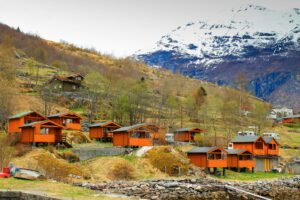
If you’re an adventurer at heart, Scandinavia’s breathtaking nature offers plenty of opportunities for camping. Many countries in the region have “Allemansrätten” (the Right to Roam), which allows you to camp in most public areas for free, as long as you respect the environment. For a more comfortable experience, look into glamping sites, which combine the charm of camping with modern amenities like cozy beds and electricity. Whether you’re pitching a tent or staying in a fancy yurt, camping is a budget-friendly way to immerse yourself in Scandinavia’s stunning landscapes.
Eating on a Budget
Cost-Effective Dining Options
Scandinavia may have a reputation for being pricey, but affordable dining options are plentiful if you know where to look. Opt for casual eateries like food trucks, bakeries, and lunch buffets, which are often much cheaper than sit-down restaurants. Many cities also have ethnic food spots—think falafel, kebab, or Vietnamese pho—that offer delicious meals without the hefty price tag. For example, Copenhagen’s torvehallerne (food markets) are perfect for grabbing a quick, affordable bite.
Cooking Your Meals in Hostels or Airbnbs
One of the most effective ways to save money is by cooking your own meals. Most hostels and Airbnbs in Scandinavia come equipped with basic kitchen facilities. Stock up on groceries from budget-friendly supermarkets like Lidl or Rema 1000. Cooking not only saves money but also lets you experiment with local ingredients like smoked salmon, rye bread, and lingonberries. Plus, it’s a great way to meet fellow travelers if you’re staying in a hostel!
Local Markets and Street Food
Exploring local markets is a must for budget-conscious travelers. These markets are treasure troves of fresh, affordable produce, snacks, and ready-to-eat meals. In Stockholm, the Östermalms Saluhall offers a variety of affordable seafood and Swedish delicacies. Street food is another budget-friendly option—try pølsevogne (sausage wagons) in Denmark or grillikioski (grill kiosks) in Finland for a quick and satisfying meal on the go.
- Pro Tip: Many cafes and bakeries offer discounted prices on pastries and sandwiches at the end of the day.
- Insider Tip: Look for student discounts at restaurants—some places offer reduced prices if you show a valid student ID.
Free and Low-Cost Activities

Exploring Nature for Free
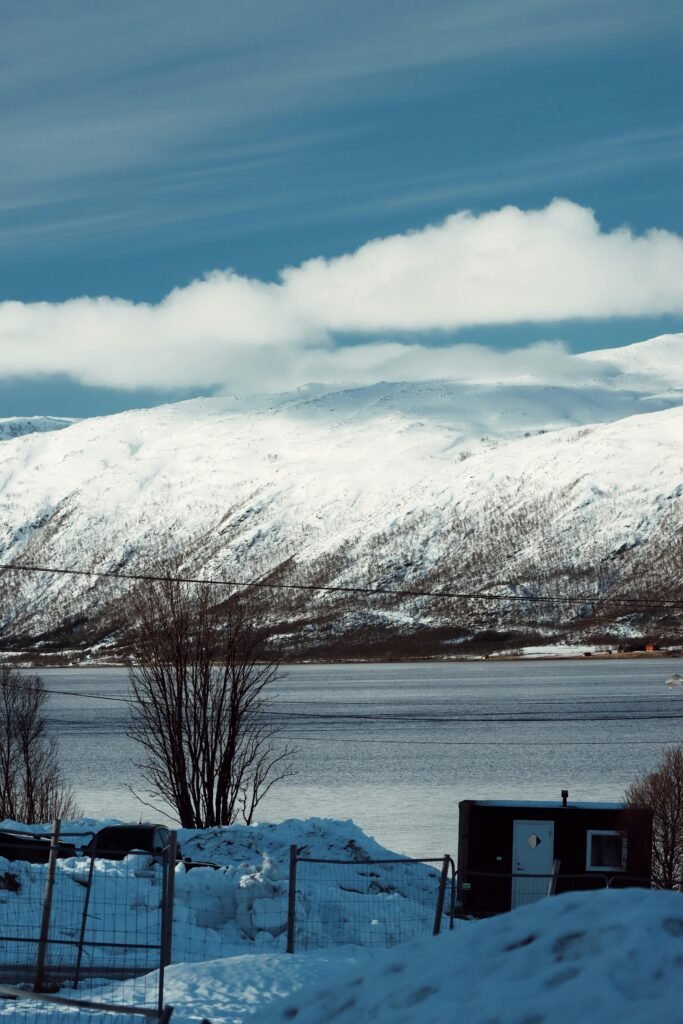
Scandinavia is a paradise for nature lovers, and the best part is that many of its natural wonders are completely free to enjoy. From the fjords of Norway to the forests of Sweden and the lakes of Finland, you can immerse yourself in breathtaking landscapes without spending a dime. National parks, like Sweden’s Abisko and Norway’s Jotunheimen, offer well-marked trails and picnic spots—perfect for hiking, birdwatching, or just soaking in the views. Don’t forget to check out the “Right to Roam” principle, which allows you to camp and explore public lands freely in many Scandinavian countries.
Free City Walking Tours
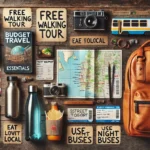
Exploring Scandinavian cities doesn’t have to be expensive. Many cities, such as Copenhagen, Stockholm, and Oslo, offer free walking tours led by locals. These tours are a fantastic way to learn about the history, culture, and hidden gems of each city. While the tours are free, tipping your guide is a nice way to show appreciation. Pro tip: Check schedules online and arrive early, as these tours can fill up quickly, especially during peak travel seasons.
Discounts on Museums and Attractions
If you’re a fan of culture and history, Scandinavia’s museums and attractions are a must-visit. While some can be pricey, there are plenty of ways to save. Look for discount cards like the Copenhagen Card, Stockholm Pass, or Oslo Pass, which offer free or discounted entry to multiple attractions. Many museums also have free admission days—for example, Stockholm’s National Museum offers free entry every Wednesday evening. If you’re a student, don’t forget to bring your ID, as student discounts are widely available.
Transportation Tips
Using Public Transport Efficiently
Scandinavia boasts one of the most efficient public transportation systems in the world, making it a budget traveler’s dream. Invest in city passes like the Oslo Pass or Copenhagen Card, which often include unlimited public transport and free entry to attractions. Apps like Rejseplanen (Denmark) or SL (Sweden) make route planning a breeze. Pro tip: Avoid peak hours to save money and enjoy a more relaxed commute.
Renting Bikes or Walking in Cities
Scandinavian cities are designed for eco-friendly travel. Many cities, like Copenhagen and Stockholm, offer affordable bike rentals with dedicated cycling lanes. Walking is another fantastic option—its compact city centers are filled with hidden gems waiting to be discovered. Plus, it’s free!
Overnight Trains and Buses for Long Distances
For long journeys, consider overnight trains or buses. They’re cost-effective and save you a night’s accommodation. Companies like SJ (Sweden) and FlixBus operate reliable services across Scandinavia. Insider tip: Book in advance for the best deals and reserved seats to ensure a comfortable trip.
Practical Money-Saving Tips
Travel Insurance and Currency Exchange Advice
Travel insurance is one of those things you don’t want to skip, especially when traveling on a budget. Unexpected medical emergencies, trip cancellations, or lost luggage can quickly drain your wallet. Look for affordable, comprehensive policies that cover your needs without overcharging. Websites like InsureMyTrip and World Nomads allow you to compare plans easily.
When it comes to currency exchange, avoid airport kiosks and tourist hotspots—they usually have the worst rates. Instead, withdraw local currency from ATMs using a card with low or no foreign transaction fees. Alternatively, use digital services like Wise (formerly TransferWise) for transparent and cost-effective exchanges.
Apps and Tools for Budget Travelers
Technology is your best friend when it comes to saving money. Here are a few must-have apps and tools:
- Skyscanner and Hopper: Track flights and book at the cheapest rates.
- Hostelworld and Booking.com: Find affordable accommodations with user reviews.
- Rome2Rio: Plan budget-friendly transportation routes between destinations.
- Splitwise: Easily split expenses with travel buddies.
For digital nomads, apps like Workfrom help locate coworking spaces and cafes with reliable Wi-Fi, ensuring you stay productive without overspending.
Seasonal Travel Tips to Avoid Peak Prices

Timing is everything when it comes to saving money on travel. Off-season travel not only means fewer crowds but also lower prices on flights, accommodations, and activities. For example, visiting Scandinavia in late spring or early fall can save you a fortune compared to the busy summer months.
Here’s a quick guide to planning around peak seasons:
- Europe: Avoid June-August; try April-May or September-October.
- North America: Summer and holidays are peak; spring and fall are cheaper.
- Asia: Avoid Chinese New Year and Golden Week; shoulder seasons vary by country.
FAQ: Practical Money-Saving Tips
Q: Is travel insurance worth it for short trips?
A: Absolutely. Even on short trips, unexpected issues can arise. A good travel insurance policy provides peace of mind and financial protection.
Q: Can I rely on credit cards for currency exchange?
A: Yes, but only if your card has no foreign transaction fees. Always check with your bank beforehand to avoid surprises.
Q: How far in advance should I book flights to get the best deals?
A: For international trips, aim to book 2-3 months in advance. For domestic flights, 1-2 months is usually sufficient.
With these practical tips, you can stretch your travel budget further and focus on creating unforgettable experiences. Traveling smart doesn’t mean sacrificing comfort—it’s about making every dollar count. Happy saving, and even happier traveling!

About Grace Castle
Grace Castle, 29, is a passionate traveler and digital nomad who turned her love for exploring the world into a career. With years of experience traveling across different countries, she has mastered the art of smart travel planning, working remotely while discovering new destinations.
An expert in budget travel, local culture, and remote work, Grace shares valuable tips for those looking to travel more while spending less. Her mission is to help fellow travelers explore the world with ease, safety, and authentic experiences.
When she’s not writing about her adventures, Grace can be found discovering cozy cafés, learning new languages, or planning her next trip.