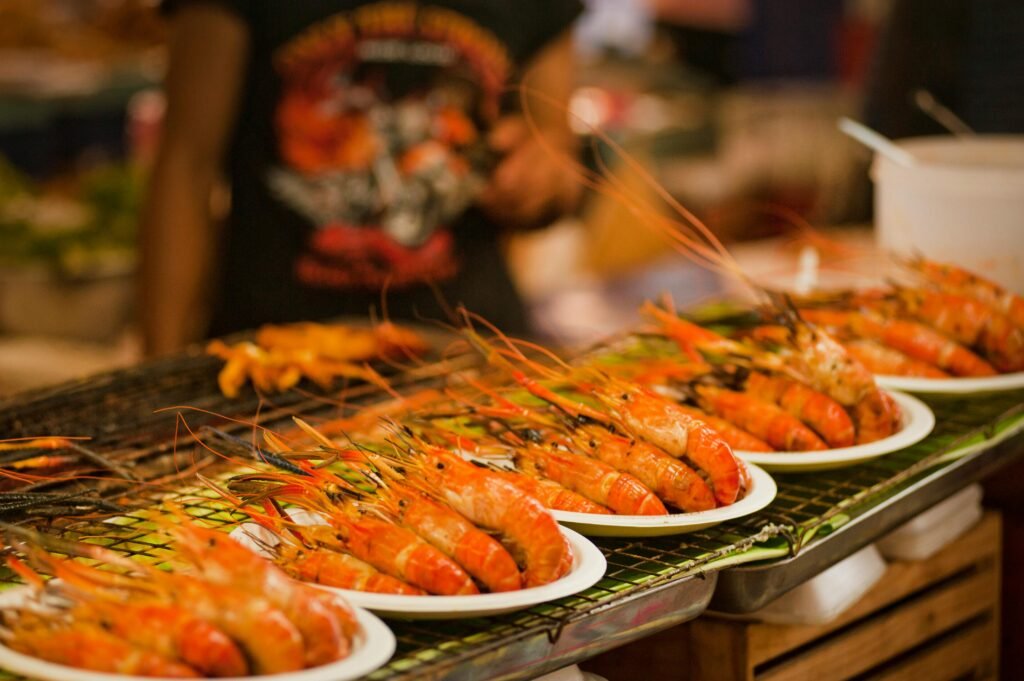
Why Eating Like a Local in Thailand is Worth It
The Cultural Significance of Thai Street Food
Thai street food is more than just a meal—it’s a vibrant expression of the country’s culture and heritage. From bustling night markets to humble roadside stalls, every dish tells a story. Pad Thai, Som Tum, and Mango Sticky Rice aren’t just dishes; they’re a way of life. Eating like a local allows you to immerse yourself in this rich culinary tradition, connecting with the heart of Thailand in a way that no fancy restaurant ever could.
Benefits of Eating Local: Affordability and Authenticity
One of the biggest perks of eating like a local in Thailand is the affordability. Street food and local eateries offer delicious meals for a fraction of the cost of touristy restaurants. For example, a plate of Pad Kra Pao (basil stir-fry) can cost as little as 40-50 baht (around $1-1.50). But it’s not just about saving money—it’s about authenticity. Local food is prepared with traditional techniques and fresh ingredients, giving you a true taste of Thailand. Plus, you’ll often find dishes that aren’t on the menus of international restaurants, making your culinary adventure even more unique.
- Affordable: Meals often cost less than $2, making it perfect for budget travelers.
- Authentic: Experience flavors and recipes passed down through generations.
- Convenient: Street food is everywhere, from busy cities to quiet villages.
By choosing to eat like a local, you’re not just feeding your stomach—you’re feeding your soul with the essence of Thai culture. It’s an experience that’s as enriching as it is delicious.
Top Budget-Friendly Thai Dishes You Must Try
Pad Thai: A Classic for Under 50 THB
No trip to Thailand is complete without indulging in Pad Thai, the quintessential street food dish that’s both delicious and affordable. For under 50 THB, you can enjoy a plate of stir-fried rice noodles tossed with eggs, tofu, shrimp, or chicken, and garnished with crushed peanuts, lime, and fresh herbs. It’s a perfect balance of sweet, sour, and savory flavors that’s both filling and satisfying. Look for bustling street vendors—they often serve the most authentic versions!
Som Tum (Papaya Salad): Spicy and Refreshing
If you’re craving something light and refreshing, Som Tum, or green papaya salad, is a must-try. This vibrant dish combines shredded green papaya, tomatoes, green beans, and chili, all pounded together in a mortar and pestle to release the flavors. It’s tangy, spicy, and slightly sweet—perfect for beating the heat. At around 30-40 THB, it’s a budget-friendly option that packs a punch of flavor and nutrition.
Khao Soi: Northern Thailand’s Signature Dish
For a taste of Northern Thailand, don’t miss Khao Soi, a creamy coconut curry noodle soup. This dish features egg noodles in a rich, aromatic broth, topped with crispy noodles and served with pickled mustard greens, shallots, and lime. It’s a hearty and flavorful meal that’s widely available in Northern cities like Chiang Mai, often for less than 60 THB. It’s a perfect example of how Thai cuisine balances complex flavors in a single dish.
Where to Eat: Street Food Markets and Hidden Gems
Best Night Markets in Bangkok
Bangkok is a street food paradise, and its night markets are the ultimate destination for budget travelers. Chatuchak Weekend Market offers a mix of food stalls and shopping, making it a great spot to explore. For a more local experience, head to Ratchada Train Night Market, where you’ll find everything from spicy papaya salad to grilled seafood. If you’re after a lively atmosphere, Khao San Road is a must-visit, though it skews more touristy.
Where to Eat in Chiang Mai
Chiang Mai’s food scene is a blend of tradition and innovation. Chang Phueak Night Market is a favorite among locals, offering northern Thai specialties like khao soi (curry noodle soup). For a cozy, off-the-beaten-path experience, visit Warorot Market during the day. It’s a great spot to try lesser-known dishes without the crowds.
Must-Visit Food Spots in Phuket
In Phuket, Malin Plaza is a budget-friendly night market with fresh seafood and Thai classics. For a more laid-back vibe, Chillva Market is perfect, featuring quirky food trucks and live music. If you’re near Patong Beach, skip the overpriced tourist spots and head to Banzaan Fresh Market, where locals go for affordable meals.
Local Food Stalls vs. Tourist Hotspots: How to Spot the Difference
Look for crowds of locals: If you see Thais lining up, it’s usually a good sign. Tourist hotspots often have menus in English and inflated prices. Check the prices: A plate of pad thai shouldn’t cost more than 50-60 THB at a local stall. Observe the setup: Authentic food stalls are often simple, with plastic stools and minimal décor. If the place looks too polished, it might cater to tourists.
Remember, the best food experiences often come from stepping out of your comfort zone. Don’t be afraid to try something new or strike up a conversation with a local vendor—they’ll often share their favorite dishes with you!
Tips for Ordering and Eating Like a Pro
Mastering Basic Thai Phrases for Ordering
While many street food vendors and small restaurants in Thailand understand basic English, knowing a few key Thai phrases can elevate your dining experience and help you connect with locals. Start with these essentials:
- “Sawasdee” (Hello) – A friendly greeting to start any interaction.
- “Kor tort” (Excuse me) – Use this to get the vendor’s attention politely.
- “Mai phet” (Not spicy) or “Phet nit noi” (A little spicy) – Customize your spice level based on your preference.
- “Mai sai nam pla” (No fish sauce) or “Mai sai prik” (No chili) – Adjust ingredients to suit your taste.
- “Check bin” (The bill, please) – Handy when you’re ready to pay.
Even if your pronunciation isn’t perfect, Thais appreciate the effort and will often respond with patience and warmth.
Etiquette Tips for Street Food Dining
Eating street food in Thailand is more than just a meal—it’s a cultural experience. Here’s how to do it like a pro:
- Observe the locals: If you’re unsure where to start, look for busy stalls with long lines. A crowded spot usually means delicious food.
- Use the provided utensils: Many vendors offer forks, spoons, and chopsticks. For dishes like noodle soups, use the spoon to scoop and the fork to guide.
- Don’t be afraid to point: If language is a barrier, simply point to what you want or to dishes other people are enjoying.
- Eat on the spot: Many street food stalls have small plastic chairs and tables. Eating there not only saves on packaging but also lets you immerse yourself in the lively atmosphere.
- Pay first, eat later: At some stalls, you’ll need to pay before receiving your food. Keep small bills and coins handy for convenience.
Remember, street food is all about embracing the moment and enjoying the flavors of Thailand without overthinking it. Let your taste buds lead the way!
Staying Safe and Healthy While Eating Street Food
Thailand’s street food scene is legendary, offering an explosion of flavors that can make any foodie’s heart sing. But, as with any culinary adventure, it’s essential to prioritize health and safety. Here’s how to dive into the world of Thai street food without compromising your well-being.
How to Choose Clean and Hygienic Vendors
Not all street food stalls are created equal, and a little observation goes a long way. Here’s what to look for:
- Busy stalls: A crowd is often a good sign. High turnover means fresher ingredients and less time for food to sit out.
- Clean workstations: Check if the vendor maintains a tidy preparation area, uses gloves or utensils, and handles money separately from food.
- Cooked-to-order dishes: Opt for meals that are prepared fresh in front of you, like stir-fries or grilled skewers.
- Hot food: Ensure dishes are served piping hot, as heat kills bacteria.
Trust your instincts. If something feels off, move on—there’s always another stall just around the corner.
Staying Hydrated and Avoiding Stomach Issues
Thailand’s tropical climate can be unforgiving, and dehydration is a common issue for travelers. Here’s how to stay healthy and hydrated:
- Drink bottled water: Avoid tap water and ice from questionable sources. Stick to sealed bottles or boiled water.
- Replenish electrolytes: Coconut water or electrolyte drinks can help restore balance after a long day of exploring.
- Eat cautiously: While Thai food is generally safe, introduce new dishes gradually to give your stomach time to adjust. Avoid raw or undercooked foods if you’re unsure.
- Carry probiotics: These can help maintain gut health, especially if you’re trying a lot of new foods at once.
Remember, even the most seasoned travelers experience the occasional stomach grumble. Pack essential medications like antacids or anti-diarrheal remedies just in case.
Combining Food with Experiences: A Day in the Life of a Local
Morning: Breakfast at a Local Market
Start your day like a true Thai local by heading to a bustling morning market. These markets are not only a feast for the eyes but also a treasure trove of delicious, budget-friendly breakfast options. Grab a steaming bowl of jok (rice porridge) or a plate of khao tom (boiled rice soup) topped with your choice of meat or seafood. Pair it with a freshly brewed Thai iced coffee or tea for an energizing start to your day. Pro tip: Arrive early to enjoy the freshest offerings and immerse yourself in the vibrant atmosphere of locals haggling for their daily groceries.
Afternoon: Exploring Temples and Street Food Stalls
After breakfast, spend your afternoon exploring Thailand’s iconic temples, where you can marvel at stunning architecture and learn about the rich cultural heritage. As you wander, keep an eye out for street food stalls offering quick and affordable bites. Try som tam (spicy green papaya salad) or satay skewers grilled to perfection. Many temples are surrounded by food vendors, so you can refuel without straying too far from your cultural exploration. Don’t forget to hydrate with fresh coconut water or a bottle of nam yah (herbal drink) to beat the afternoon heat.
Evening: Night Market Feasts
As the sun sets, make your way to a lively night market, where the real culinary adventure begins. Thai night markets are a paradise for food lovers on a budget, offering everything from grilled seafood to sweet treats. Indulge in moo ping (grilled pork skewers), pad thai (stir-fried noodles), or khanom buang (crispy pancakes filled with sweet or savory toppings). The vibrant ambiance, with colorful lights and the hum of friendly chatter, makes for an unforgettable dining experience. Take your time to explore, try new dishes, and savor the flavors of Thai street cuisine.
Budgeting for Food: How Much to Spend Daily
One of the best things about traveling in Thailand is that you can enjoy incredible food without breaking the bank. Whether you’re a budget traveler, digital nomad, or family explorer, knowing how to allocate your daily food budget will help you make the most of your trip. Let’s break it down and share some tips to save even more while savoring every bite.
Average Costs of Meals and Snacks
Here’s a quick overview of what you can expect to spend on food in Thailand:
- Street food: 40–80 THB (approx. $1.10–$2.20) per dish. Think pad thai, fried rice, or skewers.
- Local restaurants: 80–150 THB (approx. $2.20–$4.20) for a hearty meal like curries or noodles.
- Western-style restaurants: 200–400 THB (approx. $5.50–$11) per dish. Great for a treat but not essential.
- Snacks and drinks: 20–50 THB ($0.55–$1.40) for fresh fruit, smoothies, or iced coffee.
The key takeaway? You can comfortably enjoy a day of delicious meals for around 300–500 THB ($8–$14). Stick to street food and local eateries, and you’ll eat like royalty on a shoestring budget.
Tips to Save Even More Without Compromising on Taste
Want to stretch your budget further? Here are some tried-and-true tips:
- Eat where the locals eat: Head to busy street food stalls or small family-run restaurants. Crowds are a sign of good food and fair prices.
- Avoid tourist hotspots: Restaurants near major attractions often charge premium prices. Walk a few blocks away for better deals.
- Embrace street food: It’s not only cheap but also an authentic way to experience Thai cuisine. Look for vendors with long lines—they’re usually worth the wait.
- Share dishes: Portions in Thailand are generous. Sharing with a friend or family member can save money and reduce food waste.
- Drink tap water: Instead of buying bottled water, travel with a reusable bottle and fill up at hotels or filtered water stations.
- Shop at local markets: For snacks or light meals, visit markets for fresh fruit, sticky rice, or grilled meats at unbeatable prices.
FAQ: Budgeting for Food in Thailand
- Is it safe to eat street food in Thailand?
- Absolutely! Just look for vendors with high turnover and clean cooking practices. Freshly cooked food is usually safe and delicious.
- How much should I budget for food per day?
- Aim for 300–500 THB ($8–$14) per day if you stick to street food and local restaurants. For occasional splurges, 700–1,000 THB ($19–$28) is more than enough.
- Can I find vegetarian or vegan options?
- Yes! Many Thai dishes can be made vegetarian or vegan. Just say “mai sai neua” (no meat) or “jay” (vegan) when ordering.
With a little planning and these practical tips, you can savor Thailand’s culinary delights without stretching your budget. Remember, some of the best meals come from the simplest places—so dive in and enjoy the flavors of Thailand!

About Grace Castle
Grace Castle, 29, is a passionate traveler and digital nomad who turned her love for exploring the world into a career. With years of experience traveling across different countries, she has mastered the art of smart travel planning, working remotely while discovering new destinations.
An expert in budget travel, local culture, and remote work, Grace shares valuable tips for those looking to travel more while spending less. Her mission is to help fellow travelers explore the world with ease, safety, and authentic experiences.
When she’s not writing about her adventures, Grace can be found discovering cozy cafés, learning new languages, or planning her next trip.