 Introduction to Holi
 Introduction to Holi
What is Holi and Why is it Celebrated?
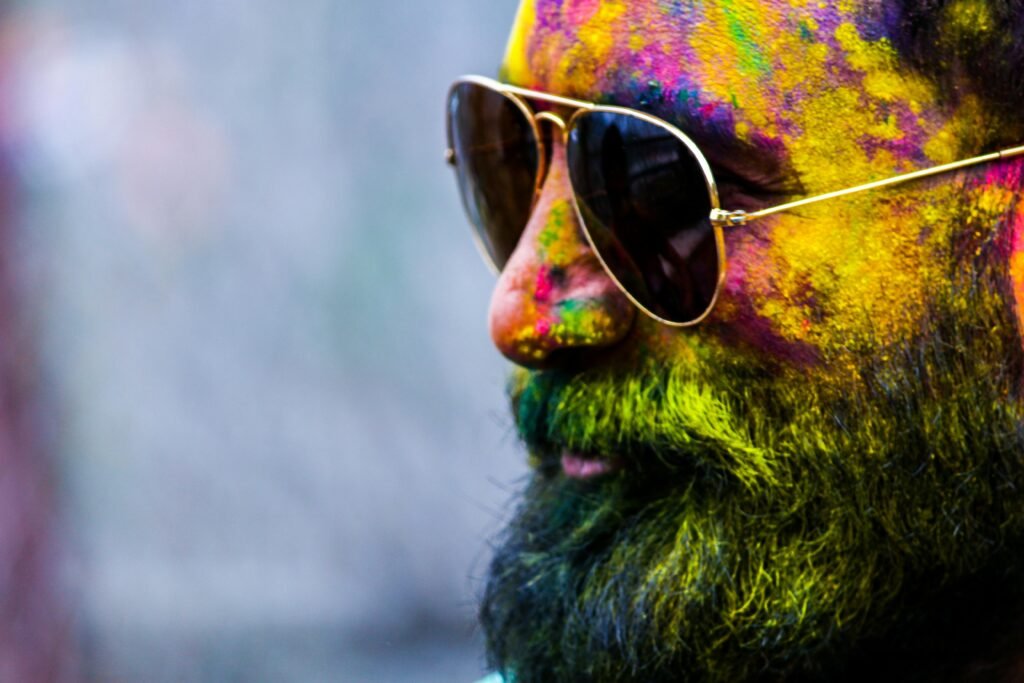
Holi, often referred to as the Festival of Colors, is one of India’s most vibrant and joyous celebrations. It marks the arrival of spring and the triumph of good over evil. Rooted in Hindu mythology, Holi is associated with the legend of Prahlad and Holika, symbolizing the victory of devotion and righteousness. The festival is celebrated with Gulal (colored powders), water guns, music, dancing, and traditional sweets, creating an atmosphere of pure joy and unity.
The Cultural Significance of Holi in India
Holi is much more than just a festival of colors; it’s a cultural phenomenon that brings people together, transcending social and economic barriers. It’s a time when friends, families, and communities gather to celebrate unity, forgiveness, and renewal. In India, Holi is also an opportunity to strengthen relationships, as people visit each other’s homes, exchange sweets, and smear colors on one another as a gesture of affection. The festival’s roots in ancient traditions and its ability to foster harmony make it a deeply meaningful event in Indian culture.
For travelers, experiencing Holi is a chance to immerse yourself in India’s rich heritage and witness the country’s spirit of togetherness. Whether you’re a budget traveler, a digital nomad, or a family exploring India, Holi offers an unforgettable experience that’s both lively and heartwarming.
Planning Your Trip
Best Places to Celebrate Holi in India
Holi, the festival of colors, is celebrated with unparalleled enthusiasm across India, but some destinations stand out for their unique traditions and vibrant energy. Here are the top places to experience Holi:
- Mathura and Vrindavan: The birthplace of Lord Krishna, these cities host week-long celebrations with traditional rituals, music, and dance.
- Jaipur: Known for the Elephant Festival, where decorated elephants parade through the streets, adding a royal touch to the festivities.
- Udaipur: Celebrate Holi with a regal vibe at the City Palace, where cultural performances and traditional rituals take center stage.
- Delhi: The capital city offers a mix of modern and traditional celebrations, with lively street parties and cultural events.
- Pushkar: A more laid-back and spiritual Holi experience, perfect for those seeking a blend of colors and serenity.
Timing Your Visit: When is Holi Celebrated?
Holi is a spring festival, and its date varies each year based on the Hindu lunar calendar. It typically falls in March, but it’s essential to check the exact dates for your travel year. Here’s a quick guide:
- Holika Dahan: The eve of Holi, marked by bonfires symbolizing the triumph of good over evil. This usually occurs the night before the main festival.
- Rangwali Holi: The main day of celebration, where people play with colors, dance, and enjoy festive foods.
Planning your trip around these dates ensures you don’t miss the heart of the celebration. Keep in mind that Holi is a public holiday in India, so book accommodations and transportation well in advance to secure the best deals.
Preparing for the Festival
What to Wear During Holi
When it comes to Holi, your outfit choice is as important as your spirit for fun. Opt for old, comfortable clothes that you don’t mind getting stained, as the festival is all about vibrant colors. Lightweight, breathable fabrics like cotton are ideal since you’ll be outdoors most of the day. A white t-shirt or kurta can make the colors pop even more, but remember, it will likely be permanently dyed by the end of the celebration. For bottoms, consider wearing loose-fitting pants or a skirt that allows you to move freely. Avoid anything too expensive or delicate. Don’t forget to cover your head with a scarf or bandana to protect your hair from color damage. Footwear should be sturdy yet disposable—flip-flops or sandals work best as they’re easy to clean.
Essential Items to Carry
Packing the right items can make your Holi experience smoother and more enjoyable. Here’s a quick checklist of essentials:
- Sunscreen: The festival often involves hours under the sun, so protect your skin with a good SPF.
- Water bottle: Stay hydrated throughout the day, especially if you’re in a hot and crowded area.
- Sunglasses: Shield your eyes from color powder and bright sunlight.
- Plastic bags: Carry a few to store your stained clothes or wet items after the celebration.
- Baby oil or coconut oil: Apply it on your skin and hair to make it easier to wash off the colors later.
- Quick snacks: Energy bars or nuts can be a lifesaver if you’re out for hours.
- Camera or phone cover: Protect your gadgets from water and color splashes with a waterproof case.
By being prepared, you can fully immerse yourself in the joy of Holi without worrying about the little details.
Experiencing Holi Like a Local
Joining Community Celebrations
One of the best ways to experience Holi authentically is by immersing yourself in local community celebrations. Unlike organized events, these gatherings offer a raw, unfiltered glimpse into the joyous spirit of the festival. Start by asking locals for recommendations or look for smaller, neighborhood Holi gatherings. Many communities welcome visitors with open arms, making it easy to join in the fun. Don’t be afraid to dance to traditional folk music or participate in rituals—locals will appreciate your enthusiasm and willingness to embrace their culture.
For budget travelers and digital nomads, these community celebrations are often free or low-cost, making them an excellent option for saving money while having a memorable experience. If you’re traveling solo, joining a local celebration can also be a great way to meet new people and feel part of the festivities.
Playing with Colors Safely and Respectfully
Playing with colors is the heart of Holi, but it’s essential to do so safely and respectfully. Opt for natural, eco-friendly colors instead of synthetic ones, which can be harmful to your skin and the environment. You can usually find these in local markets or organic shops. Before heading out, apply a layer of coconut oil or Vaseline to your skin and hair to make it easier to wash off the colors later.
Here are a few tips to keep in mind:
- Respect boundaries: Always ask before applying color to someone, especially elders or strangers.
- Dress appropriately: Wear old clothes you don’t mind getting stained, and avoid white or expensive outfits.
- Stay hydrated: Holi is traditionally celebrated with thandai (a spiced milk drink), but ensure you drink plenty of water to stay refreshed.
For families traveling with children, it’s a good idea to bring along hypoallergenic colors and keep an eye on little ones to ensure they’re safe and comfortable. Cultural tourists and adventurers alike will find that embracing the playful chaos of Holi is a highlight of their trip to India.
Staying Safe During Holi
Tips for Personal Safety and Health
Holi is a vibrant and joyous festival, but it’s essential to stay mindful of your health and safety. Protect your skin and hair by applying coconut oil or a thick moisturizer before stepping out. This creates a barrier that makes it easier to wash off the colors later. If you’re sensitive to synthetic colors, opt for natural, organic ones to avoid skin irritation.
Stay hydrated throughout the day, especially if you’re celebrating outdoors under the sun. Carry a water bottle and take regular breaks to avoid dehydration. It’s also a good idea to wear old clothes and shoes that you don’t mind getting stained or damaged.
- Avoid rubbing your eyes if color gets in—rinse them with clean water immediately.
- Carry a small first-aid kit with essentials like band-aids and antiseptic cream.
- If you have allergies or respiratory issues, wear a mask to avoid inhaling powdered colors.
Handling Crowds and Transportation
Holi celebrations can get crowded, especially in popular areas. Plan your route in advance and avoid overly packed streets if you’re uncomfortable in large gatherings. Stick to well-known, public spaces where celebrations are more organized.
Public transportation might be limited or crowded during Holi, so consider using ride-sharing apps or pre-booking a taxi. If you’re traveling alone, let someone know your plans and share your location with a trusted friend or family member.
- Keep your belongings secure in a waterproof bag or pouch.
- Avoid carrying valuables like expensive jewelry or large amounts of cash.
- If you’re driving, park your vehicle in a safe, designated area to avoid damage from color or water.
Finally, stay aware of your surroundings and trust your instincts. If a situation feels unsafe, don’t hesitate to move to a calmer area. Holi is about fun and connection, so prioritize your comfort and well-being while enjoying the festivities.
Budget-Friendly Tips
Affordable Accommodations
Finding budget-friendly places to stay during Holi doesn’t have to be a challenge. Opt for hostels or guesthouses, which are not only affordable but also great for meeting fellow travelers. Platforms like Hostelworld or Airbnb often have deals, especially if you book early. For digital nomads or families, consider homestays where you can enjoy a local experience at a fraction of the cost. Another tip is to stay slightly outside the main festival hotspots—this can save you both money and the hustle of crowded areas.
Food Options That Won’t Break the Bank
Street food is your best friend during Holi. From pani puri to samosas, Indian street vendors offer delicious and affordable bites. Look for busy stalls—this usually means the food is fresh and popular with locals. For meals, try local thali restaurants, which offer a variety of dishes at a fixed, budget-friendly price. If you’re traveling with children or have dietary restrictions, many cities have vegetarian or vegan-friendly eateries that are both safe and affordable.
How to Save Money While Enjoying the Festival

Here are some practical tips to make the most of Holi without overspending:
- Travel in groups: Splitting costs for accommodations, transport, and even festival supplies like colors can make a big difference.
- Use public transport: Avoid costly taxis and opt for buses or trains—they’re not only cheaper but also a great way to experience local culture.
- Buy colors and supplies locally: Skip tourist shops and purchase your Holi powders and accessories from local markets for better deals.
- Plan ahead: Early bookings for flights and accommodations often come with discounts, especially during peak festival seasons.
Capturing the Memories
Holi, the festival of colors, is a visual spectacle that deserves to be immortalized. Whether you’re a seasoned photographer or just snapping with your smartphone, capturing the essence of Holi can be both fun and challenging. Here’s how you can make the most of this vibrant experience.
Best Ways to Photograph Holi
Protect your equipment: Holi’s colorful powders and water can damage your camera or phone. Use a waterproof cover or a protective case to shield your devices. For DSLR users, a UV filter can safeguard the lens.
Focus on the action: Holi is all about movement and joy. Capture candid moments of people laughing, dancing, and throwing colors. Fast shutter speeds can help freeze these dynamic scenes.
Play with light: The festival often takes place in broad daylight, so use natural light to your advantage. Experiment with backlighting to highlight the colors and create stunning silhouettes.
Get close, but not too close: Zoom in to capture the intricate details of colored faces and hands, but respect personal space. A mix of close-ups and wide-angle shots will tell a complete story.
Edit wisely: Post-processing can enhance your photos, but don’t overdo it. Keep the colors vibrant and natural to reflect the true spirit of Holi.
Staying Connected: Internet and Communication Tips
Staying connected during Holi is essential, especially if you’re sharing your adventures in real-time or navigating unfamiliar areas. Here’s how to stay online without hassle:
- Get a local SIM card: If you’re staying for a while, consider purchasing a local SIM card with a good data plan. Providers like Airtel and Jio offer affordable options with reliable coverage.
- Use offline maps: Download maps of your area through apps like Google Maps or Maps.me before heading out. This ensures you can navigate even without an internet connection.
- Protect your devices: Just like your camera, your phone needs protection from water and colors. Use a waterproof case or a zip-lock bag for added safety.
- Find Wi-Fi hotspots: Many cafes, restaurants, and public spaces offer free Wi-Fi. However, avoid sharing sensitive information over public networks and use a VPN for added security.
- Charge up: Carry a portable charger to keep your devices powered throughout the day. Festivals are unpredictable, and you don’t want to miss capturing a perfect moment.
FAQ: Capturing and Sharing Holi Memories
Q: Can I use my phone to take pictures during Holi?
A: Absolutely! Just make sure to protect it with a waterproof case or cover.
Q: What’s the best time to photograph Holi?
A: Mid-morning to early afternoon offers the best natural lighting for vibrant photos.
Q: How can I share my photos and videos instantly?
A: Use social media platforms like Instagram or Facebook. For larger files, consider cloud storage options like Google Drive or Dropbox.
Holi is more than just a festival—it’s a sensory explosion of colors, laughter, and connection. With these tips, you’ll not only capture stunning memories but also stay connected to share the joy with the world. So, grab your camera, protect your gear, and dive into the colorful chaos!

About Grace Castle
Grace Castle, 29, is a passionate traveler and digital nomad who turned her love for exploring the world into a career. With years of experience traveling across different countries, she has mastered the art of smart travel planning, working remotely while discovering new destinations.
An expert in budget travel, local culture, and remote work, Grace shares valuable tips for those looking to travel more while spending less. Her mission is to help fellow travelers explore the world with ease, safety, and authentic experiences.
When she’s not writing about her adventures, Grace can be found discovering cozy cafés, learning new languages, or planning her next trip.