Introduction to Free Camping in Europe
What is Free Camping and Why It’s a Great Option
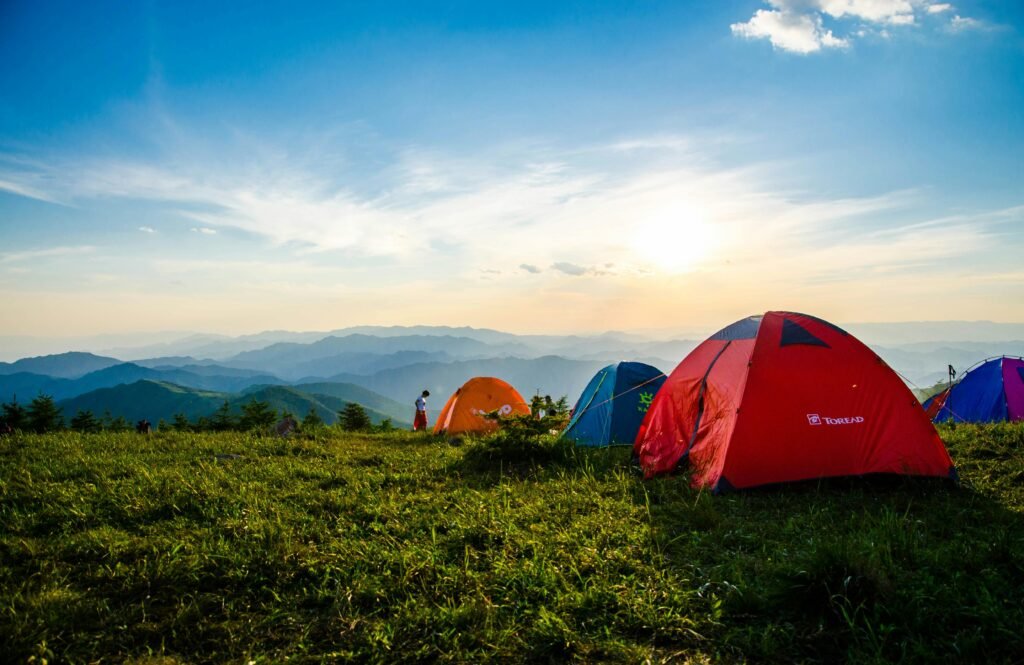
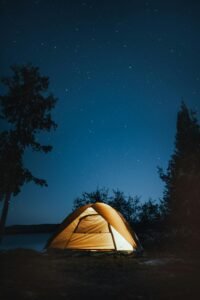
Free camping, also known as wild camping, is the practice of setting up camp in natural areas without paying for designated campsites. It’s a fantastic way to immerse yourself in Europe’s breathtaking landscapes, from rolling hills to pristine beaches, all while saving money on accommodations. For budget travelers, digital nomads, and adventurers alike, free camping offers unparalleled freedom and flexibility to explore off-the-beaten-path destinations.
Beyond the financial benefits, free camping allows you to connect deeply with nature, enjoy serene solitude, and experience Europe in a way that traditional tourism often doesn’t permit. Whether you’re a solo traveler seeking tranquility or a family looking for an unforgettable outdoor adventure, free camping can be a rewarding and enriching experience.
Legal Considerations and Rules to Follow
While free camping is an attractive option, it’s essential to understand the legal landscape to avoid fines or disruptions. Laws vary widely across Europe, so always research the specific regulations of the country or region you plan to visit. For example:
- Nordic countries like Norway and Sweden generally allow free camping under the “right to roam” principle, as long as you respect nature and private property.
- In Southern Europe, such as Spain and Italy, free camping is often restricted or prohibited, except in certain designated areas.
- National parks and protected areas typically have stricter rules, so always check local guidelines.
Here are some golden rules to follow when free camping:
- Leave no trace: Pack out all your trash and leave the environment as you found it.
- Respect private property: Avoid camping on land without the owner’s permission.
- Be discreet: Set up camp late and leave early to minimize your impact.
- Stay informed: Check for local regulations or recent changes in the law.
By adhering to these guidelines, you can enjoy free camping responsibly while preserving Europe’s natural beauty for future generations.
Best Countries in Europe for Free Camping
Top Countries with Free Camping-Friendly Laws
Europe is a dream destination for campers, especially those looking to explore without breaking the bank. Some countries stand out for their free camping-friendly laws, making it easier to pitch a tent legally and enjoy nature. Here are a few top picks:
- Sweden: Thanks to the Allemansrätten (Everyman’s Right), you can camp almost anywhere in the wilderness as long as you respect nature and private property.
- Norway: Similar to Sweden, Norway allows free camping in uncultivated land, offering stunning fjords and mountains as your backdrop.
- Scotland: The Land Reform Act permits wild camping in most unenclosed areas, making it a paradise for adventurers.
Hidden Gems and Lesser-Known Spots
While popular camping destinations are fantastic, some hidden gems offer tranquility and unique experiences away from the crowds. Here are a few under-the-radar spots:
- Slovenia: With its lush green landscapes and fewer tourists, Slovenia is perfect for free camping near Lake Bled or in the Julian Alps.
- Estonia: This Baltic country has numerous forests and coastal areas where you can camp freely, like Lahemaa National Park.
- Portugal’s Alentejo Region: Known for its vast open spaces and rolling hills, it’s an excellent spot for quiet camping under the stars.
Practical Tips for Free Camping in Europe
To make the most of your free camping experience, keep these practical tips in mind:
- Always check local regulations to ensure camping is permitted in your chosen spot.
- Practice Leave No Trace principles—clean up after yourself and leave nature as you found it.
- Bring essential gear like a sturdy tent, warm sleeping bag, and portable stove to stay prepared.
Whether you’re a seasoned camper or a first-timer, Europe offers endless opportunities to explore its diverse landscapes without spending a fortune. The key is to plan ahead, respect the environment, and embrace the adventure!
Essential Gear for Free Camping
When it comes to free camping around Europe, having the right gear can make all the difference between a memorable adventure and a frustrating experience. Whether you’re a seasoned backpacker or a first-time camper, packing smart is key. Here’s a breakdown of the must-have camping gear that ensures comfort, safety, and convenience—without breaking the bank.
Shelter and Sleeping Essentials
Your shelter is your home away from home, so invest wisely. A lightweight tent is a non-negotiable for free camping. Look for one that’s easy to set up, weather-resistant, and compact. Pair it with a sleeping bag suited to the season—opt for a budget-friendly synthetic one if you’re traveling in warmer months. Don’t forget a sleeping pad or inflatable mattress for added comfort and insulation from the ground.
Cooking and Food Supplies
Eating well on the road doesn’t have to be expensive or complicated. A portable camping stove is a game-changer, allowing you to cook meals anywhere. Pair it with lightweight cookware like a compact pot and utensil set. For food storage, reusable containers and a cooler bag can keep your ingredients fresh. Pro tip: Pack non-perishable staples like pasta, rice, and canned goods to save money and reduce waste.
Clothing and Footwear
Europe’s weather can be unpredictable, so layering is your best friend. Pack moisture-wicking base layers, a lightweight jacket, and a waterproof outer layer. Comfortable, durable footwear is essential—whether you’re hiking or exploring cities, a pair of sturdy walking shoes or hiking boots will serve you well. Don’t forget a hat and sunglasses for sun protection!
Safety and Navigation Tools
Safety should always be a priority. A first aid kit with essentials like bandages, antiseptic, and pain relievers is a must. A multi-tool can come in handy for everything from cutting rope to fixing gear. For navigation, a reliable map and compass are essential backups to your smartphone. If you’re camping in remote areas, consider a portable charger or solar-powered battery to keep your devices powered.
Lightweight and Budget-Friendly Recommendations
- Tent: Naturehike Cloud-Up 2 (lightweight and affordable)
- Sleeping Bag: Teton Sports TrailHead (great for budget travelers)
- Stove: BRS Ultralight Stove (compact and efficient)
- Cookware: GSI Outdoors Pinnacle Camper (lightweight and versatile)
- Footwear: Merrell Moab 2 (comfortable and durable)
Remember, the goal is to pack light and smart. Focus on versatile, multi-purpose items that save space and weight. With the right gear, you’ll be ready to embrace the freedom and adventure of free camping across Europe!
Finding Free Campsites in Europe
Apps and Websites to Locate Free Campsites
Finding free campsites in Europe has never been easier, thanks to a variety of apps and websites designed to help travelers locate the perfect spot. Here are some of the best tools to get you started:
- Park4Night: This app is a favorite among campers, offering a vast database of free and low-cost campsites, parking spots, and wild camping locations. It’s user-friendly and regularly updated by the community.
- iOverlander: Ideal for overlanders and van lifers, this app provides detailed information on campsites, including user reviews, photos, and amenities. It’s particularly useful for finding hidden gems off the beaten path.
- CamperContact: While primarily focused on paid campsites, this app also lists free spots, especially in urban areas. It’s great for those looking for a mix of free and affordable options.
- FreeRoam: This app combines campsite locations with weather forecasts and public land maps, making it a versatile tool for planning your stay. It’s especially helpful for those who prefer remote and scenic spots.
Tips for Scouting Safe and Legal Spots

While free camping can be an incredible experience, it’s essential to ensure you’re staying in safe and legal locations. Here are some practical tips to help you scout the perfect spot:
- Research Local Laws: Camping regulations vary widely across Europe. Some countries, like Sweden and Norway, allow wild camping under the right to roam, while others, like Italy and Greece, have stricter rules. Always check local laws before setting up camp.
- Look for Designated Areas: Many countries offer designated free camping areas, often with basic amenities like toilets and water. These spots are usually safe and legal, making them a great option for first-time campers.
- Ask Locals for Advice: Locals often know the best spots that aren’t listed on apps or websites. Don’t hesitate to ask for recommendations, but always respect private property and local customs.
- Leave No Trace: One of the golden rules of free camping is to leave the area as you found it. Pack out all your trash, avoid disturbing wildlife, and minimize your impact on the environment.
- Stay Safe: Choose well-lit, populated areas if you’re camping alone or with family. Trust your instincts—if a spot feels unsafe, it’s better to move on.
With these tools and tips, you’ll be well-equipped to find free campsites across Europe that are both safe and legal. Happy camping!
Staying Safe and Respectful While Camping
Safety Tips for Solo Travelers and Families
Whether you’re exploring Europe alone or with your loved ones, safety should always be your top priority. For solo travelers, always share your itinerary with someone you trust and check in regularly. Stick to well-lit, populated areas, especially at night. Families, on the other hand, should ensure that campsites are child-friendly and have clear boundaries. Teach children basic safety rules, like staying within sight and knowing what to do if they get lost.
Pack a first-aid kit for emergencies and research nearby medical facilities in advance. Pro tip: Carry a whistle or personal alarm—it’s a simple yet effective way to signal for help if needed.
How to Leave No Trace and Respect Nature
Camping is a wonderful way to connect with nature, but it’s essential to leave the environment as pristine as you found it. Follow the Leave No Trace principles:
- Pack out all trash, including biodegradable items like food scraps.
- Use designated campsites to minimize your impact on the landscape.
- Keep a safe distance from wildlife and avoid feeding animals.
- Use eco-friendly products, such as biodegradable soap, and avoid contaminating water sources.
Respect local regulations and cultural norms, especially in protected areas. Remember, your actions today ensure these beautiful places remain for future generations.
Staying Aware of Local Laws and Customs
Every country in Europe has its own camping laws and cultural expectations. Some places allow wild camping, while others require permits or restrict it entirely. Research the rules for your destination to avoid fines or misunderstandings. For example, in countries like Sweden, wild camping is widely permitted under the “Allemansrätten” (Everyman’s Right), while in Spain, it’s strictly regulated.
Be mindful of local customs, too. For instance, noise levels, campfire rules, and even how you interact with locals may vary. A little preparation goes a long way in ensuring a smooth and respectful experience.
Combining Work and Travel as a Digital Nomad
Tips for Working Remotely While Camping
Balancing work and camping might seem challenging, but with the right approach, it can be incredibly rewarding. Plan your work schedule around nature—early mornings or evenings are often quieter and more productive. Invest in lightweight, portable gear like a foldable laptop stand and a compact solar charger to keep your devices powered. A comfortable, weatherproof tent with good ventilation can double as your temporary office.
Here are a few practical tips:
- Set boundaries: Allocate specific hours for work and leisure to avoid burnout.
- Stay organized: Use waterproof bags to protect your electronics and important documents.
- Embrace flexibility: Be prepared to adapt to changing weather or connectivity issues.
Finding Reliable Internet in Remote Areas
Staying connected while camping in remote areas is crucial for digital nomads. Research your campsite beforehand to ensure it has decent mobile coverage or Wi-Fi. Many campgrounds in Europe now offer designated areas with internet access. Alternatively, invest in a portable Wi-Fi hotspot or a local SIM card with a generous data plan.
Here’s how to stay connected:
- Use offline tools: Download maps, documents, and apps that don’t require constant internet access.
- Signal boosters: Consider a signal booster to enhance weak mobile connections.
- Backup plans: Identify nearby cafes or libraries with reliable Wi-Fi in case your primary connection fails.
Budget-Friendly Tips for Camping in Europe
Camping in Europe doesn’t have to break the bank. With a little planning and creativity, you can enjoy an unforgettable adventure while keeping costs low. Here are some practical tips to help you save on food, transportation, and activities, ensuring you make the most of your camping trip.
Save on Food
One of the easiest ways to cut costs is by preparing your own meals. Here’s how:
- Shop at local markets: Stock up on fresh, affordable produce and essentials at local supermarkets or farmers’ markets.
- Cook at your campsite: Most campsites have communal kitchens or BBQ areas. Bring a portable stove or use campfire cooking to whip up delicious meals.
- Pack non-perishables: Bring items like pasta, rice, and canned goods to save on last-minute purchases.
Save on Transportation
Getting around Europe can be surprisingly affordable if you know where to look:
- Use public transport: Trains and buses are often cheaper than renting a car. Look for regional passes or discount cards.
- Hitchhike or carpool: In some countries, hitchhiking is safe and common. Apps like BlaBlaCar are great for finding rideshares.
- Walk or cycle: Many European cities and countryside areas are pedestrian and bike-friendly, saving you money while staying active.
Save on Activities
Europe is full of free or low-cost activities that let you soak in the culture and nature:
- Explore free attractions: Many museums, parks, and historical sites offer free entry on certain days or times.
- Hike and swim: Europe’s natural beauty is free to enjoy. Research local trails, beaches, and lakes for budget-friendly adventures.
- Join free walking tours: These are a great way to learn about a city’s history and culture without spending a dime.
Make the Most of Your Camping Adventure
To truly maximize your experience, keep these tips in mind:
- Travel off-season: Prices for campsites and transportation are often lower, and you’ll avoid the crowds.
- Connect with locals: They can offer insider tips on hidden gems and budget-friendly spots.
- Be flexible: Spontaneity can lead to unexpected adventures and savings.
FAQ
- Is camping in Europe safe?
- Yes, most campsites in Europe are safe and well-maintained. Always research reviews and choose reputable sites.
- Can I camp for free in Europe?
- Yes, wild camping is allowed in some countries, but always check local regulations to avoid fines.
- What’s the best way to find cheap campsites?
- Use apps like Park4Night or websites like Pitchup to compare prices and find budget-friendly options.
With these tips, you’re ready to embark on a budget-friendly camping adventure across Europe. Happy travels!

About Grace Castle
Grace Castle, 29, is a passionate traveler and digital nomad who turned her love for exploring the world into a career. With years of experience traveling across different countries, she has mastered the art of smart travel planning, working remotely while discovering new destinations.
An expert in budget travel, local culture, and remote work, Grace shares valuable tips for those looking to travel more while spending less. Her mission is to help fellow travelers explore the world with ease, safety, and authentic experiences.
When she’s not writing about her adventures, Grace can be found discovering cozy cafés, learning new languages, or planning her next trip.