 Why Portugal is Perfect for Slow Travel
 Why Portugal is Perfect for Slow Travel
Affordable and Budget-Friendly Destinations
Portugal is a dream come true for budget travelers, offering exceptional value without compromising on experiences. From charming guesthouses to local family-run restaurants, your money stretches further here than in most Western European countries. Consider:
- Affordable accommodations: Dorm beds from €12, private rooms from €25, and entire apartments for €45–€70/night.
- Delicious meals on a budget: A full Portuguese breakfast for under €5, hearty lunches for €10, and wine for as little as €2 a glass.
- Free attractions: Stunning beaches, hilltop viewpoints, and historic neighborhoods like Alfama are entirely free to explore.
Rich Culture and History at Every Turn
Few places blend history, culture, and modern vibrancy as seamlessly as Portugal. Wander through medieval villages, listen to melancholic fado music drifting from candlelit taverns, or marvel at intricate azulejo-adorned churches.
Highlights for cultural tourists include:
- Lisbon’s historic tram 28 route, passing centuries-old landmarks.
- Porto’s Ribeira district, a UNESCO World Heritage Site.
- The mysterious megaliths of Évora, older than Stonehenge.
Ideal for Digital Nomads and Solo Travelers
Portugal has become a hotspot for remote workers and independent explorers, thanks to reliable Wi-Fi, a welcoming atmosphere, and a growing digital nomad community. Key perks:
- Strong infrastructure: Coworking spaces like Second Home Lisboa and cafés with fast internet in every major town.
- Safety first: One of Europe’s safest countries, perfect for solo travelers—especially women.
- Nomad-friendly visas: The D7 and Digital Nomad Visa make long stays hassle-free.
With its relaxed pace, affordability, and endless discoveries, Portugal invites you to trade rushed itineraries for meaningful connections and unforgettable moments—one cobblestone lane at a time.
Top Hidden Towns to Explore
Monsanto: The Village of Stones
Nestled in the heart of Portugal, Monsanto is a unique village where nature and architecture intertwine. Known as the “village of stones,” its houses are literally built into giant boulders, creating a surreal landscape. Stroll through its narrow cobblestone streets, marvel at the medieval castle ruins, and soak in the breathtaking views of the surrounding countryside. For budget travelers, the village offers affordable guesthouses and local eateries serving hearty, traditional meals. Digital nomads will appreciate the peaceful atmosphere, perfect for remote work, while solo travelers can safely explore its charm at their own pace.
Marvão: A Medieval Fortress Town
Perched high on a granite hill, Marvão is a medieval gem that feels like stepping back in time. Its formidable castle walls offer panoramic views of the lush landscape, making it a favorite among adventurers and photographers. Wander through its whitewashed houses and quaint streets, or visit the local museum to dive into its rich history. For families, the town’s safe and walkable environment is ideal for a calm and enriching experience. Budget-conscious travelers can find reasonably priced accommodations, and cultural tourists will relish the town’s authenticity and charm.
Sortelha: Timeless Charm and Tranquility
Step into Sortelha, a village frozen in time, where ancient stone walls and rustic cottages tell stories of centuries past. Its well-preserved medieval architecture and serene atmosphere make it a haven for those seeking tranquility. Young couples and backpackers will love exploring its labyrinthine streets and hidden corners, while ecotourists can hike the scenic trails nearby. Affordable inns and local taverns offer a taste of authentic Portuguese life without breaking the bank. For first-time travelers, Sortelha is a safe and welcoming destination that’s easy to navigate.
Practical Tips for Slow Travel in Portugal
Saving on Accommodation and Transportation
One of the best ways to stretch your budget while slow traveling in Portugal is by opting for affordable accommodations like guesthouses, hostels, or Airbnb stays. Platforms like Booking.com and Hostelworld often have great deals, especially if you book in advance or during the off-season. For longer stays, consider renting a local apartment—it’s often cheaper than hotels and gives you a more authentic experience.
When it comes to transportation, public transport is your best friend. Portugal’s trains and buses are reliable, comfortable, and budget-friendly. The CP train network connects most major cities and hidden towns, while regional buses like Rede Expressos are perfect for reaching smaller destinations. If you prefer flexibility, renting a car can be economical if you split costs with other travelers. Don’t forget to check out BlaBlaCar for shared rides!
Best Local Eateries and Street Food
Portugal is a food lover’s paradise, and you don’t need to splurge to enjoy its culinary delights. Seek out local tascas (small family-run restaurants) and mercados (markets) for hearty, affordable meals. In Lisbon, don’t miss the iconic Time Out Market, where you can sample a variety of dishes without breaking the bank. For a quick bite, try Portugal’s famous street food like pastéis de nata (custard tarts) or bifanas (pork sandwiches).
In smaller towns, ask locals for their favorite spots—they’ll often point you to hidden gems that aren’t in guidebooks. Lunch is usually the most budget-friendly meal of the day, with many restaurants offering pratos do dia (daily specials) at a fraction of the dinner price.
How to Stay Connected as a Digital Nomad
Portugal is a digital nomad’s dream, with excellent internet infrastructure and plenty of coworking spaces. Most cafes and accommodations offer free Wi-Fi, and 4G coverage is widespread. If you’re staying long-term, consider getting a local SIM card from providers like NOS or Vodafone for affordable data plans.
Cities like Lisbon, Porto, and Faro are hotspots for remote workers, with coworking spaces like Second Home Lisboa and Porto i/o offering inspiring environments to work from. For a quieter vibe, smaller towns like Évora and Coimbra also have coworking options, often with lower prices and a more relaxed atmosphere.
Lastly, don’t underestimate the power of cafes with Wi-Fi—Portugal has countless charming spots where you can sip a bica (espresso) while working. Just remember to be respectful and order something if you plan to stay for a while!
Authentic experiences for every traveler
Cultural tours and local festivals
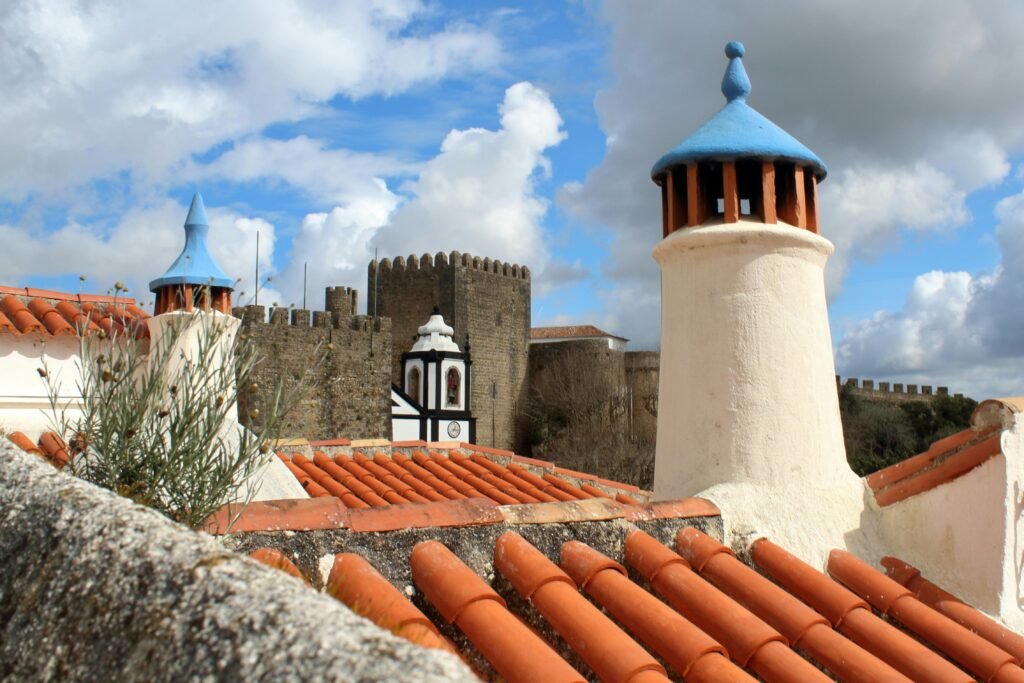
Portugal is a treasure trove of cultural experiences that won’t break the bank. Wander through the cobblestone streets of Óbidos, a medieval town that feels like stepping back in time, or explore the vibrant Alfama district in Lisbon, where Fado music echoes through the alleys. For a truly local experience, time your visit with one of Portugal’s many festivals. The Festa de São João in Porto or the Feira de São Mateus in Viseu offer lively celebrations filled with music, food, and tradition. These events are often free or low-cost, making them perfect for budget travelers and cultural tourists alike.
Nature hikes and hidden beaches
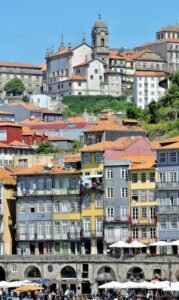
For adventurers and ecotourists, Portugal’s landscapes are a dream come true. Lace up your hiking boots and explore the Rota Vicentina, a network of trails that wind along the Alentejo and Algarve coastlines, offering breathtaking views of cliffs and hidden coves. Prefer something more secluded? Head to Praia da Amália, a serene beach tucked away near Lagos, or the Douro Valley, where vineyards meet the river in a stunning natural tableau. These spots are perfect for digital nomads seeking inspiration or solo travelers craving tranquility.
Family-friendly activities and safe stays
Traveling with kids? Portugal has plenty of family-friendly options that everyone will love. Spend a day at Zoomarine in the Algarve, where marine life encounters and water parks offer hours of entertainment. For a calmer experience, visit the Sintra-Cascais Natural Park, where gentle hikes and historical palaces create a magical setting. Accommodations are also a breeze—opt for family-run guesthouses or holiday rentals, which often provide more space and amenities at a fraction of the cost of hotels. Safety is a priority here, making Portugal an ideal destination for families and first-time travelers.
Planning your trip: Step-by-step guide
Best time to visit for budget savings
Timing is everything when it comes to saving money on travel. For Portugal’s hidden towns, consider visiting during the shoulder seasons—spring (April to June) and autumn (September to October). These months offer pleasant weather, fewer crowds, and lower prices on flights and accommodations. Winter (November to February) can also be a great time for budget travelers, especially in milder regions like the Algarve, where you can enjoy quieter towns and off-season discounts. Avoid peak summer months if you’re looking to save, as prices skyrocket and popular spots become crowded.
Packing essentials for slow travel
Slow travel is all about savoring the journey, so pack smart and light. Here’s a quick checklist to ensure you’re prepared:
- Comfortable shoes: You’ll be walking a lot in Portugal’s cobblestone streets and scenic trails.
- Layers of clothing: Weather can vary, especially in mountainous or coastal areas.
- Reusable water bottle: Stay hydrated and reduce plastic waste (Portugal’s tap water is safe to drink).
- Power bank: Keep your devices charged for navigation and capturing memories.
- Notebook or journal: Jot down your thoughts and experiences as you explore.
Remember, slow travel is about simplicity, so avoid overpacking and focus on essentials.
Safety tips for solo and family travelers
Portugal is one of the safest countries in Europe, but it’s always wise to take precautions. Here are some tips to ensure a stress-free trip:
- For solo travelers: Stick to well-lit and populated areas, especially at night. Share your itinerary with someone you trust and keep copies of important documents in a secure place.
- For families: Choose accommodations with family-friendly amenities and safety features. Always supervise children near water or in bustling areas.
- Emergency numbers: Save Portugal’s emergency number (112) on your phone. It’s free and works for police, fire, and medical emergencies.
- Stay aware of your surroundings: While Portugal is safe, petty theft can occur in tourist-heavy areas. Keep an eye on your belongings and avoid displaying valuables.
With a little preparation, you’ll feel confident and secure as you explore Portugal’s hidden gems.
Why Slow Travel Transforms Your Journey
Slow travel isn’t just a trend; it’s a mindset that transforms how you experience the world. By prioritizing quality over quantity, you’ll discover deeper connections to the places you visit, the people you meet, and even yourself. Here’s how slow travel can elevate your journey, especially in the idyllic hidden towns of Portugal.”
Benefits of Immersing in Local Life
When you take the time to truly immerse yourself in a destination, you unlock authentic experiences that go beyond the typical tourist checklist. In Portugal’s lesser-known towns, you might spend a morning learning how to bake traditional pastries with a local baker or join a family-run vineyard for a wine-tasting session. These moments not only enrich your trip but also foster a genuine understanding of the culture. Plus, you’re supporting local economies, which is a win-win for everyone.
- Connect with locals: Build friendships and gain insider tips.
- Learn new skills: From cooking to crafts, hands-on experiences are unforgettable.
- Discover hidden gems: Explore places that aren’t on the usual tourist radar.
Sustainable and Eco-Friendly Travel
Slow travel is inherently eco-friendly. By staying longer in one place, you reduce your carbon footprint from constant transportation. In Portugal’s hidden towns, you can enjoy activities like hiking, biking, or even walking tours that have minimal environmental impact. Many of these destinations also prioritize sustainability, offering eco-lodges and farm-to-table dining options. Traveling slowly allows you to appreciate the beauty of nature while protecting it for future generations.
“The earth is what we all have in common. Traveling sustainably isn’t just a choice; it’s a responsibility.”
Creating Lasting Memories with Loved Ones
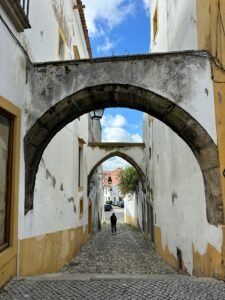
Slow travel is perfect for building meaningful memories with family, friends, or even yourself. Whether you’re exploring the cobblestone streets of a quaint village or sharing stories over a traditional Portuguese meal, these moments become the highlights of your journey. For families, it’s a chance to bond without the rush. For solo travelers, it’s an opportunity to reflect and grow. And for couples, it’s a romantic escape into the heart of Portugal’s charm.
- Quality time: Focus on experiences rather than ticking off attractions.
- Shared adventures: Create stories you’ll talk about for years.
- Personal growth: Learn to appreciate the little things in life.
FAQ About Slow Travel in Portugal
- Is slow travel expensive?
- Not necessarily. By staying in one place longer, you can often negotiate better rates for accommodations and save on transportation costs.
- Is Portugal a good destination for slow travel?
- Absolutely! Portugal’s hidden towns offer a perfect blend of culture, nature, and tranquility, making them ideal for slow travel.
- How do I plan a slow travel itinerary?
- Focus on one or two towns, research local experiences, and allow plenty of time to explore at your own pace.
Slow travel isn’t just about seeing more—it’s about experiencing more. By embracing this approach, you’ll return home with a richer, more fulfilling sense of the world and your place in it. So, pack your bags, slow down, and let Portugal’s hidden towns work their magic on you.

About Grace Castle
Grace Castle, 29, is a passionate traveler and digital nomad who turned her love for exploring the world into a career. With years of experience traveling across different countries, she has mastered the art of smart travel planning, working remotely while discovering new destinations.
An expert in budget travel, local culture, and remote work, Grace shares valuable tips for those looking to travel more while spending less. Her mission is to help fellow travelers explore the world with ease, safety, and authentic experiences.
When she’s not writing about her adventures, Grace can be found discovering cozy cafés, learning new languages, or planning her next trip.