 Introduction to Portugal’s Hidden Treasures
 Introduction to Portugal’s Hidden Treasures
Portugal is a country that effortlessly blends history, culture, and natural beauty, yet its charm extends far beyond the bustling streets of Lisbon and Porto. Why settle for the well-trodden path when there’s a treasure trove of lesser-known destinations waiting to be discovered? These hidden gems not only offer unique experiences but also cater to a wide range of travelers, from budget-conscious adventurers to digital nomads seeking inspiration.
Why Explore Beyond Lisbon and Porto?
While Lisbon and Porto are undeniably captivating, venturing beyond these urban hubs unlocks a world of authenticity and tranquility. Imagine wandering through medieval villages untouched by mass tourism, hiking along pristine coastal trails, or savoring local delicacies in family-run eateries. These off-the-beaten-path destinations provide a chance to experience Portugal’s soul, away from the crowds and at a slower, more meaningful pace.
Perfect for Budget Travelers and Digital Nomads
One of the best things about Portugal’s hidden gems is their affordability. Unlike the pricier cities, smaller towns and rural areas offer:
- Budget-friendly accommodations: From charming guesthouses to cozy hostels, options abound for those watching their wallets.
- Delicious yet inexpensive meals: Local markets and traditional restaurants serve hearty Portuguese cuisine at a fraction of the cost.
- Reliable internet and co-working spaces: Many lesser-known towns are embracing the digital nomad lifestyle, providing the infrastructure needed to work remotely.
A Haven for Adventurers and Cultural Enthusiasts
For those seeking adventure or cultural immersion, Portugal’s hidden treasures deliver in spades. Whether you’re hiking through the lush landscapes of the Azores, kayaking along the Algarve’s secret caves, or exploring centuries-old castles in the Alentejo region, there’s no shortage of activities to fuel your wanderlust. These destinations are also rich in history and traditions, offering a deeper understanding of Portugal’s heritage.
Family-Friendly and Safe for Solo Travelers
Families will find these hidden gems ideal for a peaceful getaway, with safe environments, kid-friendly activities, and welcoming locals. Solo travelers, on the other hand, can enjoy the freedom and tranquility of these destinations while feeling secure and supported by the local infrastructure.
The Enchanting Village of Monsanto
Nestled in the heart of Portugal, the village of Monsanto is a hidden gem that feels like it’s been plucked straight out of a fairy tale. This charming village is literally carved into giant boulders, with houses, streets, and even doorways built around and beneath the massive rocks. It’s a destination that combines natural wonder, history, and authenticity in a way that’s hard to find elsewhere.
Budget-Friendly Stays and Local Cuisine
One of the best things about Monsanto is that it’s incredibly budget-friendly. You’ll find charming guesthouses and small family-run hotels that offer cozy accommodations without breaking the bank. For example:
- Casa da Tia Piedade: A quaint guesthouse with stunning views of the village.
- Monsanto GeoHotel Escola: A simple yet comfortable option that’s perfect for backpackers and solo travelers.
When it comes to food, the local cuisine is hearty and affordable. Try the Marafona, a traditional bean stew, or the cabrito assado, a roasted goat dish that’s a regional specialty. Pair your meal with a glass of local wine or a sip of ginjinha, a cherry liqueur that’s popular in Portugal.
Best Times to Visit for Solitude or Festivals
If you’re seeking peace and quiet, visit Monsanto during the spring or fall. During these seasons, the village is less crowded, and the weather is perfect for exploring its winding streets and rocky landscapes. It’s an ideal time for solo travelers or couples looking for a romantic getaway.
On the other hand, if you’re in the mood for something lively, plan your visit around the Festa de Santa Cruz, held every May. This vibrant festival features traditional music, dancing, and a procession where locals carry the Santa Cruz (Holy Cross) through the village. It’s a wonderful way to experience Monsanto’s culture and connect with its warm-hearted residents.
The Secret Beaches of Costa Vicentina
Discover Praia da Amália and Other Hidden Gems
Nestled along the rugged coastline of Costa Vicentina, Praia da Amália is a secluded paradise that feels like it’s been plucked from a dream. Named after the legendary Portuguese fado singer Amália Rodrigues, this beach is a haven for those seeking tranquility and unspoiled beauty. With its golden sands, dramatic cliffs, and crystal-clear waters, it’s the perfect spot to escape the crowds and reconnect with nature.
But Praia da Amália is just the beginning. Costa Vicentina is dotted with untouched beaches that remain off the radar for most tourists. Think hidden coves, secret lagoons, and stretches of sand where you might just have the entire place to yourself. These spots are ideal for solo travelers, nature lovers, and anyone craving a slice of serenity.
How to Get There on a Budget
Exploring Costa Vicentina’s secret beaches doesn’t have to break the bank. Here’s how to do it affordably:
- Public Transport: Take a bus from Lisbon or Faro to the nearest towns, such as Vila do Bispo or Aljezur. From there, local buses or shared rides can get you closer to the beaches.
- Car Rentals: Splitting the cost of a rental car with friends or fellow travelers is a budget-friendly way to explore the region at your own pace.
- Hiking Trails: Many of these beaches are accessible via the Rota Vicentina, a network of scenic hiking trails. Pack a picnic and enjoy the journey as much as the destination.
Why It’s Perfect for Solo Travelers and Nature Lovers
If you’re traveling solo, Costa Vicentina offers a safe and welcoming environment. The region is known for its friendly locals and well-marked trails, making it easy to navigate independently. For nature enthusiasts, the area is a treasure trove of biodiversity. Keep an eye out for rare bird species, wildflowers, and even dolphins playing in the waves.
Whether you’re looking to meditate by the sea, take a refreshing dip, or simply soak in the stunning views, these secret beaches provide the perfect backdrop for a memorable adventure.
Piodão: The Schist Village Lost in Time
Unique Architecture and Mountain Trails
Nestled in the Serra do Açor mountains, Piódão is a timeless treasure where schist stone houses cascade down the hillside like a scene from a fairytale. The village’s unique architecture, with its slate roofs and narrow cobblestone streets, feels like stepping back in time. But Piódão isn’t just a feast for the eyes—it’s a gateway to adventure. Surrounding the village, you’ll find pristine mountain trails perfect for hiking, offering breathtaking views of the lush valleys and rugged landscapes. Whether you’re an experienced hiker or just looking for a leisurely stroll, these trails cater to all levels.
Affordable Guesthouses and Local Experiences
One of Piódão’s greatest charms is its affordability. Unlike many tourist hotspots, this village offers budget-friendly guesthouses that exude rustic charm without breaking the bank. Many are family-run, providing a warm, personal touch that’s hard to find elsewhere. Beyond accommodation, immerse yourself in local experiences like traditional cheese-making workshops or savoring hearty Portuguese meals at small, family-owned taverns. These authentic encounters not only enrich your trip but also support the local community.
Why It’s Perfect for Couples and Families
Piodão’s serene atmosphere makes it an ideal destination for both couples and families. For couples, the romantic setting of the village, combined with its peaceful surroundings, creates a perfect retreat. Families will appreciate the safe, car-free environment, allowing kids to explore freely while parents relax. The village’s simplicity and natural beauty provide a refreshing escape from the hustle and bustle of modern life, making it a place where everyone can reconnect and create lasting memories.
The Remote Azores Island of Corvo
 Europe’s Best-Kept Ecotourism Secret
 Europe’s Best-Kept Ecotourism Secret
Corvo, the smallest island in the Azores archipelago, is a true hidden gem for ecotourism enthusiasts. With its untouched landscapes, lush greenery, and dramatic cliffs, it feels like stepping into a nature documentary. What makes Corvo special is its remoteness—this tiny island is often overlooked by mass tourism, making it perfect for travelers seeking serenity and authenticity. The Caldeirão, a massive volcanic crater, is a must-see, offering breathtaking views and a glimpse into the island’s volcanic origins. If you’re into stargazing, Corvo’s clear skies and minimal light pollution make it an astronomer’s dream.
Working Remotely with Epic Views
For digital nomads and freelancers, Corvo is a dream destination to work remotely. Despite its remote location, the island offers reliable internet, essential for staying connected. Imagine typing away on your laptop with the Atlantic Ocean as your backdrop or taking a break to hike the island’s scenic trails. Accommodations are affordable, many with Wi-Fi and cozy workspaces. The slow pace of life here allows you to focus on your work while soaking in the island’s natural beauty. Pro tip: bring a portable Wi-Fi booster for extra connectivity confidence.
Hiking and Wildlife Encounters
Corvo is a paradise for adventurers and hikers. The island’s compact size means you can explore most of it on foot. Trails like the Caldeirão Summit Hike and Monte Gordo Path offer spectacular views of the island’s rugged terrain. Along the way, you’ll encounter unique endemic flora and fauna, including rare bird species like the Cory’s shearwater. The island’s isolation has preserved its ecosystems, making it a haven for wildlife enthusiasts. Don’t forget to pack sturdy hiking boots and a waterproof jacket—weather can change quickly in the Azores!
- Best time to visit: May to September for mild weather and fewer rain showers.
- Budget tip: Opt for local guesthouses or self-catering accommodations to save on lodging.
- Must-try: Fresh seafood dishes at local restaurants, like Lapas (grilled limpets) or Cozido das Furnas (volcanic stew).
Whether you’re a budget traveler, a digital nomad, or an adventurer, Corvo offers a unique blend of tranquility, natural beauty, and affordability. It’s a destination that invites you to slow down and truly connect with nature.
Marvão: A Medieval Fortress with a View
Exploring the Castle and Whitewashed Streets
Perched high on a granite escarpment, Marvão feels like a page torn from a medieval fairy tale. The star of the show is undoubtedly the Castelo de Marvão, a fortress that offers panoramic views of the surrounding plains and mountains. Walking along its rugged walls, you’ll feel like you’ve stepped back in time. The village itself is a labyrinth of whitewashed streets lined with charming houses and colorful flowers. Take your time to wander—this is the kind of place that rewards slow exploration.
Budget Eats and Cultural Tips
Marvão may be small, but it’s big on flavor. For a budget-friendly meal, head to one of the local tascas (small taverns) and try hearty Portuguese dishes like açorda (bread soup) or migas (a fried bread dish). Pair it with a glass of regional wine for an authentic experience. If you’re visiting in August, don’t miss the Medieval Festival, where the town comes alive with music, costumes, and traditional food stalls. Pro tip: Most attractions in Marvão are free or very affordable, making it a great destination for budget travelers.
Why History Buffs and Photographers Love It
History enthusiasts will be in heaven here. The castle’s origins date back to the 9th century, and the village has played a strategic role in Portugal’s history. Photographers, on the other hand, will find endless inspiration in the contrasts between the ancient stone walls and the sweeping landscapes. Sunrise and sunset are particularly magical times to capture the golden light bathing the fortress. Whether you’re a history lover or a photography enthusiast, Marvão is a destination that will leave you in awe.
Practical Tips for Exploring Portugal’s Hidden Gems
Getting Around Affordably
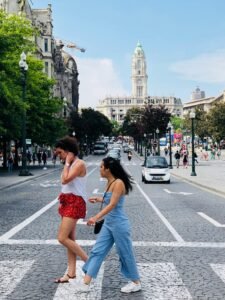
Exploring Portugal’s hidden gems doesn’t have to break the bank. Public transportation is your best friend here. Trains and buses are not only affordable but also connect even the most remote areas. Consider getting a multi-day transport pass for unlimited travel. For added flexibility, renting a car can be cost-effective if you split the expenses with travel companions. Platforms like Blablacar offer shared rides, which are both economical and eco-friendly.
Safety and Connectivity for Digital Nomads
Portugal is a haven for digital nomads, with its excellent Wi-Fi coverage and coworking spaces. Cafés in most towns offer free Wi-Fi, and you’ll find coworking hubs in cities like Lisbon and Porto. Safety is rarely a concern, even for solo travelers. However, always keep an eye on your belongings in crowded areas. For uninterrupted work, invest in a local SIM card with a data plan—providers like MEO and Vodafone offer affordable packages.
Local Etiquette and Must-Try Dishes
Portuguese locals are warm and welcoming, but it’s essential to respect their customs. A simple “bom dia” (good morning) or “obrigado/obrigada” (thank you) goes a long way. When dining, tipping is not mandatory but appreciated for exceptional service. Don’t miss out on these must-try dishes:
- Bacalhau à Brás: A savory codfish dish with eggs and potatoes.
- Francesinha: A hearty sandwich from Porto, smothered in cheese and sauce.
- Pastel de Nata: The iconic Portuguese custard tart.
FAQ
Q: Is Portugal safe for solo female travelers?
A: Absolutely! Portugal is considered one of the safest countries in Europe. Just follow basic safety precautions, like avoiding poorly lit areas at night.
Q: What’s the best time to visit Portugal’s hidden gems?
A: Spring (March-May) and autumn (September-October) offer mild weather and fewer crowds, making it ideal for exploring off-the-beaten-path destinations.
Q: Can I get by with English in rural areas?
A: In larger towns, English is widely spoken. In remote areas, learning a few basic Portuguese phrases will be helpful and appreciated by locals.

About Grace Castle
Grace Castle, 29, is a passionate traveler and digital nomad who turned her love for exploring the world into a career. With years of experience traveling across different countries, she has mastered the art of smart travel planning, working remotely while discovering new destinations.
An expert in budget travel, local culture, and remote work, Grace shares valuable tips for those looking to travel more while spending less. Her mission is to help fellow travelers explore the world with ease, safety, and authentic experiences.
When she’s not writing about her adventures, Grace can be found discovering cozy cafés, learning new languages, or planning her next trip.