 Why Visit Tribal Villages in Northern Thailand?
 Why Visit Tribal Villages in Northern Thailand?
Unique Cultural Experiences and Traditions
Northern Thailand is home to diverse ethnic communities like the Karen, Hmong, Lahu, and Akha tribes, each with its own vibrant customs, languages, and way of life. Visiting these villages offers a rare window into traditions that have remained largely untouched by modern tourism. You might witness:
- Handwoven textiles made using age-old techniques.
- Traditional dances and music performed during festivals.
- The art of crafting intricate silver jewelry or bamboo tools.
For budget travelers and cultural tourists, these encounters provide deep, meaningful experiences without the high costs of commercialized attractions. Plus, supporting local artisans directly benefits the community.
Stunning Natural Landscapes and Hiking
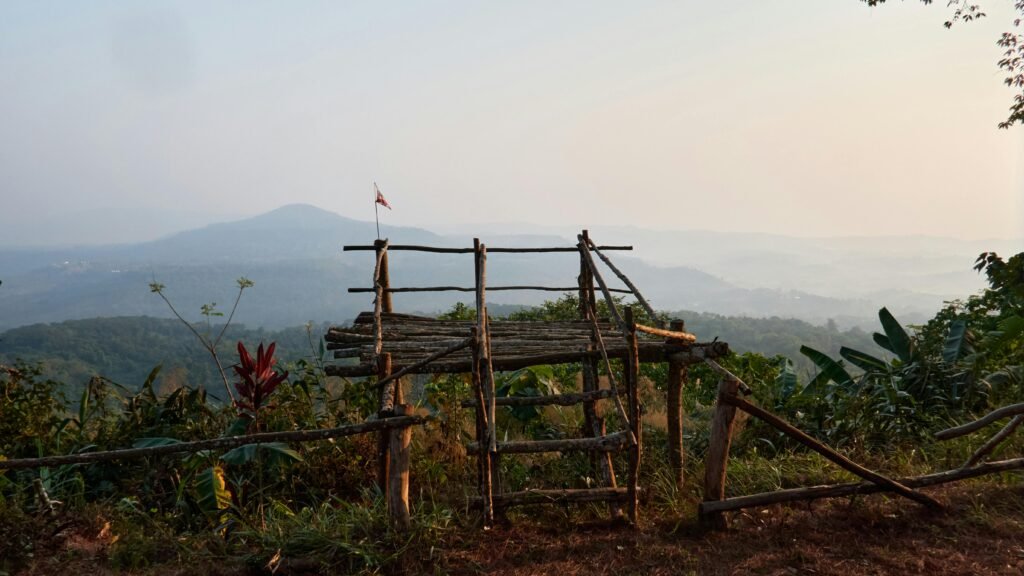
Tribal villages are often nestled in remote mountains, surrounded by misty valleys, terraced rice fields, and lush forests. This makes them ideal for adventurers and ecotourists. Here’s what you can explore:
- Guided treks to hidden waterfalls and panoramic viewpoints.
- Homestays where you wake up to breathtaking sunrise vistas.
- Trails less traveled, perfect for backpackers craving solitude.
Digital nomads will appreciate the chance to unplug and recharge in nature between work sessions, while young couples and families can bond over gentle hikes suitable for all ages.
Learning About Diverse Ethnic Groups and Their History
Each tribe has a rich history, from migration stories to spiritual beliefs. Here’s why solo travelers and first-time explorers find this fascinating:
- The Akha are known for their elaborate headdresses and animist rituals.
- The Karen (including the long-necked women) preserve centuries-old practices.
- The Hmong celebrate with vibrant New Year festivals and intricate embroidery.
Engaging with elders or local guides—often available for small fees—adds depth to your journey. It’s a chance to hear firsthand accounts of resilience and cultural pride, far beyond what guidebooks offer.
How to Choose the Right Village to Visit
Popular Villages: Mae Kampong and Ban Rak Thai
If you’re new to exploring tribal villages in Northern Thailand, starting with well-known spots like Mae Kampong and Ban Rak Thai can be a great idea. Mae Kampong, nestled in the mountains, offers a serene escape with its lush greenery and cool climate. It’s perfect for those who want a mix of nature and cultural immersion. Ban Rak Thai, on the other hand, is famous for its tea plantations and Yunnanese influence, making it a unique destination for foodies and history lovers. These villages are well-equipped for tourists, with homestays, guided tours, and basic amenities, making them ideal for first-time travelers or families.
Lesser-Known Hidden Gems for Authentic Experiences
For those seeking a more authentic and off-the-beaten-path experience, consider exploring lesser-known villages. Places like Ban Huay Hom or Ban Jabo offer a deeper connection with local traditions and fewer crowds. These hidden gems are perfect for adventurers and ecotourists who want to immerse themselves in nature and culture without the touristy vibe. However, keep in mind that facilities might be more basic, so come prepared with essentials and a flexible mindset.
Researching Village Accessibility and Facilities
Before choosing a village, it’s crucial to research its accessibility and available facilities. Some villages are easily reachable by public transport, while others might require a private vehicle or a guided tour. For budget travelers and digital nomads, checking for internet availability and nearby amenities is essential. Here’s a quick checklist to help you decide:
- Transportation options: Is there public transport, or will you need to rent a vehicle?
- Accommodation: Are there homestays, guesthouses, or hotels?
- Internet and connectivity: Important for remote workers.
- Local facilities: Restaurants, markets, and medical services.
Taking the time to research ensures a smoother and more enjoyable trip, especially for solo travelers or families with children.
Preparing for Your Visit: Practical Tips
Best Time to Visit for Weather and Festivals
Northern Thailand is a year-round destination, but November to February is the most popular time to visit. The weather is cooler and dry, making it ideal for exploring tribal villages and outdoor activities. If you’re looking to experience local culture, plan your trip around festivals like Loy Krathong (November) or the Chiang Mai Flower Festival (February). Avoid the rainy season (June to October) if you’re not a fan of heavy downpours, though the landscapes are lush and vibrant during this time.
What to Pack: Comfortable Clothing and Essentials
When visiting tribal villages, comfort is key. Here’s a quick packing checklist:
- Breathable clothing: Lightweight, loose-fitting clothes are perfect for the tropical climate.
- Sturdy footwear: Many villages are located in hilly or uneven terrain, so pack comfortable walking shoes.
- Rain gear: A compact rain jacket or umbrella is handy, especially if you’re traveling during the rainy season.
- Reusable water bottle: Stay hydrated while minimizing plastic waste.
- Respectful attire: Modest clothing is appreciated, especially when visiting temples or cultural sites.
Budget-Friendly Transportation Options
Northern Thailand offers several affordable ways to get around. Here are some budget-friendly options:
- Songthaews: These shared red trucks operate like buses and are a cheap way to travel between towns and villages.
- Motorbike rentals: Renting a scooter is a popular and economical choice for independent travelers. Just ensure you have a valid license and wear a helmet.
- Local buses: Public buses are inexpensive and connect major towns like Chiang Mai, Chiang Rai, and Mae Hong Son.
- Bicycle rentals: For short distances or eco-conscious travelers, biking is a great way to explore at your own pace.
Respecting Local Cultures and Traditions
Understanding and Following Village Etiquette
When visiting tribal villages in Northern Thailand, it’s essential to approach with respect and humility. These communities have unique customs and traditions that may differ significantly from your own. Start by learning a few basic phrases in the local language—it’s a simple gesture that can go a long way. Always ask for permission before entering homes or sacred spaces, and remember to remove your shoes when required. Dressing modestly is another way to show respect; avoid wearing revealing clothing, especially in religious or traditional settings.
Additionally, be mindful of your body language. Pointing with your finger or touching someone’s head, for example, can be considered disrespectful. Instead, use gentle gestures or an open hand to indicate direction. Taking the time to understand and follow these small yet meaningful practices will help you build a genuine connection with the community.
Supporting Local Crafts and Businesses
One of the best ways to show appreciation for the local culture is by supporting their crafts and businesses. Many tribal villages in Northern Thailand are known for their handwoven textiles, intricate silver jewelry, and handmade pottery. Purchasing these items directly from artisans ensures your money goes back into the community and helps sustain their traditional practices. Plus, you’ll get to take home a unique, authentic souvenir that tells a story.
If you’re on a budget, even small purchases can make a big difference. Consider buying snacks from local vendors or enjoying a meal at a family-run restaurant. Not only will you save money, but you’ll also get a taste of authentic regional cuisine. Remember, every little bit contributes to the local economy and helps preserve their way of life.
Avoiding Intrusive Behavior and Photography
While it’s tempting to capture every moment with your camera, it’s crucial to be mindful of your photography in tribal villages. Always ask for permission before taking photos of people, especially children or elders. Some communities may have specific areas or ceremonies where photography is prohibited—respect these boundaries without question. If someone declines your request, smile, thank them, and move on.
Beyond photography, avoid intrusive behavior in general. Refrain from asking overly personal questions or making assumptions about their lifestyle. Instead, engage in polite conversation and express genuine curiosity. Listening and learning from the community will enrich your experience far more than any photo ever could.
Sustainable and Ethical Travel Practices
Minimizing Environmental Impact
Traveling sustainably starts with small, conscious choices. Pack light to reduce fuel consumption on flights and opt for public transportation, cycling, or walking whenever possible. Avoid single-use plastics by carrying a reusable water bottle, utensils, and shopping bags. Respect natural habitats by staying on marked trails and avoiding activities that harm wildlife or ecosystems. Every little effort adds up to make a big difference.
Choosing Eco-Friendly Accommodations and Tours
Look for accommodations and tour operators that prioritize sustainability. Eco-lodges, hostels with green certifications, and hotels that use renewable energy are great options. Check if they have waste reduction programs, water-saving initiatives, or support local conservation projects. When booking tours, choose those that emphasize low-impact activities and educate visitors about the environment. Researching beforehand ensures your stay aligns with your values.
Contributing Positively to the Local Economy
Supporting local communities is a cornerstone of ethical travel. Shop at local markets, dine at family-owned restaurants, and hire local guides to ensure your money stays within the community. Avoid large international chains that may not reinvest in the area. Consider volunteering or donating to local initiatives, but always ensure your contributions are meaningful and respectful. By doing so, you’re not just a visitor—you’re a partner in preserving the culture and economy of the places you visit.
Activities and Experiences in Tribal Villages
Participating in Traditional Ceremonies and Workshops
One of the most enriching ways to connect with the tribal communities of Northern Thailand is by participating in their traditional ceremonies. These events, often tied to agricultural cycles or spiritual beliefs, offer a rare glimpse into their way of life. Whether it’s a Baci ceremony to welcome guests or a harvest festival, these experiences are deeply meaningful. Many villages also host workshops where you can learn traditional crafts like weaving, bamboo carving, or natural dyeing. These activities not only support local artisans but also give you a hands-on understanding of their cultural heritage.
Exploring Local Cuisine and Cooking Classes
Food is a universal language, and in tribal villages, it’s a window into their culture. Exploring local cuisine is a must—think dishes like khao soi (curry noodle soup) or sticky rice with grilled meats. Many villages offer cooking classes where you can learn to prepare these traditional meals using fresh, locally sourced ingredients. It’s a budget-friendly way to enjoy authentic flavors while gaining a new skill to take home. Plus, sharing a meal with locals often leads to heartwarming conversations and lasting memories.
Hiking, Trekking, and Nature Tours

For adventurers and ecotourists, the tribal villages of Northern Thailand are a paradise. The region is crisscrossed with hiking and trekking trails that lead through lush forests, terraced rice fields, and cascading waterfalls. Guided nature tours are a great way to explore these landscapes while learning about the local flora and fauna. Whether you’re a seasoned hiker or a casual walker, there’s a trail for every level. Don’t forget to pack sturdy shoes and a reusable water bottle—sustainability is key when exploring these pristine environments.
Safety and Etiquette for Solo Travelers and Families
Tips for Solo Travelers: Staying Safe and Connected
Traveling solo can be incredibly rewarding, but it’s essential to prioritize safety and stay connected. Always share your itinerary with someone you trust, and check in regularly. Use apps like Google Maps or WhatsApp to navigate and communicate easily. Stick to well-lit, populated areas, especially at night, and trust your instincts if something feels off. For added security, consider carrying a portable charger and a local SIM card to ensure you’re always reachable.
Family-Friendly Activities and Accommodations
Traveling with kids? Northern Thailand offers plenty of family-friendly options. Look for accommodations with amenities like pools, play areas, and family rooms. Many tribal villages welcome families and offer activities like traditional craft workshops or gentle hikes. Always research activities in advance to ensure they’re suitable for all ages. Don’t forget to pack snacks, water, and a first-aid kit to keep everyone comfortable and happy.
Navigating Language Barriers and Cultural Differences
Language barriers can be challenging, but a little effort goes a long way. Learn a few basic phrases in Thai or the local tribal language—locals will appreciate your effort. Use translation apps like Google Translate for more complex conversations. When it comes to cultural differences, respect local customs and traditions. Dress modestly, ask for permission before taking photos, and avoid touching sacred objects. A respectful attitude will open doors to deeper connections and richer experiences.
FAQ
- Is Northern Thailand safe for solo female travelers?
- Yes, Northern Thailand is generally safe for solo female travelers. Stick to well-known areas, avoid traveling alone at night, and trust your instincts.
- Are there kid-friendly activities in tribal villages?
- Absolutely! Many villages offer family-friendly activities like craft workshops, cultural performances, and nature walks.
- How can I communicate if I don’t speak the local language?
- Learning a few basic phrases helps, but translation apps like Google Translate are invaluable for bridging the language gap.

About Grace Castle
Grace Castle, 29, is a passionate traveler and digital nomad who turned her love for exploring the world into a career. With years of experience traveling across different countries, she has mastered the art of smart travel planning, working remotely while discovering new destinations.
An expert in budget travel, local culture, and remote work, Grace shares valuable tips for those looking to travel more while spending less. Her mission is to help fellow travelers explore the world with ease, safety, and authentic experiences.
When she’s not writing about her adventures, Grace can be found discovering cozy cafés, learning new languages, or planning her next trip.