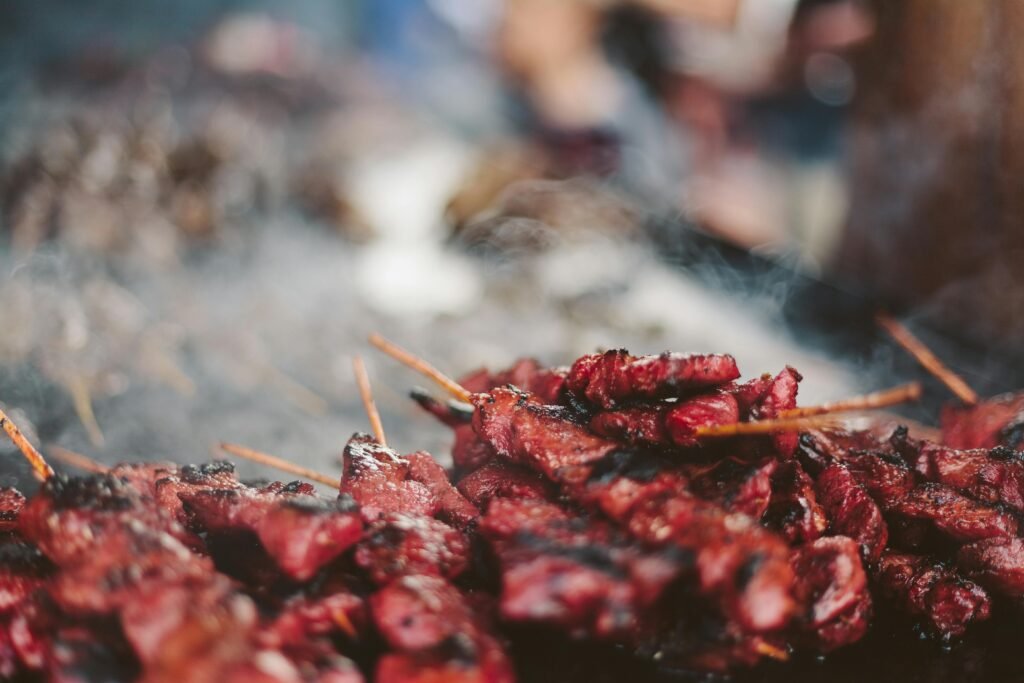
 Introduction to Rotorua and Maori Culture
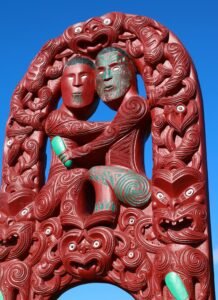 Introduction to Rotorua and Maori Culture
Why Rotorua is the Heart of Maori Culture
Nestled in the geothermal wonderland of New Zealand’s North Island, Rotorua is more than just a travel destination—it’s the beating heart of Maori culture. This vibrant city offers an unparalleled opportunity to immerse yourself in the traditions, history, and spirit of the Maori people. From steaming geysers to sacred marae (meeting grounds), Rotorua is where the past and present of Aotearoa (New Zealand) converge.
What makes Rotorua so special? It’s home to the Te Arawa tribe, one of the most prominent Maori iwi (tribes) in the country. Their rich cultural heritage is woven into every aspect of the city, from the mesmerizing haka performances to the warm hospitality of the locals. Whether you’re exploring the geothermal parks or enjoying a traditional hangi feast, Rotorua invites you to experience Maori culture firsthand.
A Brief History of the Maori People
The Maori people, the indigenous Polynesian settlers of New Zealand, arrived on these shores over a thousand years ago, navigating the vast Pacific Ocean in waka (canoes). Their journey, filled with courage and resilience, laid the foundation for a vibrant culture that continues to thrive today. The Maori have a deep connection to the land, or whenua, which is reflected in their customs, art, and spirituality.
Rotorua’s geothermal activity played a significant role in Maori life, providing warmth, food, and healing. Legends speak of the fiery goddess Pele and her connection to the region’s hot springs. Today, these natural wonders are a testament to the Maori’s harmonious relationship with the environment.
Visiting Rotorua isn’t just about sightseeing; it’s about stepping into a living culture. Whether you’re a budget traveler, a digital nomad, or a family seeking an enriching experience, Rotorua offers something for everyone. Its unique blend of history, nature, and Maori hospitality makes it a must-visit destination for anyone exploring New Zealand.
Affordable Ways to Experience Maori Culture
Budget-Friendly Cultural Performances
Experiencing the rich heritage of the Maori people doesn’t have to break the bank. Rotorua is renowned for its cultural performances, and there are plenty of affordable options to immerse yourself in Maori traditions without overspending. Look for smaller, community-based performances or local events that often charge lower fees compared to larger tourist venues. These intimate settings can offer a more authentic experience, allowing you to connect deeply with the stories, songs, and dances of the Maori people.
Don’t forget to check out discounts or bundled deals that include transportation and meals. Many tour companies and local operators offer early bird specials or group rates, making it easier to enjoy a cultural evening on a budget.
Free or Low-Cost Maori Heritage Sites
Rotorua is dotted with heritage sites that showcase Maori history and culture, and many of them are either free or have minimal entry fees. Start with a visit to Whakarewarewa Village, where you can explore geothermal wonders and learn about the traditional Maori way of life. While guided tours are available, you can also wander the area independently to save money.
Another must-visit is the Rotorua Museum, which often hosts exhibitions on Maori art and history. Entry is usually low-cost, and it’s a great way to spend an educational afternoon. For those who love the outdoors, the Redwood Forest offers walking trails that pass by ancient Maori carvings and sacred sites, all without a fee.
Here’s a quick list of affordable or free Maori heritage sites:
- Whakarewarewa Village
- Rotorua Museum
- Redwood Forest trails
- Ohinemutu Village
By prioritizing these options, you can enjoy a meaningful cultural experience while staying within your budget.
Exploring Rotorua’s Natural Wonders
Geothermal Parks and Their Cultural Significance
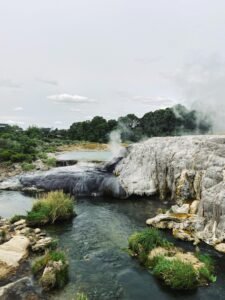
Rotorua is renowned for its geothermal activity, which has shaped both its landscapes and its culture. One of the must-visit spots is Te Puia, home to the famous Pohutu geyser and the New Zealand Māori Arts and Crafts Institute. Here, you can witness steaming hot pools, bubbling mud, and learn about the Māori traditions tied to these natural phenomena. Another gem is Wai-O-Tapu Thermal Wonderland, where vibrant geothermal features like the Champagne Pool and the Artist’s Palette will leave you in awe. These parks are not just visually stunning but also deeply connected to the Māori culture, offering guided tours that delve into their spiritual and historical significance. Pro tip: Book tickets online for discounts, especially if you’re on a budget!
Hiking Trails with Cultural Insights
For adventurers and ecotourists, Rotorua offers a variety of hiking trails that combine breathtaking scenery with cultural learning. The Redwoods Whakarewarewa Forest is a favorite, with trails ranging from easy walks to challenging hikes. The forest is a perfect blend of natural beauty and Māori heritage, with interpretive signs along the way sharing stories of the land. Another great option is the Tarawera Trail, which leads to the stunning Lake Tarawera. This trail is steeped in history, as it passes through sites of significance to the Ngāti Rangitihi people. Remember to pack light, wear sturdy shoes, and carry water—these trails are as rewarding as they are invigorating!
- Te Puia: Geysers, mud pools, and Māori cultural experiences.
- Wai-O-Tapu Thermal Wonderland: Colorful geothermal wonders and guided tours.
- Redwoods Whakarewarewa Forest: Diverse hiking trails with cultural insights.
- Tarawera Trail: Scenic and historical hike to Lake Tarawera.
Tips for Budget Travelers
Saving on Accommodation and Food
Traveling on a budget doesn’t mean sacrificing comfort or experience. Start by booking your accommodation in advance to secure the best deals. Platforms like Airbnb, Hostelworld, and Booking.com often have early bird discounts. Consider staying in hostels, guesthouses, or budget hotels, which are not only affordable but also great for meeting fellow travelers. For longer stays, look into house-sitting or short-term rentals to save significantly.
When it comes to food, eat like a local. Street food and local markets are not only cheaper but also offer an authentic taste of the destination. Opt for accommodations with kitchen facilities to prepare your own meals—this can drastically cut down on expenses. Additionally, apps like Too Good To Go or local discount platforms can help you find affordable dining options.
Best Times to Visit for Deals
Timing is everything when it comes to budget travel. Travel during the shoulder season—the period between peak and off-peak seasons—when prices for flights and accommodations drop, and crowds are thinner. For Rotorua, visiting in spring (September to November) or autumn (March to May) can offer pleasant weather and better deals.
Keep an eye on flight deals and set up price alerts on platforms like Skyscanner or Google Flights. Flying mid-week or taking red-eye flights can also save you money. If your schedule is flexible, last-minute deals can be a goldmine, especially for accommodations and tours.
Practical Money-Saving Tips
- Use public transportation instead of taxis or rental cars. It’s cheaper and often more convenient.
- Invest in a city pass or discount cards that offer free or reduced entry to attractions.
- Carry a reusable water bottle and snacks to avoid unnecessary expenses.
- Join free walking tours or explore nature trails, which are often free and provide a rich experience.
Safety and Accessibility
Tips for Solo Travelers and Families
Traveling to Rotorua, whether you’re exploring solo or with your family, is an enriching experience that’s both safe and accessible. Here’s what you need to know to make the most of your adventure:
- For Solo Travelers: Rotorua is known for its welcoming atmosphere and friendly locals. Stick to well-lit, populated areas at night, and always let someone know your itinerary. Consider joining guided tours for activities like geothermal walks or cultural experiences—great ways to meet like-minded travelers.
- For Families: Rotorua is incredibly family-friendly, with plenty of activities for all ages. Parks, interactive museums, and thermal hot pools are perfect for keeping kids entertained. Always carry a basic first-aid kit and stay hydrated, especially during outdoor adventures.
Navigating Rotorua with Ease
Getting around Rotorua is straightforward, whether you’re on a budget or traveling with kids. Here’s how to make your journey seamless:
- Public Transport: Buses are an affordable option for getting around the city. Check schedules in advance, especially if you’re traveling with young children, as services may be less frequent in the evenings.
- Walking and Cycling: Rotorua’s compact city center is easy to explore on foot or by bike. There are plenty of bike rental options, and dedicated cycling trails offer a safe and scenic way to see the sights.
- Driving: If you’re renting a car, Rotorua’s roads are well-maintained and easy to navigate. Parking is generally available and affordable, making it a convenient option for families with lots of gear.
Staying Safe in Rotorua
Rotorua is a safe destination, but it’s always wise to take precautions:
- Geothermal Areas: Stick to marked paths and follow safety signs when visiting geothermal sites. The ground can be unstable, and hot springs are extremely scalding—keep a close eye on children at all times.
- Weather Preparedness: Rotorua’s weather can be unpredictable. Pack layers, waterproof gear, and sunscreen to stay comfortable during your outdoor activities.
- Emergency Contacts: Save local emergency numbers in your phone. New Zealand’s emergency services are reliable and responsive, ensuring help is never far away.
Accessibility for All Travelers
Rotorua is committed to being an inclusive destination:
- Wheelchair Accessibility: Many attractions, including the Redwoods Treewalk and Te Puia, offer wheelchair-friendly paths and facilities. Check with individual sites in advance to confirm accessibility options.
- Family-Friendly Facilities: Public restrooms, changing stations, and baby-friendly dining options are widely available, making it easier for families to explore without stress.
Cultural Etiquette and Respect
Engaging with Maori culture in Rotorua is a deeply enriching experience, but it’s essential to approach it with respect and awareness. Understanding and honoring cultural norms not only shows appreciation but also helps you connect more authentically with the local community. Here’s how to navigate Maori cultural etiquette like a pro.
Understanding the Importance of the Powhiri
One of the first cultural practices you might encounter is the powhiri, a traditional Maori welcome ceremony. This ritual is sacred and involves speeches, songs, and the pressing of noses (known as the hongi). Always take this ceremony seriously—avoid talking, laughing, or being distracted. Follow the lead of your hosts, and if invited to participate, do so with sincerity.
The Significance of the Hongi
The hongi is more than just a greeting; it’s a gesture of unity and respect. During this exchange, you’ll press your nose and forehead against another person’s. This act symbolizes the sharing of breath and life force, so approach it with reverence. If you’re unsure about participating, it’s okay to politely decline, but most Maori hosts appreciate visitors who embrace this tradition.
Respecting Sacred Spaces
Maori culture places great importance on sacred sites, or wahi tapu. These can range from meeting houses (marae) to natural landmarks. Always ask for permission before entering these spaces, and refrain from touching artifacts or taking photographs unless explicitly allowed. Dress modestly and remove your shoes if requested.
Dining Etiquette
If you’re invited to a hangi feast—a traditional Maori meal cooked in an earth oven—there are a few practices to keep in mind. Wait to be seated and follow the lead of your hosts when it comes to starting the meal. It’s also customary to bring a small gift, such as food or a token of appreciation, to show gratitude.
Language and Communication
Learning a few basic Maori phrases can go a long way in showing respect. Simple greetings like Kia ora (hello) and Tēnā koe (thank you) are always appreciated. Be mindful of your tone and body language—Maori culture values humility and politeness, so avoid being overly assertive or loud in conversations.
Environmental Respect
Maori culture is deeply intertwined with the natural world. When exploring Rotorua’s stunning landscapes, tread lightly and leave no trace. This means avoiding littering, respecting wildlife, and adhering to local conservation guidelines. Demonstrating care for the environment is a powerful way to honor Maori values.
Photography Etiquette
While it’s tempting to capture every moment, always ask for permission before photographing people, ceremonies, or sacred sites. Some Maori rituals and locations are considered private, and taking photos without consent can be deeply disrespectful. When in doubt, ask your guide or host.
By approaching Maori culture with curiosity, respect, and an open heart, you’ll not only enrich your travel experience but also foster meaningful connections with the people of Rotorua. Embrace these practices, and you’ll leave with memories that go far beyond the surface.
Planning Your Trip
Step-by-Step Guide for First-Time Visitors
Planning your first trip to Rotorua to experience Maori culture can feel overwhelming, but with a clear step-by-step guide, it becomes a breeze. Start by setting a budget that includes flights, accommodation, and activities—this will help you make informed decisions. Research and book your flights early to take advantage of discounts, especially if you’re a budget traveler. Accommodation options in Rotorua range from affordable hostels to mid-range hotels, so choose what suits your needs and budget best.
Next, plan your itinerary. Prioritize must-see Maori cultural experiences like the Tamaki Maori Village, Te Puia, or a traditional hangi feast. Allocate at least a day or two for these immersive activities. Don’t forget to check the weather and pack accordingly—Rotorua’s geothermal landscape means warm layers and sturdy shoes are a must. Lastly, book tickets and tours in advance to avoid last-minute disappointments, especially during peak seasons.
Combining Maori Culture with Other Activities
Rotorua is a treasure trove of experiences, and combining Maori culture with other activities ensures a well-rounded trip. Start your day with a visit to a geothermal park like Wai-O-Tapu or Hell’s Gate, where you can witness bubbling mud pools and geysers. Then, immerse yourself in Maori cultural performances or workshops in the afternoon.
For adventurers, Rotorua offers world-class mountain biking trails, ziplining, and hiking in the Redwoods Forest. If you’re traveling with family, consider a relaxing afternoon at the Polynesian Spa or a scenic hike around Lake Rotorua. Foodies should not miss the chance to try Maori hangi cuisine, a delicious meal cooked in an earth oven, or explore local cafes and farmers’ markets for budget-friendly eats.
By blending cultural experiences with Rotorua’s natural beauty and adventure activities, you’ll create memories that last a lifetime.
FAQs
- What is the best time to visit Rotorua? The best time is during the spring (September to November) or autumn (March to May) when the weather is mild and fewer crowds exist.
- How can I save money on accommodations? Look for budget-friendly options like hostels, motels, or Airbnb. Booking in advance can also secure better rates.
- Are Maori cultural experiences suitable for families with kids? Absolutely! Many Maori cultural sites and performances are family-friendly and offer interactive experiences for children.
- What should I pack for Rotorua? Pack comfortable walking shoes, layers for varying temperatures, and a rain jacket for occasional showers.

About Grace Castle
Grace Castle, 29, is a passionate traveler and digital nomad who turned her love for exploring the world into a career. With years of experience traveling across different countries, she has mastered the art of smart travel planning, working remotely while discovering new destinations.
An expert in budget travel, local culture, and remote work, Grace shares valuable tips for those looking to travel more while spending less. Her mission is to help fellow travelers explore the world with ease, safety, and authentic experiences.
When she’s not writing about her adventures, Grace can be found discovering cozy cafés, learning new languages, or planning her next trip.