 Planning Your Budget Trip
 Planning Your Budget Trip
Set a Realistic Daily Budget and Stick to It
One of the most crucial steps in planning a budget trip is determining how much you can afford to spend each day. Start by calculating your total trip budget, then divide it by the number of days you’ll be traveling. Be realistic—factor in costs for accommodation, food, transportation, activities, and a little extra for unexpected expenses. Once you’ve set your daily limit, commit to it. This discipline will help you avoid overspending and ensure you have enough funds for the entire trip.
Use Budgeting Apps to Track Expenses
Keeping track of your spending can be challenging, especially when you’re on the go. That’s where budgeting apps come in handy. Apps like Trail Wallet, Splitwise, or even a simple spreadsheet can help you monitor your expenses in real time. By logging every purchase, you’ll have a clear picture of where your money is going and can adjust your spending habits if needed. Pro tip: Set up daily or weekly alerts to stay on top of your budget.
Research and Compare Costs for Destinations
Not all destinations are created equal when it comes to cost. Before finalizing your travel plans, take the time to research and compare the cost of living in different locations. Look into:
- Accommodation options (hostels, guesthouses, or budget hotels)
- Local transportation costs (public transit vs. taxis)
- Average meal prices (street food vs. restaurants)
- Entrance fees for attractions and activities
By choosing a destination that aligns with your budget, you’ll stretch your money further and enjoy a more stress-free trip. Remember: Sometimes, less popular destinations can offer equally amazing experiences at a fraction of the cost.
Saving on Flights and Transportation
Transportation often eats up a big chunk of your travel budget, but with a few smart strategies, you can cut costs without sacrificing comfort. Whether you’re hopping on a flight, catching a train, or navigating a new city, these tips will help you save money and make the most of your journey.
Book Flights in Advance and Use Fare Comparison Tools
One of the easiest ways to save on flights is to book early. Airfare tends to rise as the departure date approaches, so securing your ticket months in advance can lead to significant savings. Additionally, use fare comparison tools like Google Flights, Skyscanner, or Kayak to compare prices across multiple airlines. These tools often highlight the cheapest days to fly, helping you plan your trip around the best deals.
Consider Alternative Airports and Budget Airlines
Major airports aren’t always the cheapest option. Sometimes, flying into a smaller, nearby airport can save you a bundle. For example, instead of landing at a busy hub, check if a regional airport in the same area offers lower fares. Additionally, don’t shy away from budget airlines. While they may charge extra for checked luggage or seat selection, their base fares are often unbeatable. Just make sure to read the fine print to avoid any surprises.
Use Public Transport or Rideshares Instead of Taxis
Once you’ve arrived at your destination, skip the taxis and opt for cheaper alternatives. Most cities have reliable and affordable public transportation systems, such as buses, trams, and subways. If you’re traveling with a group or carrying heavy luggage, rideshare apps like Uber or Lyft can be more cost-effective than traditional taxis. Plus, they often provide upfront pricing, so you know exactly what you’re paying before you hop in.
Affordable Accommodation Options
Stay in Hostels, Guesthouses, or Budget Hotels
When it comes to budget travel, hostels are a backpacker’s best friend. They’re not only affordable but also a great way to meet fellow travelers. Many hostels offer dormitory-style rooms, but private rooms are often available for a bit more privacy. Guesthouses and budget hotels are another excellent option, especially if you’re traveling with a partner or family. These accommodations often provide a cozy, local experience without breaking the bank. Pro tip: Look for places with shared kitchens to save even more on meals!
Consider Couchsurfing or Staying with Locals
For a truly unique and cost-effective experience, try Couchsurfing or staying with locals. Platforms like Couchsurfing connect travelers with hosts who offer free accommodation, often in exchange for cultural exchange or a bit of help around the house. It’s a fantastic way to immerse yourself in the local culture and make new friends. Just be sure to read reviews and communicate clearly with your host to ensure a safe and enjoyable stay.
Use Platforms Like Airbnb for Last-Minute Deals
If you’re flexible with your plans, platforms like Airbnb can be a goldmine for last-minute deals. Hosts often lower their prices to fill empty spots, especially during off-peak seasons. You can find everything from private rooms to entire apartments, often at a fraction of the cost of traditional hotels. Plus, staying in an Airbnb can give you a more authentic feel of the destination, as you’ll be living like a local. Keep an eye out for discounts and special offers to maximize your savings.
Eating on a Budget
Cook Your Own Meals Instead of Dining Out
One of the best ways to save money while traveling is to cook your own meals. Many hostels, guesthouses, and Airbnb rentals come equipped with kitchen facilities, making it easy to whip up simple, budget-friendly dishes. Not only does this save you money, but it also allows you to experiment with local ingredients and flavors. Start your day with a hearty breakfast at your accommodation and prepare snacks or light meals for the day—your wallet will thank you!
Explore Local Markets and Street Food
When you’re out and about, skip the touristy restaurants and head to local markets and street food stalls. These are often cheaper and more authentic than dining in restaurants. You’ll get to taste the real flavors of the destination while mingling with locals. Plus, street food is usually freshly prepared and full of character. Don’t shy away from trying something new—just make sure the vendor looks busy and hygienic to ensure quality.
Carry a Reusable Water Bottle and Snacks
Stay hydrated and avoid unnecessary expenses by carrying a reusable water bottle. Many destinations have water refill stations, and some accommodations provide filtered water for guests. Snacks are another must—pack things like nuts, fruit, or granola bars to keep hunger at bay between meals. This not only saves money but also ensures you’re never caught off guard when hunger strikes.
Maximizing Experiences Without Overspending
Prioritize Free or Low-Cost Activities
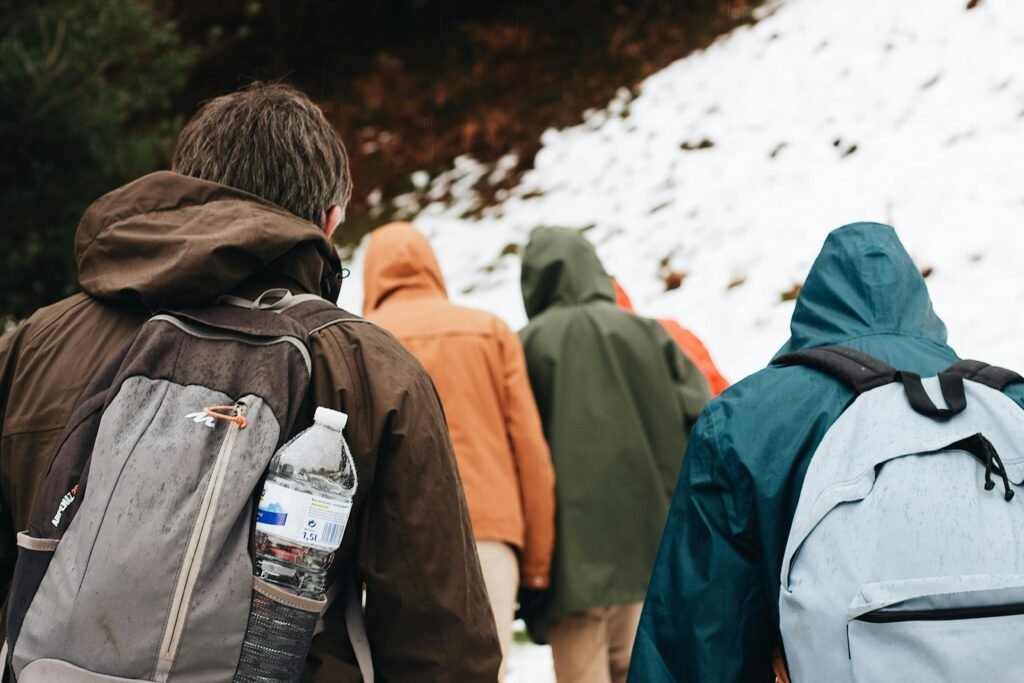
Traveling on a budget doesn’t mean sacrificing memorable experiences. Nature offers some of the most enriching adventures for free. Consider activities like hiking in national parks, exploring local botanical gardens, or strolling through historic neighborhoods. Many cities also have free museums or discounted entry days, so research ahead to make the most of your visit.
Use City Passes for Discounted Entry
If you’re planning to visit multiple attractions, city passes can be a game-changer. These passes often bundle entry fees for popular sites at a fraction of the cost. For example, a city museum pass might include access to top landmarks, saving you both money and time. Always compare the pass offerings to your itinerary to ensure it’s worth the investment.
Join Free Walking Tours or Local Events
One of the best ways to immerse yourself in a new destination is by joining a free walking tour. Led by knowledgeable locals, these tours provide insights into the city’s history and culture—all while keeping your wallet happy. Additionally, check out community calendars for free events like festivals, markets, or live performances happening during your stay.
Leverage Public Spaces and Parks
Public spaces are often the heart of a city’s culture and are completely free to explore. Pack a picnic, grab a book, or simply people-watch in a central park or plaza. These spots are perfect for relaxing and soaking in the local vibe without spending a dime.
Engage with Local Communities
Sometimes, the most authentic experiences come from connecting with locals. Look for volunteer opportunities, community workshops, or cultural exchange programs. These not only enrich your trip but also allow you to give back to the places you visit.
Packing Smart for Your Trip
Travel Light to Avoid Baggage Fees
One of the easiest ways to save money while traveling is to pack light. Many budget airlines charge hefty fees for checked luggage, and even carry-on bags can come with extra costs. Stick to a single backpack or a small suitcase to avoid these fees. Remember, the less you pack, the more freedom you have to move around without hassle. Plus, you’ll save time at the airport by skipping the baggage claim!
Bring Versatile Clothing and Essential Gear
When it comes to packing, versatility is key. Choose clothing items that can be mixed and matched to create multiple outfits. Neutral colors and lightweight fabrics are your best friends. Don’t forget to pack layers for unpredictable weather. As for gear, focus on the essentials: a sturdy pair of shoes, a reusable water bottle, a compact first-aid kit, and any tech you can’t live without. If you’re a digital nomad, prioritize items like a reliable laptop and portable charger.
Use Packing Cubes to Stay Organized
Packing cubes are a game-changer for keeping your belongings neat and accessible. These lightweight organizers help you separate clothes, toiletries, and gadgets, making it easy to find what you need without unpacking everything. They also compress your items, saving space in your bag. Here’s a quick tip: assign each cube a category (e.g., tops, bottoms, accessories) to streamline your packing process even further.
Staying Safe and Connected
Keep Important Documents and Cash Secure
When traveling, especially on a budget, keeping your essential items safe is crucial. Always carry copies of your passport, ID, and travel insurance, and store the originals in a secure place like a hotel safe or a hidden pouch. For cash, split it into multiple locations—keep some in your wallet, some in your bag, and a backup stash in your accommodation. This way, if one gets lost or stolen, you won’t be left stranded.
Share Your Itinerary with Someone Back Home
Before you set off, share your travel plans with a trusted friend or family member. Include details like your flight information, accommodation addresses, and any planned activities. Apps like Google Maps or TripIt can help you create and share a detailed itinerary. In case of an emergency, having someone who knows your whereabouts can be a lifesaver.
Use SIM Cards or Portable Wi-Fi for Affordable Internet Access
 Access
Staying connected is vital, especially for digital nomads and solo travelers. Instead of relying on expensive roaming plans, opt for local SIM cards or portable Wi-Fi devices. These are often more affordable and provide faster internet. Many countries offer tourist SIM cards with generous data packages, and portable Wi-Fi devices can be rented at airports or online. This ensures you can navigate, stay in touch, and work remotely without breaking the bank.
FAQs: Staying Safe and Connected
- What should I do if I lose my passport? Report it immediately to the local authorities and your country’s embassy or consulate. Keep a digital copy of your passport to expedite the replacement process.
- How can I find reliable SIM cards abroad? Research reputable providers before your trip or ask locals for recommendations. Airports and convenience stores often sell tourist-friendly SIM cards.
- Is portable Wi-Fi better than a SIM card? It depends on your needs. Portable Wi-Fi is great for multiple devices, while SIM cards are more cost-effective for single users.

About Grace Castle
Grace Castle, 29, is a passionate traveler and digital nomad who turned her love for exploring the world into a career. With years of experience traveling across different countries, she has mastered the art of smart travel planning, working remotely while discovering new destinations.
An expert in budget travel, local culture, and remote work, Grace shares valuable tips for those looking to travel more while spending less. Her mission is to help fellow travelers explore the world with ease, safety, and authentic experiences.
When she’s not writing about her adventures, Grace can be found discovering cozy cafés, learning new languages, or planning her next trip.