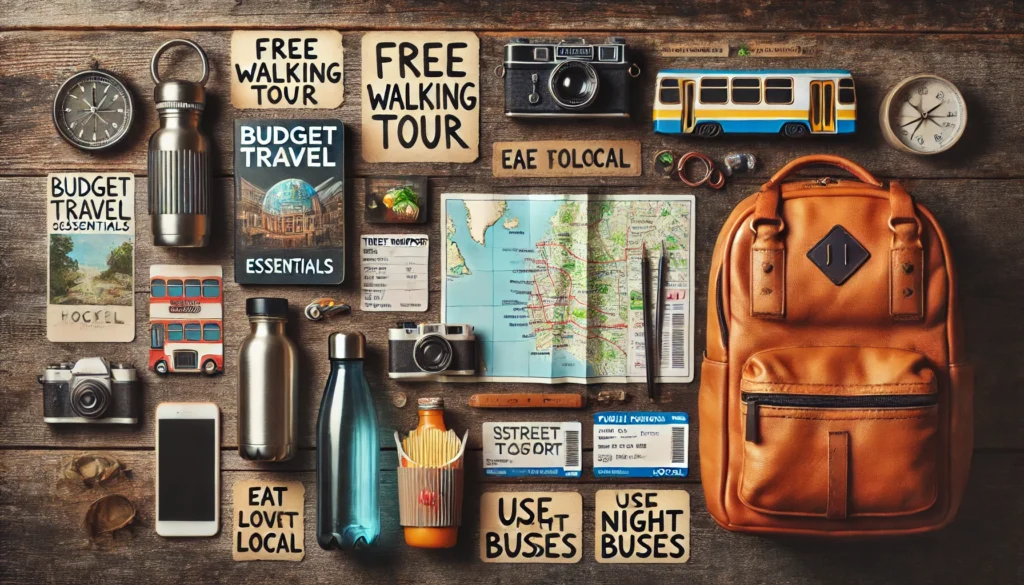
 Planning Your Budget Trip Like a Pro
 Planning Your Budget Trip Like a Pro
Timing and Booking Flights Strategically
Planning your trip at the right time can make all the difference in your budget. Avoid peak seasons when flights and accommodations are at their highest prices. Instead, consider traveling during shoulder seasons—the periods between peak and off-peak times—when prices are lower but the weather is still pleasant. Booking your flights well in advance or keeping an eye out for last-minute deals can also save you a significant amount. Mid-week flights are often cheaper than weekend departures, so flexibility with your travel dates can pay off.
Choosing Budget-Friendly Destinations
Not all destinations are created equal when it comes to affordability. Opt for countries or cities where the cost of living is lower, such as Southeast Asia, Eastern Europe, or parts of South America. These regions offer incredible experiences without breaking the bank. Research destinations with favorable exchange rates, as your money will go further. Additionally, consider off-the-beaten-path locations that are less touristy but just as rewarding. For example, instead of Paris, explore Lyon, or swap Bali for Lombok for a more budget-friendly adventure.
Using Fare Comparison Tools Effectively
Fare comparison tools like Skyscanner, Kayak, or Google Flights can be your best friends when planning a budget trip. These platforms allow you to compare prices across multiple airlines and booking sites, ensuring you get the best deal. Set up price alerts to monitor fluctuations and book when prices drop. Don’t forget to clear your browser cookies or use incognito mode to avoid dynamic pricing, which can increase costs based on your search history. Additionally, consider booking flights with layovers, as they are often cheaper than direct routes.
Smart Accommodation Hacks
Hostels vs. Alternatives: What’s Best for You?
When it comes to budget travel, hostels are often the go-to choice for backpackers and solo travelers. They’re affordable, social, and packed with amenities like communal kitchens and free Wi-Fi. But they’re not the only option! Consider alternatives like Couchsurfing, where you can stay with locals for free and gain insider tips, or homestays, which offer a more authentic cultural experience. Each option has its perks:
- Hostels: Great for meeting fellow travelers and staying in central locations.
- Couchsurfing: Perfect for those seeking local connections and unique experiences.
- Homestays: Ideal for cultural immersion and a more personal touch.
Booking Last-Minute Deals Without Regrets
Waiting until the last minute to book accommodation can save you a fortune, but it requires a bit of strategy. Use apps like HotelTonight or Hostelworld to snag discounted rooms. Here’s how to do it right:
- Be flexible with your location—sometimes staying a bit outside the city center can save you big.
- Check reviews and ratings to ensure you’re not sacrificing quality for price.
- Have a backup plan in case your first choice isn’t available.
Earning Free Nights with Loyalty Programs
Loyalty programs are a budget traveler’s best friend. Many hotel chains and booking platforms offer rewards for repeat stays. Here’s how to maximize them:
- Sign up for programs like Booking.com Genius or Hostelworld Rewards to earn points on every booking.
- Use co-branded credit cards to accumulate points faster.
- Combine points with promotions to stretch your rewards even further.
With a little planning, you can turn your stays into free nights, making your travel budget go even further.
Eating Well for Less
Cooking Simple Meals in Hostel Kitchens
One of the best ways to save money while traveling is by cooking your own meals in hostel kitchens. Most budget accommodations offer fully equipped kitchens, so take advantage of this perk! Stick to simple dishes like pasta, stir-fries, or omelets, which require minimal ingredients and effort. Shopping at local supermarkets or discount stores can make this even more economical. Pro tip: team up with fellow travelers—cooking together is a great way to save and socialize.
Street Food vs. Restaurants—Where to Save
When it comes to eating out, street food is often the most budget-friendly option. Not only is it cheaper than restaurants, but it’s also a chance to sample authentic local flavors. Look for busy stalls with long lines—this is usually a sign of quality and freshness. On the other hand, restaurants can be cost-effective if you choose lunch specials or set menus, which are typically more affordable than dinner. Do a little research to find spots popular with locals rather than tourists.
Finding Local Markets for Cheap, Fresh Eats
Exploring local markets is a win-win for budget travelers. You’ll find fresh produce, snacks, and ready-to-eat meals at a fraction of the cost of restaurants. Markets are also a great way to immerse yourself in the culture and pick up unique ingredients for your hostel-cooked meals. To make the most of your visit:
- Go early for the freshest options.
- Bargain politely—it’s often expected in many cultures.
- Choose seasonal fruits and veggies for the best deals.
Transportation Tricks to Slash Costs
Public Transit vs. Rideshares—What’s Cheaper?
When it comes to getting around on a budget, public transportation is usually your best friend. Buses, subways, and trams are often significantly cheaper than rideshares like Uber or Lyft, especially in cities with well-developed transit systems. For example, a single subway ride in many major cities costs just a couple of dollars, while rideshares can easily run into double digits. Plus, public transit lets you experience the city like a local, which adds to the adventure.
However, there are times when rideshares might make sense. If you’re traveling in a group, splitting the cost can make it comparable to public transit. Late at night or in areas with limited transit options, rideshares can also be a safer and more convenient choice.
Hitchhiking (Safely!) When Backpacking
Hitchhiking can be a thrilling and budget-friendly way to travel, but safety should always be your top priority. If you’re considering hitchhiking, do your research first. Some countries, like New Zealand and parts of Europe, are known for being hitchhiker-friendly, while others may not be as safe. Always trust your instincts and avoid hitchhiking alone if possible.
Here are a few tips for safe hitchhiking:
- Choose busy roads where drivers are likely to stop and there are plenty of witnesses.
- Make eye contact with drivers before getting in—it helps you gauge their intentions.
- Keep your phone charged and share your location with someone you trust.
Walking and Bike-Sharing for Short Distances
For short distances, skip the transportation altogether and opt for walking or bike-sharing. Walking is free, healthy, and lets you discover hidden gems you might miss otherwise. Many cities also have bike-sharing programs, like Citi Bike in New York or Vélib’ in Paris, which are affordable and eco-friendly.
Bike-sharing apps often offer day passes or hourly rates, making them a great option for exploring a city at your own pace. If you’re traveling light, consider bringing a foldable bike or renting one for longer stays. Not only will you save money, but you’ll also reduce your carbon footprint—win-win!
Free and Cheap Activities for Every Destination
Free Walking Tours and Museum Discount Days
One of the best ways to explore a new city without breaking the bank is by joining free walking tours. These tours, often led by local guides, provide a rich introduction to the history, culture, and hidden gems of a destination. While tips are appreciated, the tours themselves are completely free. Additionally, many museums and cultural institutions offer discount or free admission days, especially on certain weekdays or evenings. Always check their websites or local event calendars to plan your visit accordingly.
Nature Hikes and Public Beaches—No Entry Fee
If you’re drawn to the great outdoors, take advantage of free nature hikes and public beaches. Many cities and towns have well-maintained trails and parks that are open to the public at no cost. Whether it’s a scenic mountain path or a serene lakeside stroll, these activities are perfect for adventurers and families alike. Similarly, public beaches often provide a budget-friendly way to relax and enjoy the sun without spending a dime.
Community Events and Cultural Exchanges
Immerse yourself in the local culture by attending community events such as festivals, markets, or live performances. These gatherings are often free or low-cost and offer a unique glimpse into the traditions and creativity of the area. Additionally, consider participating in cultural exchange programs or language meetups. These experiences not only enrich your travel but also connect you with locals and fellow travelers in meaningful ways.
- Check local tourism boards for event schedules.
- Use apps like Meetup or Couchsurfing to find cultural exchanges.
- Visit public parks and plazas, which often host spontaneous gatherings.
Packing Light and Right to Avoid Extra Fees
Must-Have Travel Essentials: Multi-Use Items
When it comes to packing light, multi-use items are your best friends. Instead of carrying a separate towel, scarf, and blanket, opt for a sarong that can do it all. Similarly, a quality travel jacket with multiple pockets can double as a pillow or blanket during long flights. Here’s a quick list of essentials to consider:
- Convertible clothing: Zip-off pants, reversible tops, and multi-layering pieces.
- All-purpose soap: Works as shampoo, body wash, and laundry detergent.
- Versatile footwear: Lightweight sneakers that are both stylish and functional.
Avoiding Checked Baggage: Carry-On Only Strategy 
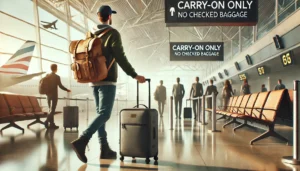
One of the easiest ways to save on travel expenses is by avoiding checked baggage fees. Most airlines allow a carry-on and a personal item, which is often more than enough space if you pack strategically. Here’s how:
- Roll, don’t fold: Rolling clothes saves space and minimizes wrinkles.
- Use packing cubes: These help organize and compress your belongings efficiently.
- Prioritize essentials: Stick to items you’ll actually use and leave the “just in case” items at home.
Remember, the goal is to travel light so you can move freely and avoid unnecessary costs.
Laundry Hacks to Pack Less
Carrying fewer clothes doesn’t mean sacrificing cleanliness. With a few simple laundry hacks, you can pack lighter and stay fresh throughout your trip. Here are some tips:
- Hand-washing essentials: Pack a small sink stopper and a travel-sized detergent for quick washes.
- Dry quickly: Choose quick-drying fabrics like merino wool or synthetic blends.
- Use hotel amenities: Many accommodations offer laundry services or washing machines for guest use.
By planning ahead and incorporating these hacks, you’ll reduce your luggage weight and avoid overpacking.
Staying Safe and Connected on a Budget
Finding Free Wi-Fi and Affordable SIM Cards
Staying connected while traveling doesn’t have to cost a fortune. Many cities offer free Wi-Fi hotspots in public areas like parks, libraries, and train stations. Apps like Wi-Fi Map can help you locate these spots easily. For a more reliable connection, consider purchasing a local SIM card, which is often much cheaper than international roaming plans. Brands like Airalo and local providers offer great deals, ensuring you stay connected without breaking the bank.
Avoiding Tourist Scams with Local Insights
Scams can happen, even in the most tourist-friendly destinations. Research common scams in your destination before you arrive—websites and forums like Reddit or TripAdvisor are great resources. When in doubt, trust your instincts and avoid deals that seem too good to be true. Engaging with locals can also provide valuable insights into what to avoid. Remember, a polite “no, thank you” goes a long way in steering clear of unwanted situations.
Solo Safety Tips for Worry-Free Exploring
Traveling solo can be incredibly rewarding, but safety should always come first. Here are some quick tips to ensure peace of mind:
- Share your itinerary with a trusted friend or family member.
- Stay in well-reviewed accommodations, especially in safe neighborhoods.
- Avoid walking alone late at night in unfamiliar areas.
- Keep copies of important documents digitally and offline.
By staying alert and prepared, you can enjoy your solo adventures with confidence.
FAQ: Staying Safe and Connected
Q: How can I find free Wi-Fi while traveling?
A: Use apps like Wi-Fi Map or look for public spaces like libraries, cafes, and parks. Many airports and train stations also offer free Wi-Fi.
Q: Are local SIM cards worth it?
A: Absolutely! They’re affordable and provide reliable data, making them a must-have for budget travelers and digital nomads.
Q: What’s the easiest way to avoid scams?
A: Research common scams in your destination, trust your instincts, and don’t hesitate to say no if something feels off.

About Grace Castle
Grace Castle, 29, is a passionate traveler and digital nomad who turned her love for exploring the world into a career. With years of experience traveling across different countries, she has mastered the art of smart travel planning, working remotely while discovering new destinations.
An expert in budget travel, local culture, and remote work, Grace shares valuable tips for those looking to travel more while spending less. Her mission is to help fellow travelers explore the world with ease, safety, and authentic experiences.
When she’s not writing about her adventures, Grace can be found discovering cozy cafés, learning new languages, or planning her next trip.