 Introduction to Desert Oases in North Africa
 Introduction to Desert Oases in North Africa
What Makes North Africa’s Oases Unique?
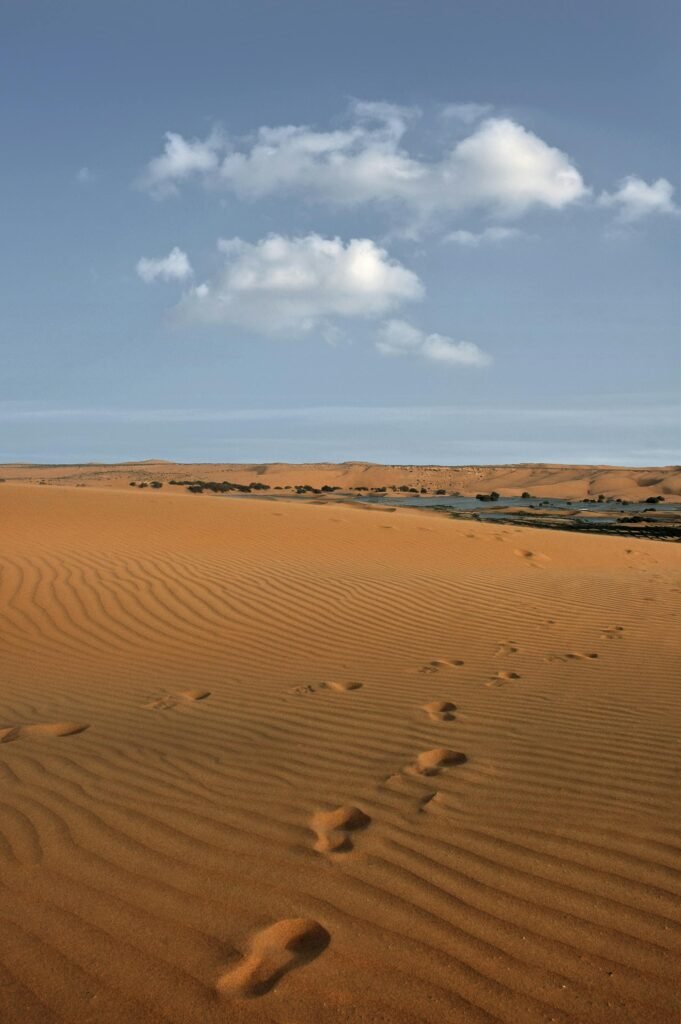
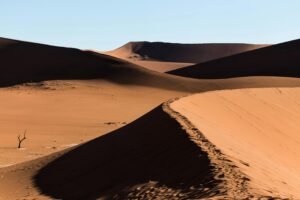
North Africa’s desert oases are a mesmerizing blend of natural beauty, rich history, and cultural authenticity. Unlike typical tourist destinations, these oases offer a rare escape into serene landscapes where lush palm groves, crystalline springs, and golden dunes coexist. What sets them apart is their ability to sustain life in the harshest of environments, creating pockets of paradise that have been vital to trade routes and nomadic tribes for centuries. From the dramatic landscapes of Morocco’s Zagora to the timeless charm of Tunisia’s Chebika, each oasis tells a story of resilience and harmony with nature.
Why These Oases Are Perfect for Adventurers
For adventurers, North Africa’s oases are a haven of exploration and discovery. Whether you’re hiking through rugged trails, camping under stars that light up the desert sky, or immersing yourself in local Berber culture, there’s no shortage of experiences to ignite your wanderlust. Budget travelers will appreciate the affordability of accommodations, while digital nomads can find quiet spots with surprisingly good internet connections for remote work. Families can enjoy the calm, child-friendly environments, and solo travelers will find a sense of peace and adventure in equal measure. These oases are not just destinations; they’re gateways to unforgettable memories, offering something for every type of explorer.
Top Desert Oases to Explore
Siwa Oasis, Egypt: A Timeless Escape
Nestled in the heart of the Egyptian Sahara, Siwa Oasis is a serene haven that feels worlds away from the bustling cities. Known for its lush date palms, crystal-clear springs, and the ancient ruins of the Oracle of Amun, Siwa offers a unique blend of history and natural beauty. For budget travelers, staying in eco-friendly lodges or traditional mud-brick guesthouses is both affordable and authentic. Don’t miss a dip in the famous Cleopatra’s Pool or a sunset hike to the Mountain of the Dead for panoramic views.
Tafilalet, Morocco: A Cultural and Natural Wonder
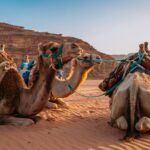
Located in southeastern Morocco, Tafilalet is the largest oasis in the country and a gateway to the Sahara. This region is famed for its cultural heritage, including the historic city of Rissani and the enchanting Merzouga dunes. Digital nomads will appreciate the quiet atmosphere and reliable internet in nearby towns. For adventurers, a guided camel trek or a night under the stars in a desert camp is a must. Budget-friendly street food like tagine and fresh dates will keep your expenses low.
Gabès, Tunisia: A Coastal Desert Gem
Unique among desert oases, Gabès lies on Tunisia’s Mediterranean coast, offering a rare combination of desert landscapes and seaside charm. The oasis here is lush and fertile, perfect for leisurely strolls or exploring the local markets. Families will enjoy the calm beaches and the nearby Matmata troglodyte dwellings, which inspired Star Wars’ Tatooine. For backpackers, Gabès is a budget-friendly stop with affordable accommodations and easy access to other Tunisian highlights.
Kufra Oasis, Libya: A Remote Adventure
For those seeking a truly off-the-beaten-path experience, Kufra Oasis in southeastern Libya is a remote gem. This isolated oasis is surrounded by vast desert expanses and is home to the stunning Al Jawf salt flats. Solo adventurers will find Kufra a peaceful retreat, though planning is essential due to its remoteness. Stay in local guesthouses to save money and immerse yourself in the hospitality of the Bedouin communities. Remember to bring all essentials, as amenities here are limited.
Budget-Friendly Travel Tips
How to Save on Transportation and Accommodation
Traveling on a budget doesn’t mean sacrificing comfort or convenience. Start by booking flights early and using fare comparison tools like Skyscanner or Google Flights to snag the best deals. Consider flying mid-week or during off-peak seasons when prices are lower. For accommodation, opt for hostels, guesthouses, or budget hotels that offer clean and safe stays without breaking the bank. Platforms like Airbnb and Booking.com often have affordable options, especially if you’re flexible with your dates. Don’t overlook public transportation—it’s not only cost-effective but also a great way to experience local life.
Affordable Dining and Local Cuisine Recommendations
One of the best ways to save money while traveling is by eating like a local. Street food is not only budget-friendly but also a delicious way to immerse yourself in the culture. Look for busy stalls or markets where locals eat—this is often a sign of quality and freshness. If you’re staying in a place with a kitchen, consider cooking your own meals using ingredients from local markets. For dining out, lunch menus are usually cheaper than dinner, so plan accordingly. Don’t forget to ask locals for their favorite spots—they’ll often point you to hidden gems that aren’t in the guidebooks.
Money-Saving Tips for Every Traveler
- Travel off-season: Flights and accommodations are significantly cheaper, and you’ll avoid the crowds.
- Use travel rewards and loyalty programs: Accumulate points for flights, hotels, and even dining.
- Pack light: Avoid extra baggage fees and make it easier to move around.
- Take advantage of free activities: Many cities offer free walking tours, museums, and cultural events.
- Stay connected affordably: Use local SIM cards or portable Wi-Fi devices instead of expensive roaming plans.
Practical Tips for Adventurers
Essential Gear for Desert Exploration
Exploring the desert is an unforgettable adventure, but it requires the right gear to stay safe and comfortable. Here’s a checklist of essentials:
- Hydration System: A durable water bottle or hydration bladder is non-negotiable. Aim for at least 3 liters per day.
- Sun Protection: Pack a wide-brimmed hat, UV-protective sunglasses, and high-SPF sunscreen to shield yourself from the intense sun.
- Layered Clothing: Opt for lightweight, breathable fabrics during the day and warmer layers for chilly desert nights.
- Sturdy Footwear: Closed-toe hiking boots with good ankle support are a must for navigating rocky or sandy terrain.
- Navigation Tools: A reliable GPS device, compass, and physical map are essential, as cell service is often unreliable.
- First Aid Kit: Include basics like bandages, antiseptic, and any personal medications.
Safety Tips for Solo and Group Travelers
Whether you’re venturing into the desert alone or with a group, safety should always be your top priority. Here are some practical tips:
- Plan Ahead: Research your route, weather conditions, and local regulations. Share your itinerary with someone you trust.
- Stay Hydrated: Drink water regularly, even if you don’t feel thirsty. Dehydration can sneak up quickly in the desert.
- Travel During Cooler Hours: Avoid the midday heat by starting your journey early in the morning or late in the afternoon.
- Be Wildlife Aware: Familiarize yourself with local wildlife and know how to respond if you encounter snakes, scorpions, or other creatures.
- Group Dynamics: If traveling in a group, establish clear communication and assign roles like navigator or first aid responder.
- Emergency Preparedness: Carry a whistle, flashlight, and emergency blanket. Know the location of the nearest medical facilities.
Budget-Friendly Gear Tips
Desert exploration doesn’t have to break the bank. Here’s how to gear up on a budget:
- Rent or Borrow: Consider renting high-cost items like GPS devices or specialized camping gear.
- Shop Secondhand: Check online marketplaces or local outdoor gear shops for gently used equipment.
- DIY Solutions: Repurpose items you already own, like using a bandana as a sun shield or a reusable water bottle as a makeshift hot water bottle at night.
Combining Work and Travel for Digital Nomads
Remote Work-Friendly Oases with Good Internet
For digital nomads, finding the perfect balance between adventure and productivity is key. North Africa’s desert oases offer a surprisingly reliable mix of good internet connectivity and serene landscapes. Siwa Oasis in Egypt, for example, has become a hotspot for remote workers seeking tranquility without sacrificing productivity. Many accommodations now cater to digital nomads, offering high-speed Wi-Fi and dedicated workspaces.
Other noteworthy options include:
- Tozeur, Tunisia – Known for its palm groves and affordable stays with reliable internet.
- Merzouga, Morocco – Offers unique desert lodges with modern amenities for remote work.
- Ghardaïa, Algeria – A cultural gem with growing infrastructure for digital nomads.
When choosing your oasis, always check reviews or reach out to accommodations to confirm internet speed and workspace availability. A little research goes a long way in ensuring a seamless work-travel experience.
Balancing Adventure and Productivity
One of the biggest challenges for digital nomads is blending work with the thrill of exploration. Here are some practical tips to make the most of your time in these desert paradises:
- Set a schedule – Dedicate specific hours to work and others to adventure. Early mornings are perfect for exploring, while afternoons can be reserved for productivity.
- Choose multi-day stays – Opt for longer stays in one location to avoid constant packing and unpacking. This gives you time to work and immerse yourself in local culture.
- Leverage local culture breaks – Use breaks to visit nearby markets, hike sand dunes, or enjoy a traditional tea. These short respites can boost creativity and focus.
Many oases also offer unique activities like camel treks, stargazing, or cooking classes. Pro tip: Plan these activities for your downtime to keep your work-life balance intact.
Budget-Friendly Tips for Digital Nomads
Traveling on a budget doesn’t mean sacrificing comfort or productivity. Here’s how to make the most of your trip without breaking the bank:
- Book in advance – Secure accommodations with long-term stay discounts and shared workspaces.
- Use coworking spaces – Some oases are introducing coworking hubs, which are often cheaper than renting private rooms with Wi-Fi.
- Eat local – Embrace street food and traditional meals, which are not only affordable but also a cultural experience.
By choosing the right oasis and planning strategically, you can enjoy the best of both worlds—productive workdays and unforgettable adventures.
Family-Friendly Oases
Traveling with kids? North Africa’s desert oases offer a unique blend of adventure and tranquility, making them perfect for families. From safe activities to comfortable accommodations, these destinations ensure everyone has a memorable experience.
Safe and Fun Activities for Kids
When exploring desert oases with little ones, safety and enjoyment go hand in hand. Here are some activities that are both kid-friendly and exciting:
- Camel rides: A gentle ride through the dunes is a must-do. Many operators provide secure saddles and guides to ensure safety.
- Sandboarding: Older kids will love sliding down the sandy slopes. It’s like snowboarding but with warmer weather!
- Stargazing: The clear desert skies are perfect for teaching kids about constellations. Bring a telescope or join a guided astronomy tour.
- Oasis walks: Explore palm groves and natural springs, where kids can splash in shallow waters and learn about local flora and fauna.
Family Accommodation Options
Finding the right place to stay is key to a stress-free family trip. Here are some budget-friendly and family-oriented options:
- Desert camps: Many camps offer family tents with extra space and basic amenities. Some even have private bathrooms and kids’ activity areas.
- Guesthouses: Local guesthouses often provide cozy, affordable rooms and homemade meals, giving families a taste of authentic hospitality.
- Eco-lodges: These accommodations are perfect for eco-conscious families, offering sustainable stays with activities like guided nature walks.
- Hotels with pools: After a day of exploring, a refreshing dip in the pool is a hit with kids and parents alike.
When booking accommodations, always check for family-friendly features like cribs, high chairs, and play areas. Many places also offer discounts for children, making your stay even more affordable.
Tips for a Smooth Family Adventure
Traveling with kids requires a bit of extra planning. Here are some practical tips to keep in mind:
- Pack wisely: Bring sunscreen, hats, and reusable water bottles to protect your family from the desert heat.
- Plan breaks: Kids can tire easily, so schedule downtime between activities.
- Engage with locals: Many oases have family-run businesses that welcome kids and can share stories about the area.
- Check travel times: Oases can be remote, so plan your journey to avoid long, tiring drives with little ones.
Eco-Friendly Travel Practices
Traveling sustainably isn’t just a trend—it’s a responsibility. As adventurers, we have the power to protect the environments we explore and support the communities we visit. Here’s how you can minimize your environmental impact while still enjoying unforgettable experiences in North Africa’s desert oases and beyond.
How to Minimize Your Environmental Impact
Travel Light: Packing smart not only saves you stress but also reduces fuel consumption on flights and transportation. Stick to essentials and avoid single-use plastics by carrying reusable water bottles, utensils, and cloth bags.
Choose Eco-Friendly Accommodations: Look for lodges, camps, or hotels that prioritize sustainability. Many desert oases in North Africa offer eco-lodges that use solar power, recycle waste, and conserve water—perfect for conscious travelers.
Respect Nature: Stick to marked trails when hiking or exploring to avoid damaging fragile ecosystems. Avoid disturbing wildlife, and never leave trash behind. Remember, even small actions like picking up litter make a big difference.
Supporting Local Communities and Sustainable Tourism
Shop Local: When visiting markets or villages, buy directly from local artisans and vendors. This not only supports their livelihoods but also helps preserve traditional crafts and culture.
Choose Local Guides: Hiring local guides not only enriches your experience with authentic insights but also ensures your money stays within the community. Many desert oases offer tours led by knowledgeable locals who can share the region’s history and traditions.
Eat Local: Enjoying regional cuisine at family-owned restaurants or street food stalls is not only delicious but also reduces the carbon footprint associated with imported ingredients.
Volunteer Responsibly: If you’re considering volunteering, research organizations that align with sustainable practices and genuinely benefit the community. Avoid programs that exploit local resources or people.
FAQ: Eco-Friendly Travel Practices
- Q: How can I reduce my carbon footprint while flying?
A: Opt for direct flights, pack light, and consider carbon offset programs. Many airlines now offer options to offset your flight’s emissions. - Q: Are there eco-friendly accommodations in North Africa’s desert oases?
A: Yes! Many lodges and camps in places like Morocco’s Merzouga or Tunisia’s Tozeur focus on sustainability, using renewable energy and local materials. - Q: How can I support local communities without overspending?
A: Small gestures like buying souvenirs, dining at local eateries, or hiring local guides can make a big impact without breaking the budget.
By adopting these eco-friendly practices, you’ll not only protect the stunning landscapes of North Africa but also create meaningful connections with the people and cultures you encounter. Traveling sustainably is a win-win—for you, the planet, and the communities you visit.

About Grace Castle
Grace Castle, 29, is a passionate traveler and digital nomad who turned her love for exploring the world into a career. With years of experience traveling across different countries, she has mastered the art of smart travel planning, working remotely while discovering new destinations.
An expert in budget travel, local culture, and remote work, Grace shares valuable tips for those looking to travel more while spending less. Her mission is to help fellow travelers explore the world with ease, safety, and authentic experiences.
When she’s not writing about her adventures, Grace can be found discovering cozy cafés, learning new languages, or planning her next trip.